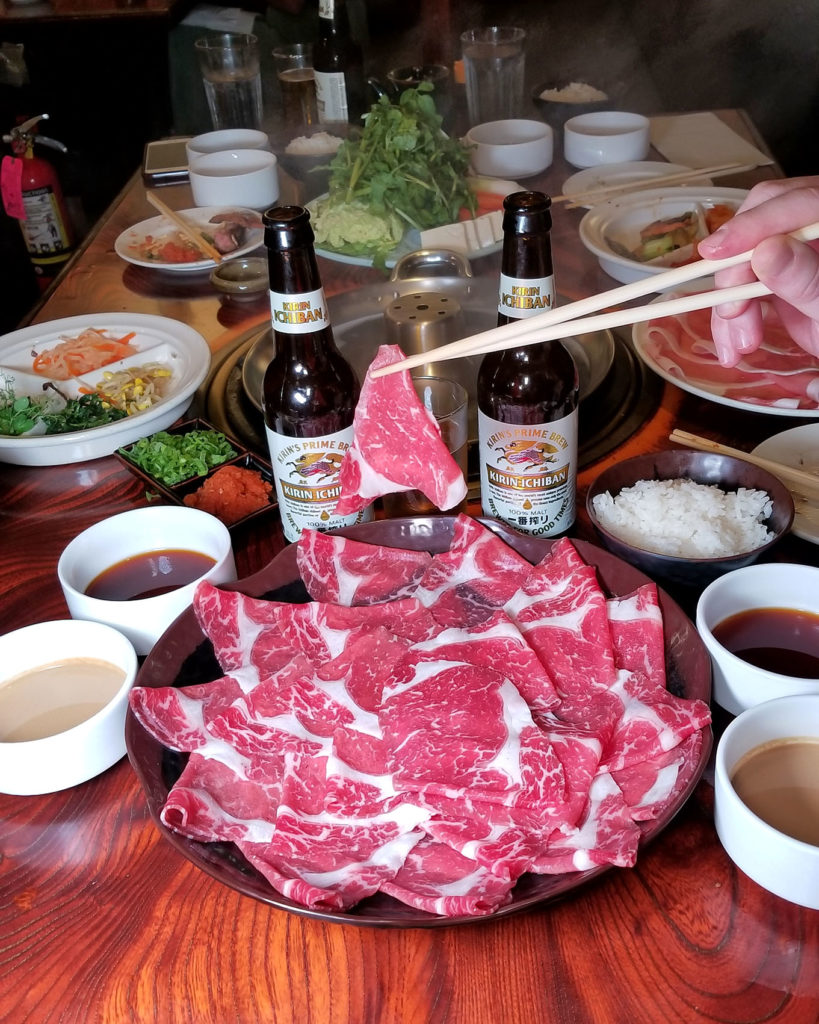
Shabu Tatsu is a Japanese shabu shabu (hot pot) and yakiniku (grilling) restaurant in the East Village. They offer up a variety of really great thinly sliced meats to sear up on the butter-basted skillet, or dip into their kombu and vegetable broth for a quick cook.
Some friends of mine brought me along on their dinner where they were meant to feature Kirin beer with the food, in hopes to promote Japanese cuisine and tourism with an Instagram contest. Here’s what we had:
YAKINIKU
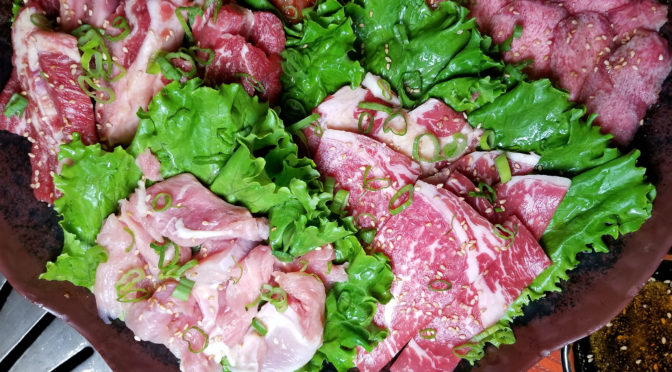
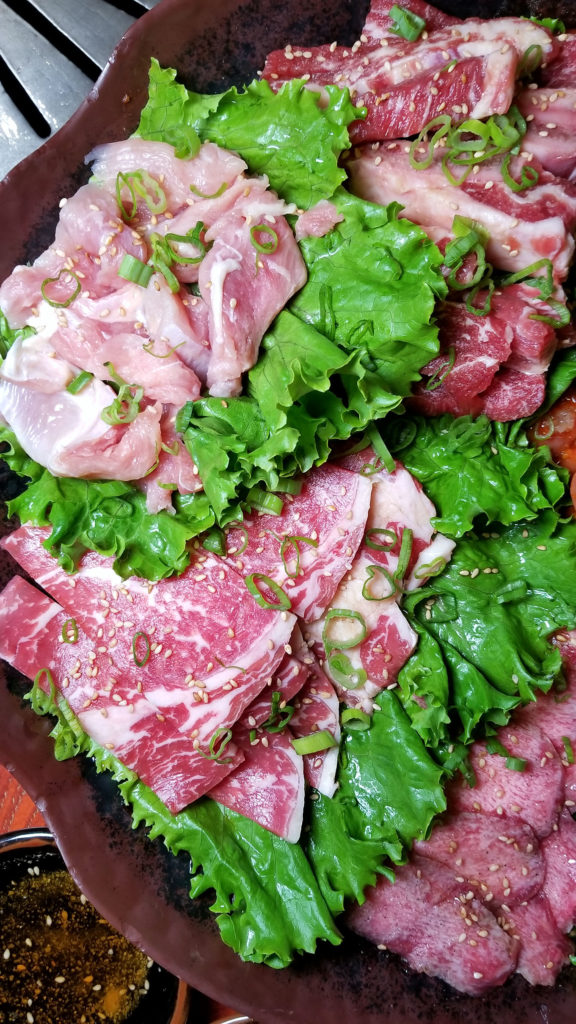
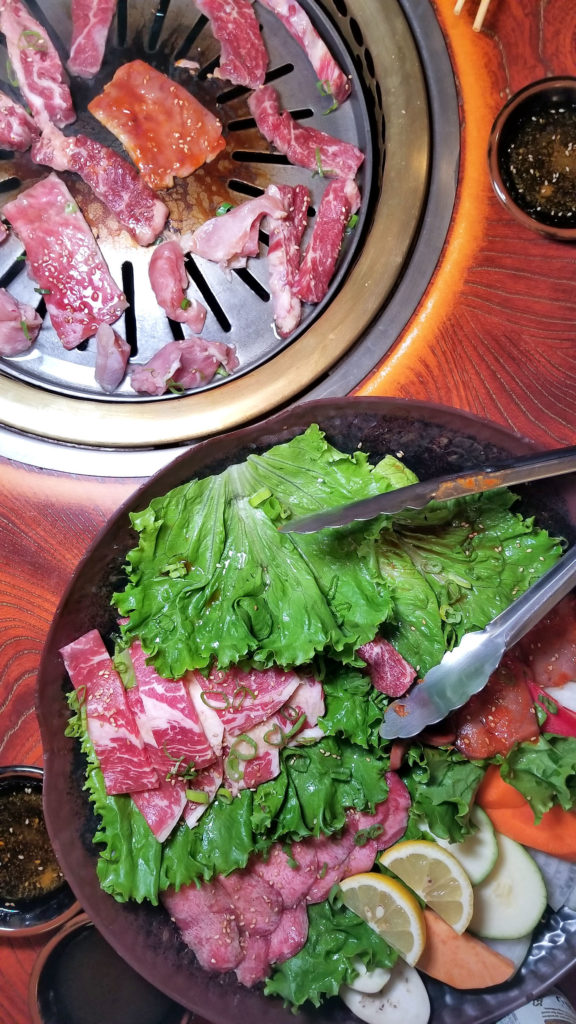
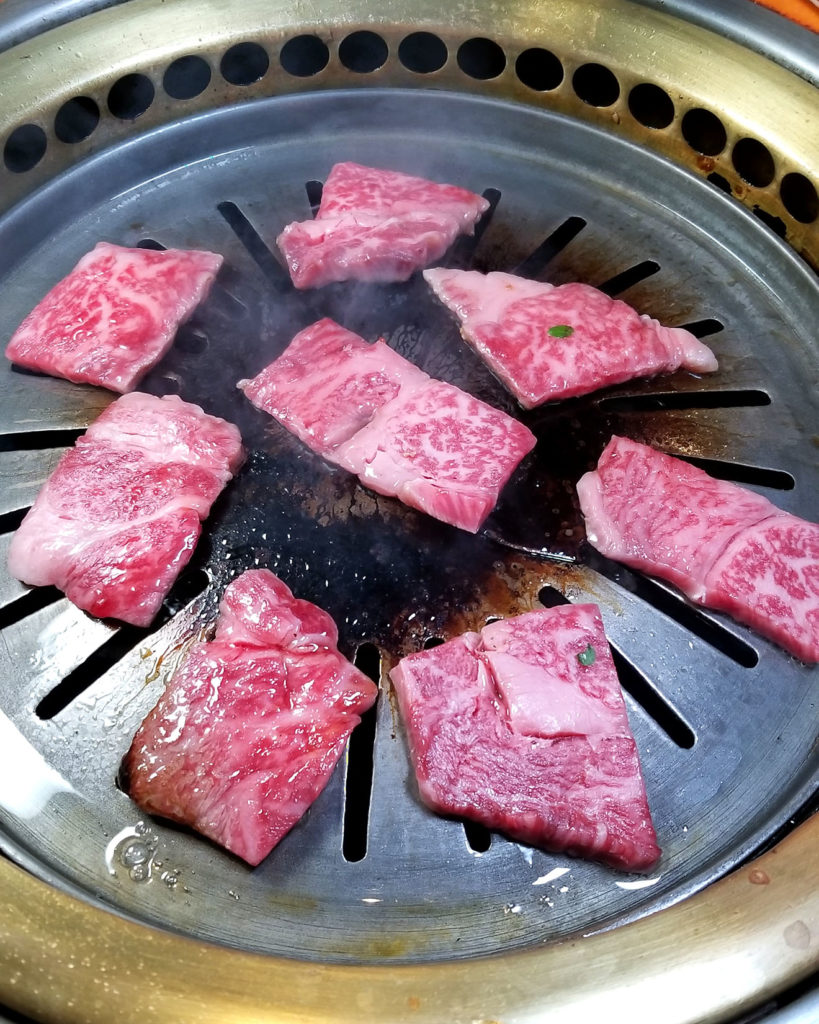
Their mixed platter of meats for grilling contained beef tongue, liver, short rib, and rib eye, as well as pork.
The beef tongue was probably my favorite. These babies cook up quick since they’re thin, so you just want to get a good sear on them for color and flavor.
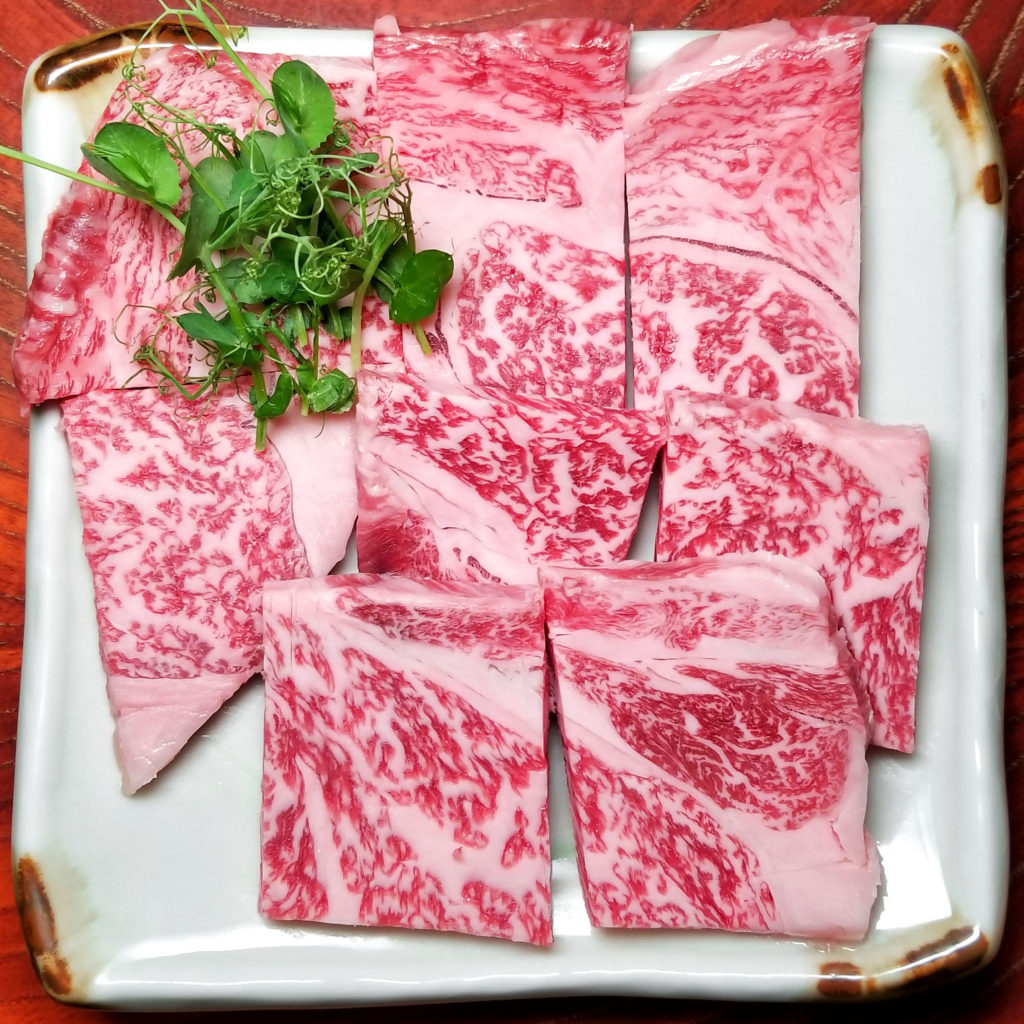
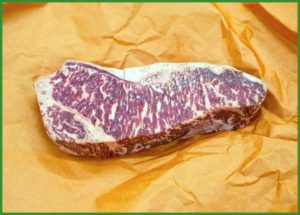
We also grilled off some wagyu rib eye. This stuff was so highly marbled and decadent.
SHABU SHABU
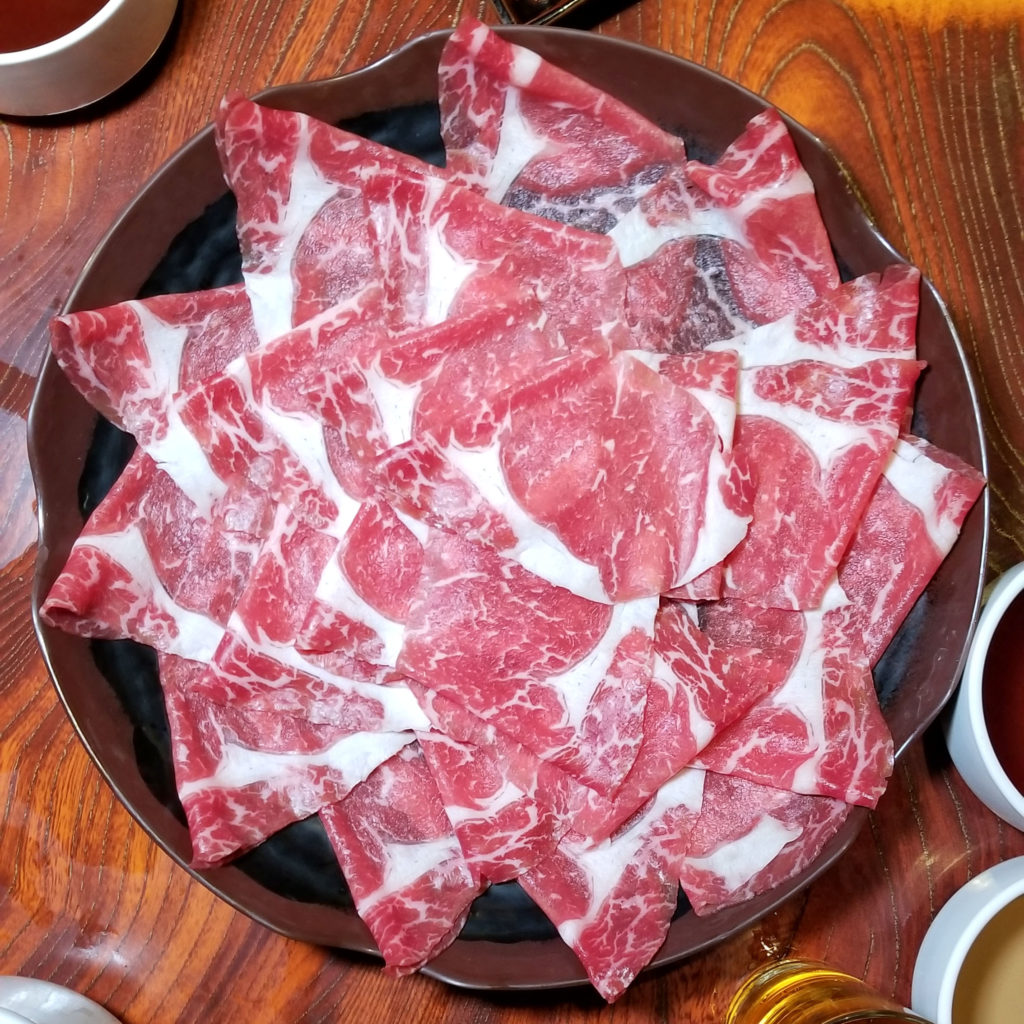
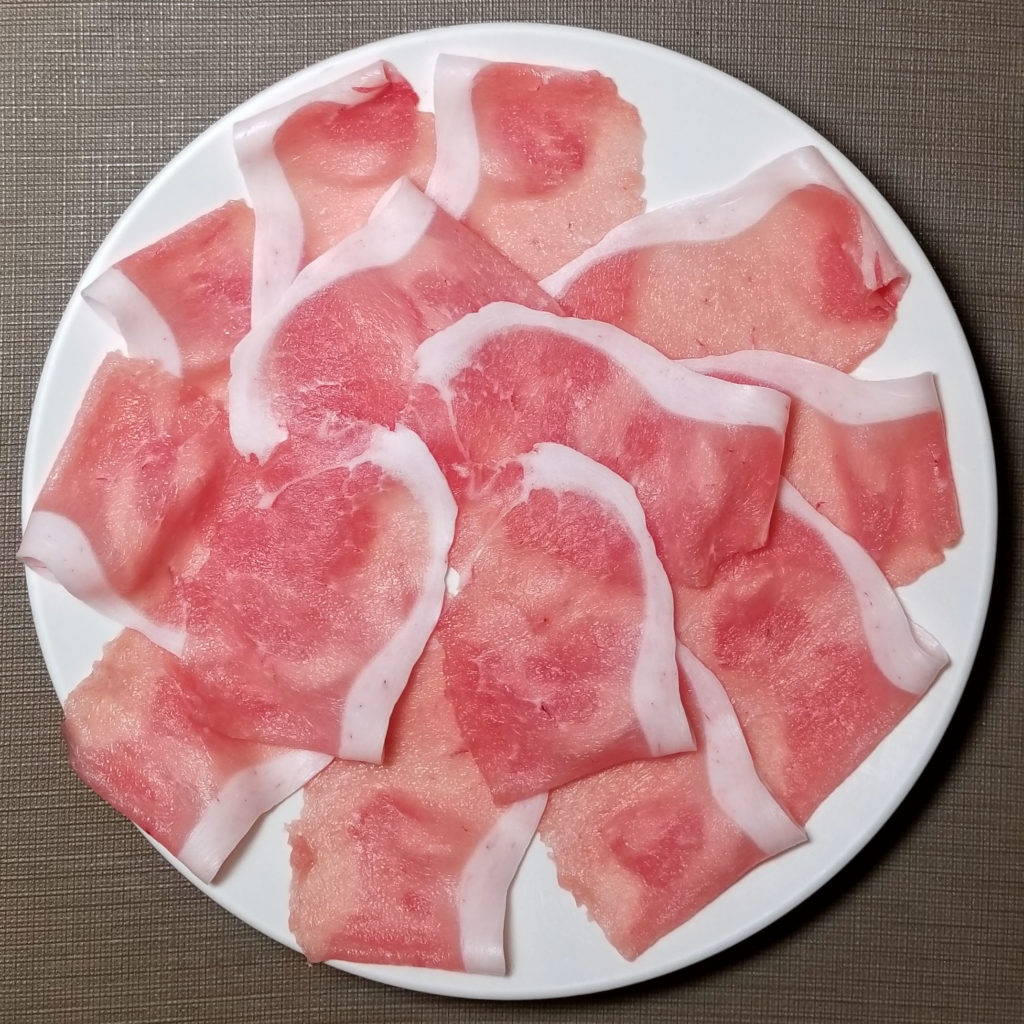
For the hot pot portion of the meal, we had some nice thinly sliced beef rib eye and pork loin.
I still prefer Chinese hot pot over this style, because the broth flavors are more robust and powerful. This broth was mainly water with a small kombu leaf in it, and then you load up some veggies in there as well. It’s still really good, just a preference for me.
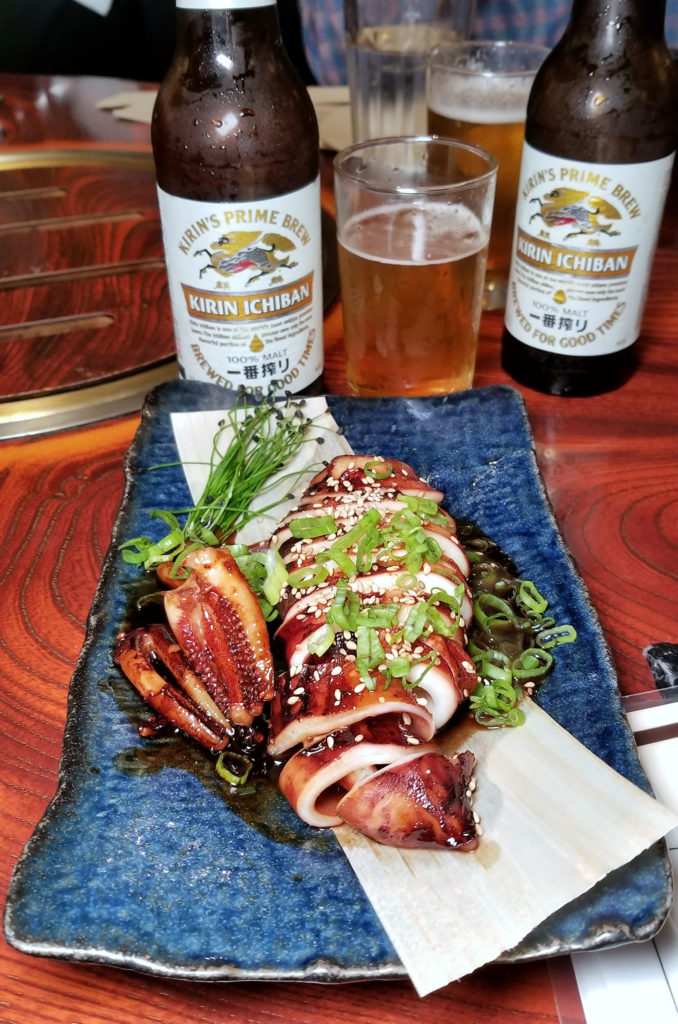
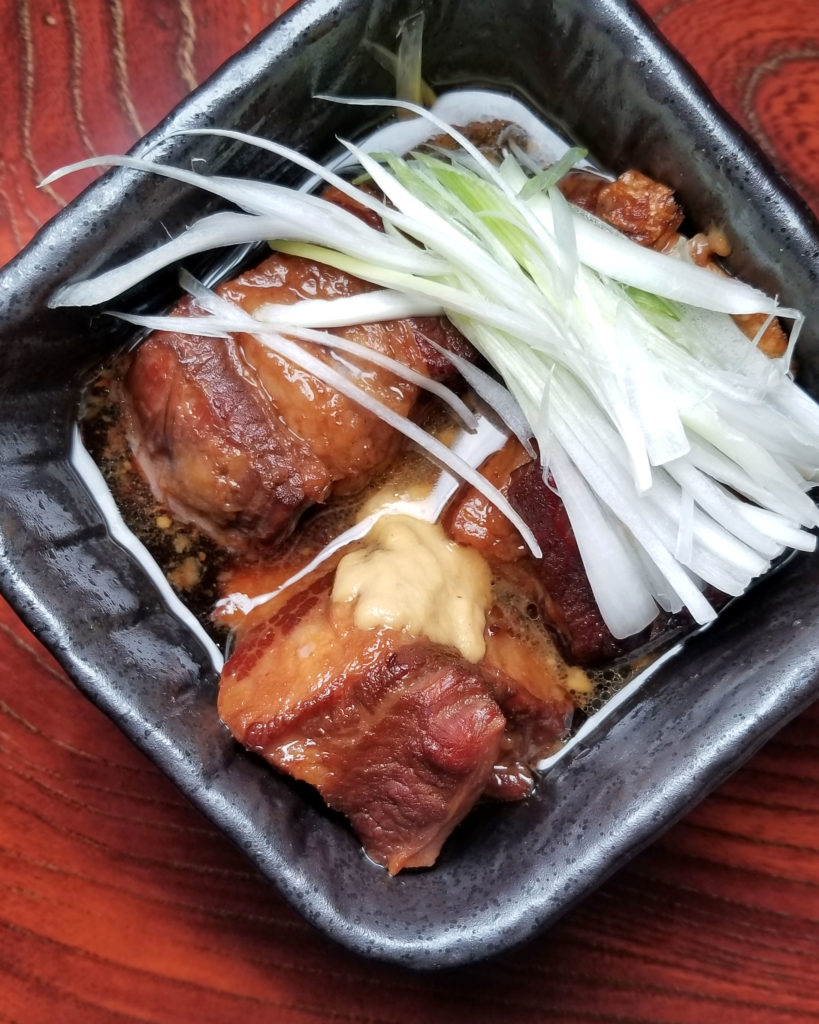
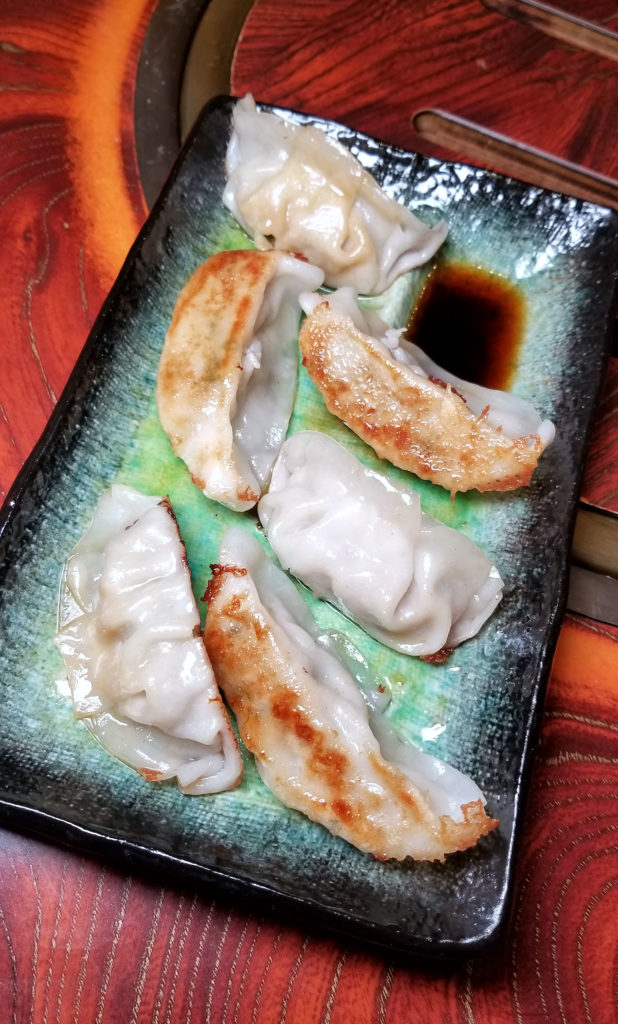
The best part of the meal, however, was the starter course! We tried three apps: grilled squid, braised pork belly and dumplings.
The pork belly was incredible. It was cooked in a thick citrus sauce and had a great kick from the spicy mustard on top. I highly recommend that dish.
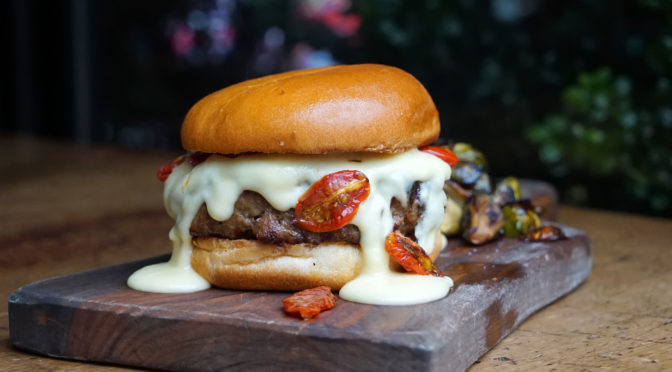
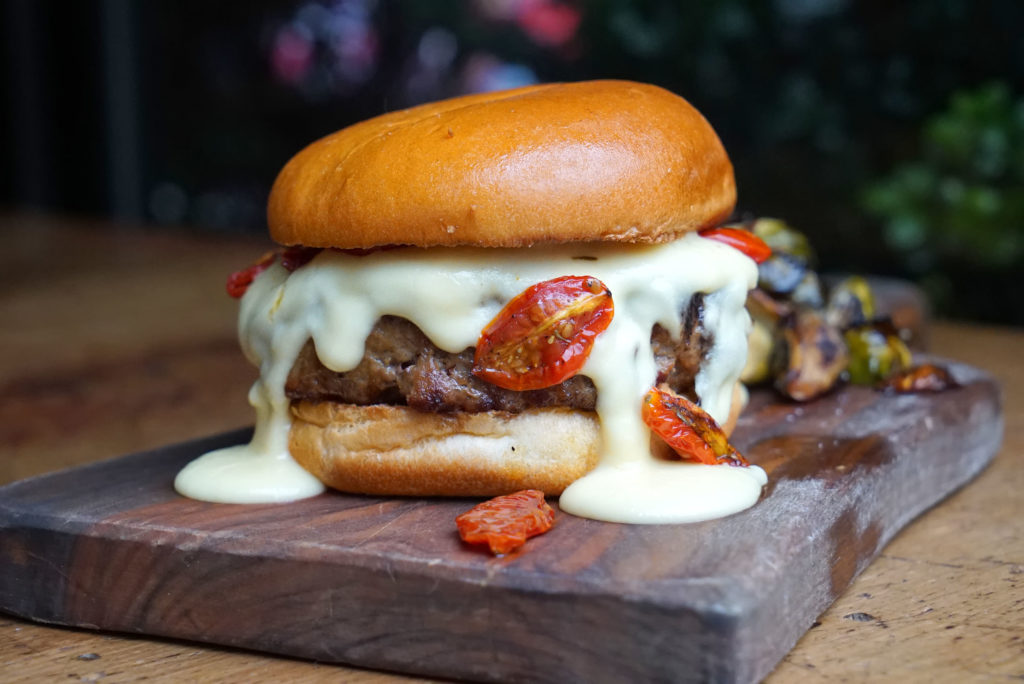
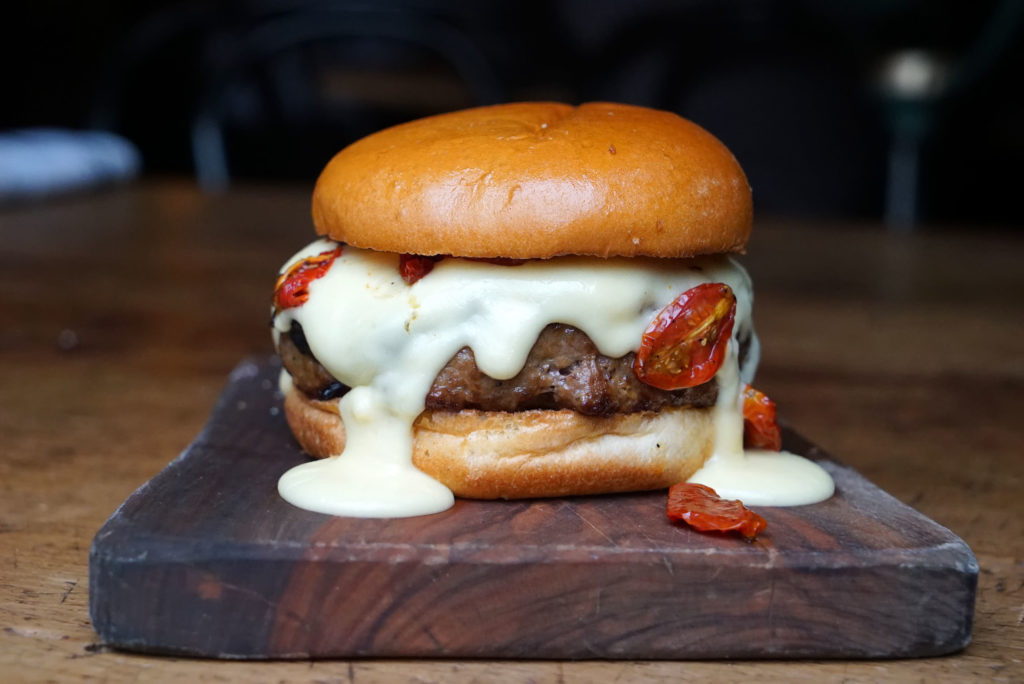
This joint has been getting a lot of love on Instagram ever since my buddies from the Gotham Burger Social Club rated The Suprema Burger as their best, awarding it 9.3 out of 10 points.
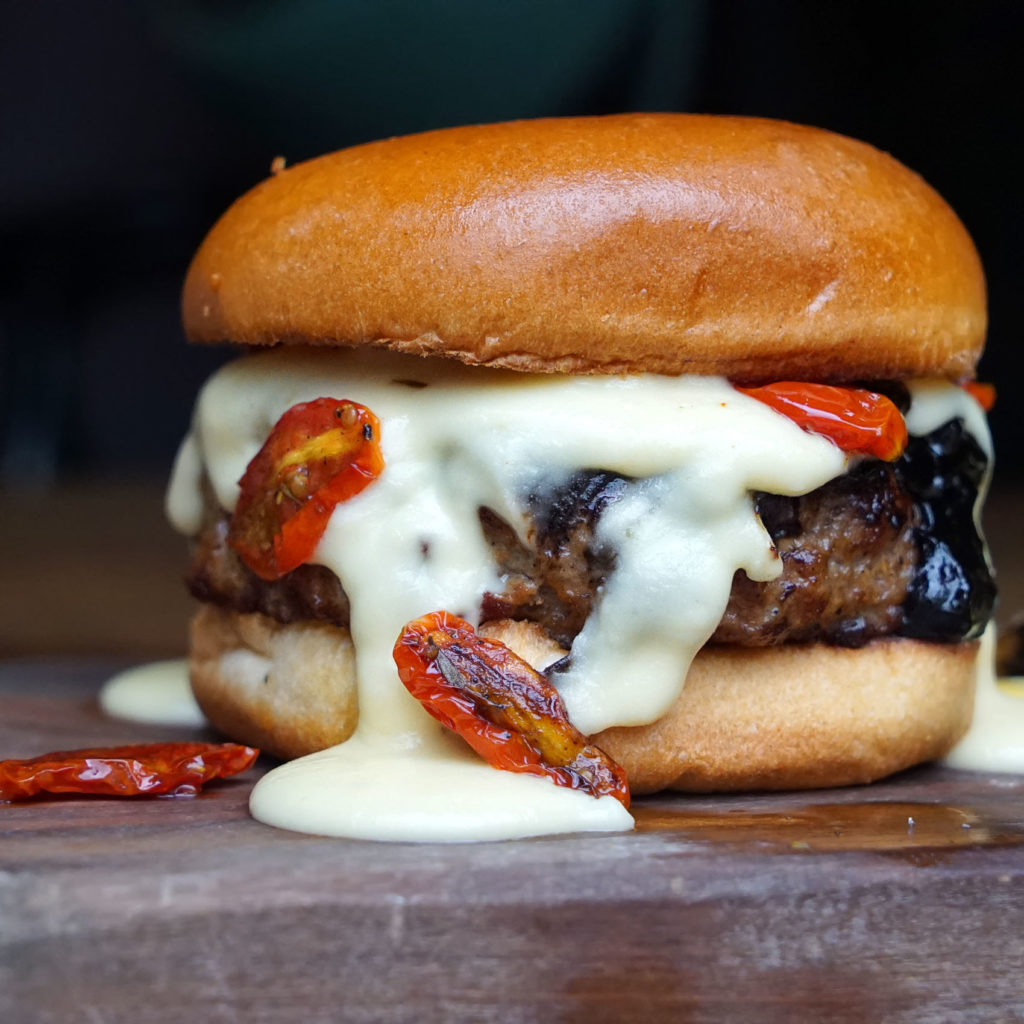
So what makes this burger so good? Perhaps it’s the iberico jam, the black garlic sauce, or the aged cheddar cheese sauce. Maybe it’s the perfectly cooked patty, or the roasted grape tomatoes on top. Whatever it is, it’s the perfect union of flavors. And, I mean, come on… look at this fucking thing.
Everything about it just works.
My readers know me, though: I always want a crunch element, and that’s the only thing that was missing in my eyes. But this is nearly perfect, and definitely has a spot on my top five list for restaurant burgers.
Interesting quirk: the burger comes with roasted Brussels sprouts rather than French fries. I didn’t see any fries on the menu, but they’re not very popular in Italian cuisine anyway. Perhaps some fried polenta would satisfy the starch pairing/craving for this burger though. In any case, this burger kicks a whole lot of ass.
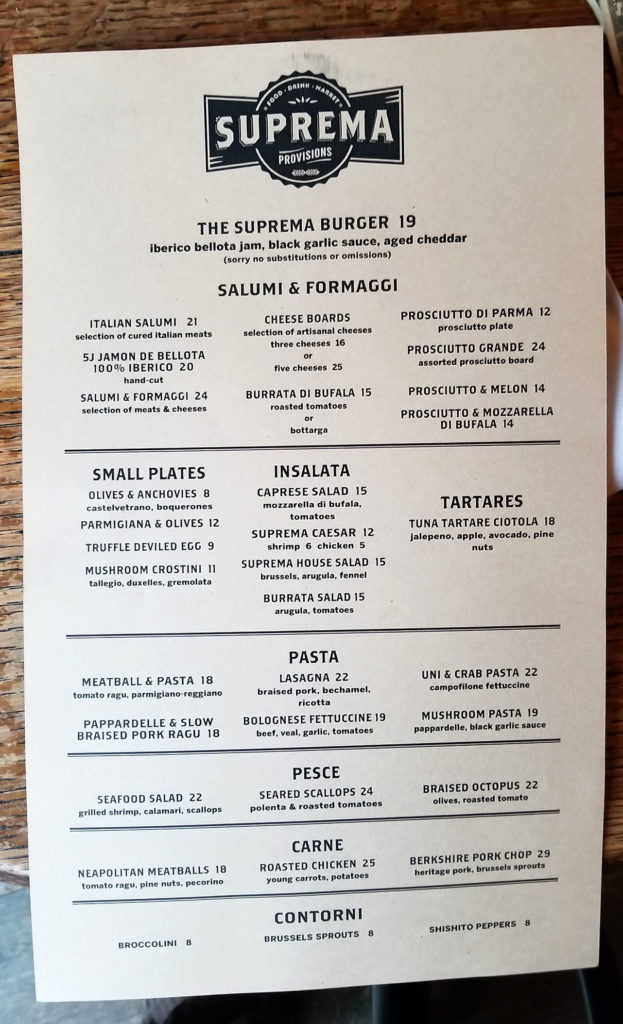
But the burger isn’t the only thing that kicks ass at Suprema. Check out this menu and see what items cause your undies to bulge.
We tried a bunch of shit when we went, in order to help promote for the restaurant. Cheers to that.
Realistically though, ever since Gotham Burger Social Club posted their review, the restaurant has seen a big influx of customers. They’re doing just great without my pictures. But here we go…
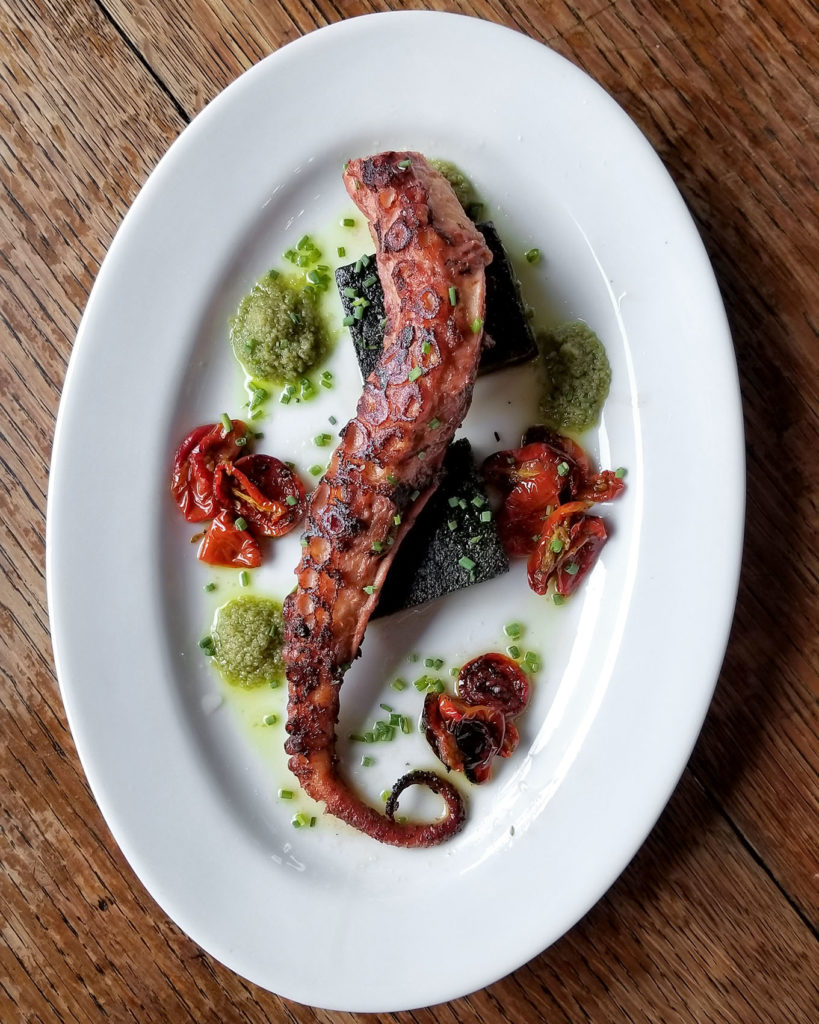
Braised Octopus
This had a great green olive tapenade and more of those delicious roasted grape tomatoes. The octo itself was super tender, crispy, meaty. On the bottom is a pair of black crispy fried polenta squares. Perhaps they’re colored with squid or octo ink, or maybe even the black garlic that we saw in the burger. Either way – tasty.
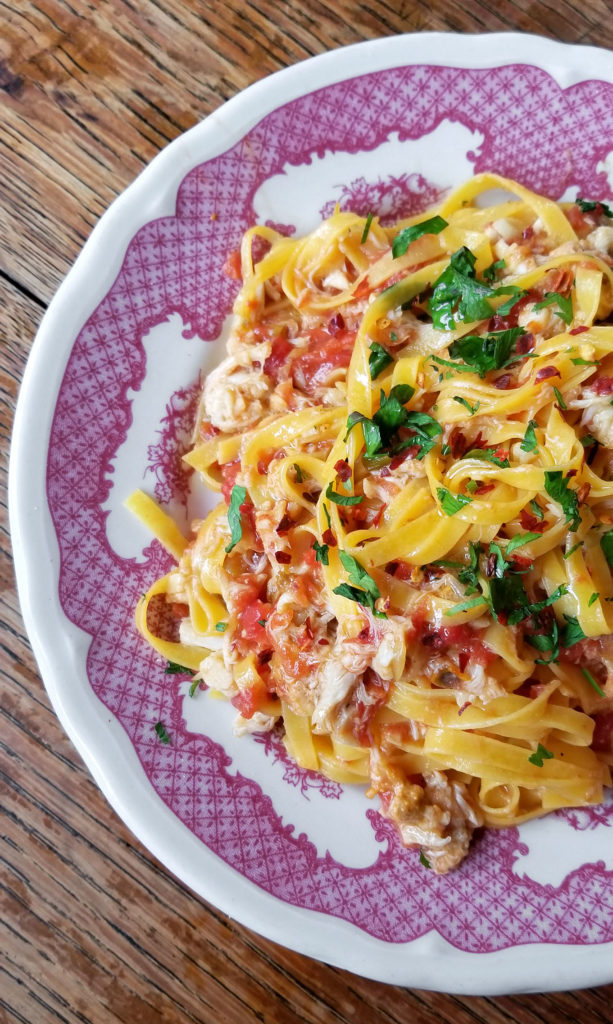
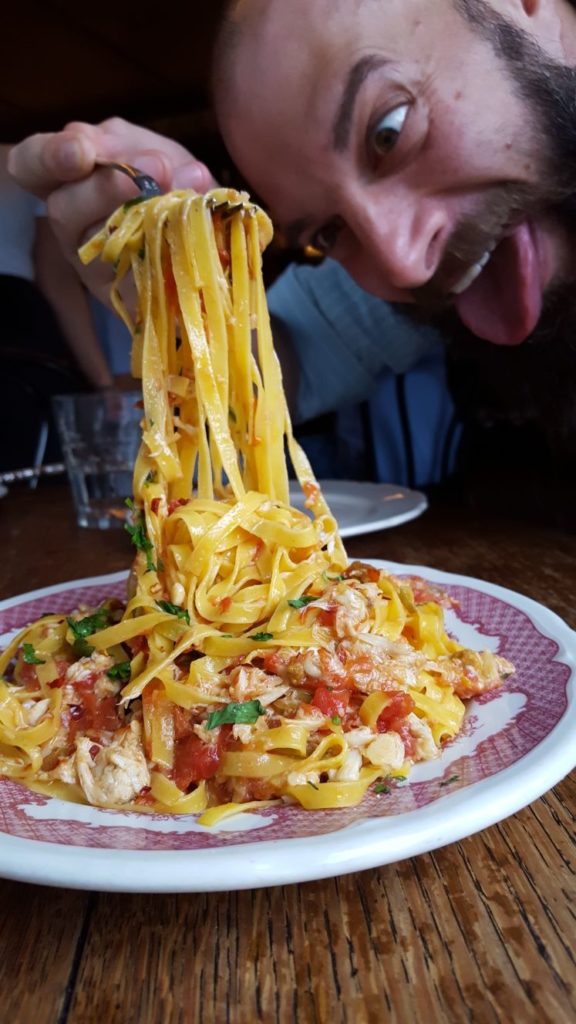
Crab & Uni Fettuccine
This was my least favorite of the night. But since it was still a good dish, that’s not a knock in the slightest. For my taste, it was a bit fishy (likely from the warm uni) and lacked a bit of salt. The crab was excellent, however, and the pasta was perfectly cooked.
Photo Credit: Mike Puma of Gotham Burger Social Club
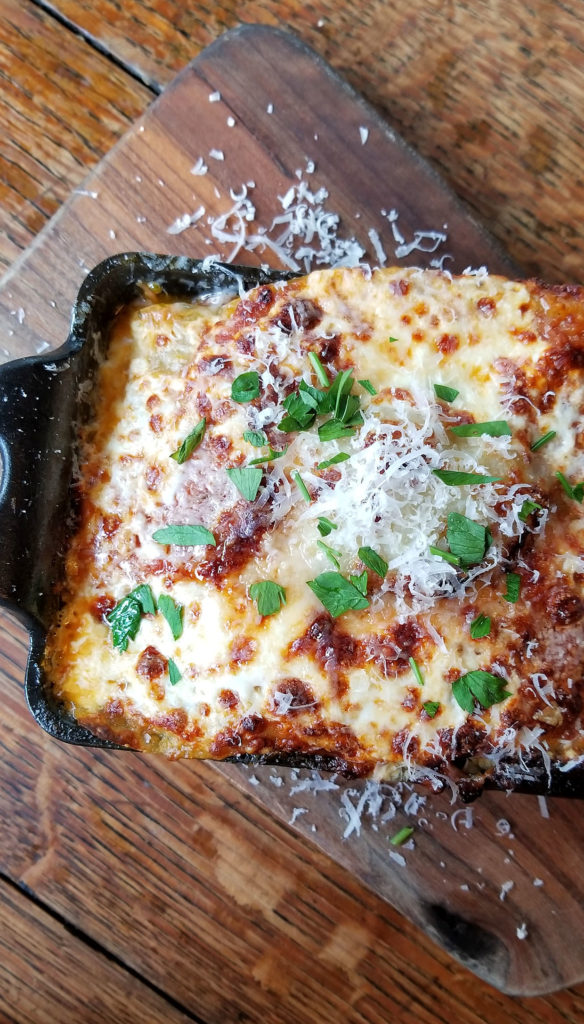
Lasagna
Braised pork, bechamel sauce and ricotta are layered into this shit, and everything is baked into individual cast iron dish-pans. The very bottom was a bit watery and didn’t “set” properly, but that’s nothing a few minutes of waiting will cure before diving in. We savaged the fuck out of this very quickly. Excellent dish.
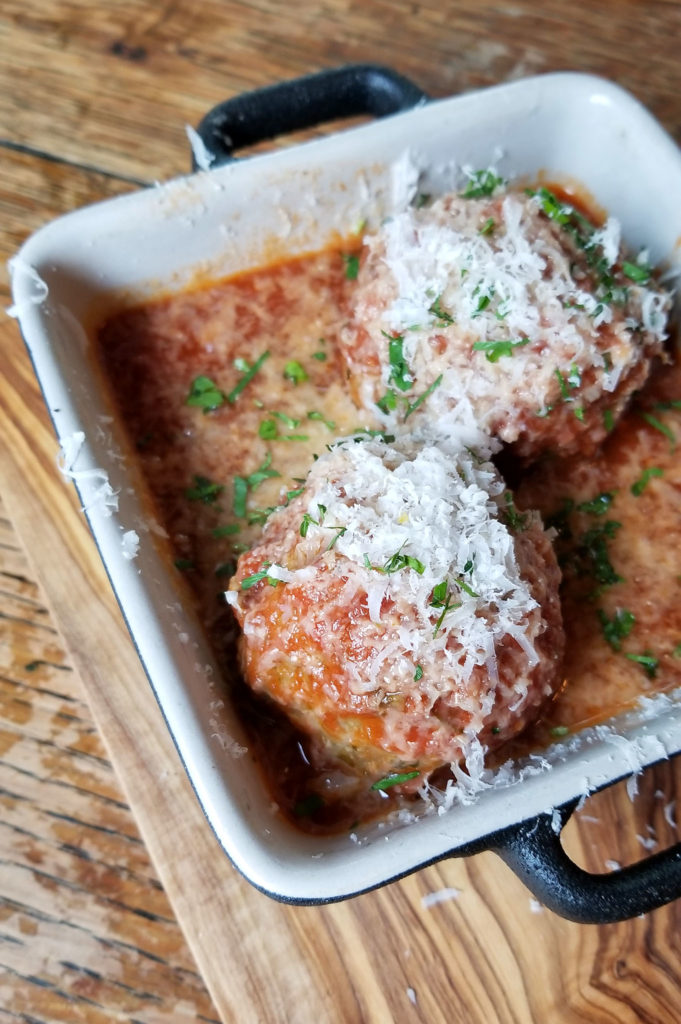
Meatballs
These are pretty great, and I’m a harsh critic when it comes to meatballs. It’s tough to beat mom’s. Firm, but not hard. Tender, but not mushy. Rich with flavor and properly cooked. A little bit of crusty sesame Italian bread to sop up the delicious sauce here, and you Paisans out there are all set.
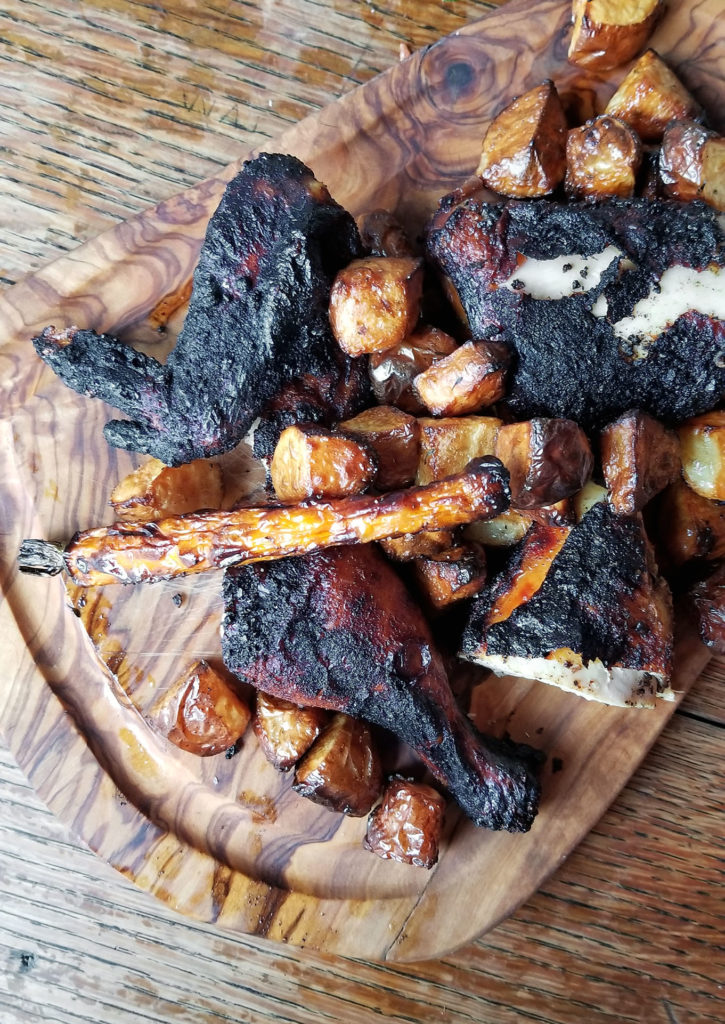
Roasted Chicken
Most people like me would cringe at the idea of ordering chicken at a restaurant when there is clearly a pork or beef option available, as well as shitloads of salumi. But I, and those like me, would be missing out at Suprema if we ignored the chicken. This shit was fantastic. It’s brined for many hours, so the flavor penetrates deep to the bone. Not only is the flavor good, but the meat is juicy and tender – like Kim Kardashian’s ass cheeks, only less fatty. The skin is rubbed with a spice mix and roasted to a delicious crisp. Even the tit meat is on point, and not even one bite was dry. This fucking dish is mint.
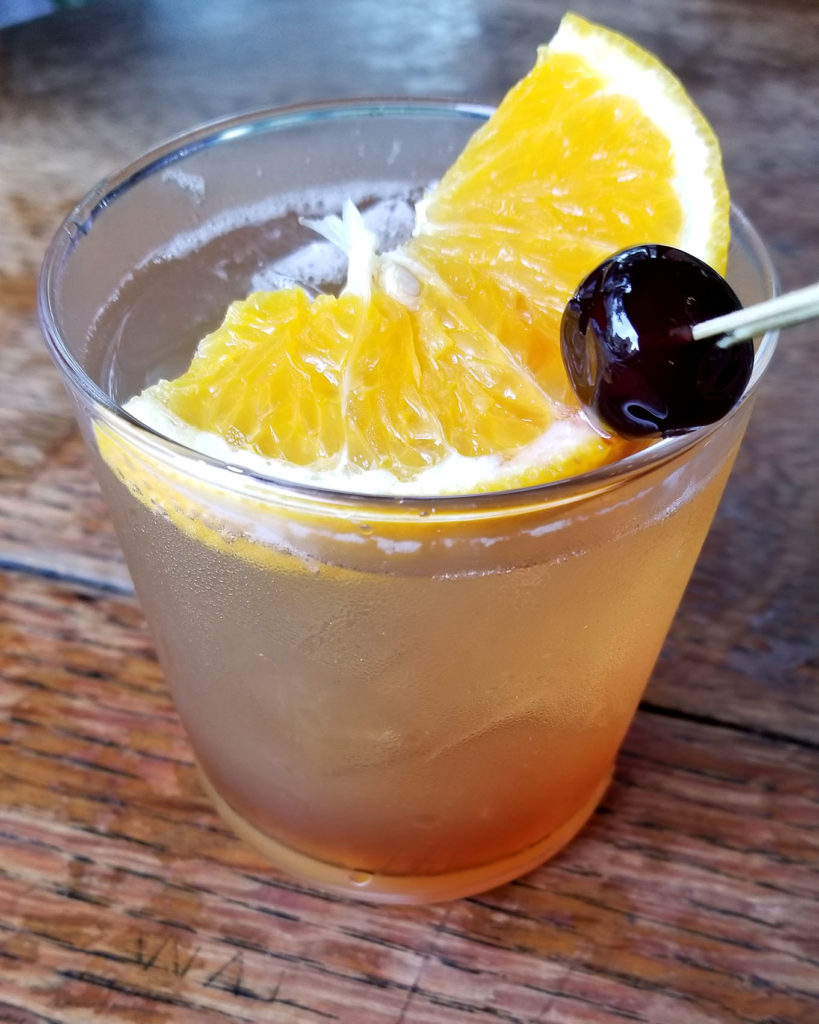
This joint reminds me a lot of the salumeria spots in Italy that I loved so much. I’m sure I will be here a lot in the weeks to come, taking advantage of the delicious Summer cocktails they mix up, and enjoying the open air but shaded tables along 7th avenue in the West Village.
In summary, get the fuck over to this place as quickly as you can. Go. Don’t be an asshole.
SUPREMA PROVISIONS
305 Bleecker St
New York, NY 10014
I don’t really review supermarkets, but every so often I feel the need to pipe up about something that bothers me. And don’t be alarmed, I WILL say some good things too, but let me get to the bad shit first.
I don’t know if its’ some new fucking food waste trend, or if it’s just the shitty condition of Manhattan grocery stores in general, but the produce at these two supermarkets have royally sucked lately. Every time I go to the Columbus Circle, 9th Avenue and 57th Street locations of these joints, the greens, veggies and produce are half rotten. And Columbus Circle is supposed to be THE FLAGSHIP Whole Foods location, from what I understand.
I can’t even remember how many times I’ve picked up a head of broccoli only to have the stems bend like rubber under its own weight. I’ve purchased a head of lettuce for $3 or $4 and had to throw half of it out because it was turning fucking brown.
Yes, yes. None of us like to waste food. I know all about “ugly food” initiatives, and I support them. Why toss it if you can sell it, or give it to someone who is hungry?
But this garbage should be discounted if the condition is going to always be shitty. In Manhattan, this crap is double the price of the suburbs. We are getting raped here.
Part of the reason, I’m convinced, is because of those dumb fucking sprinkler systems that spray water on the produce every minute. Dumb. It just asks for rot to form on the food. The other reason, maybe more specific to Manhattan, is the heat in Summer, slow delivery times due to traffic, and poor refrigeration. Either way I’m not happy about it.
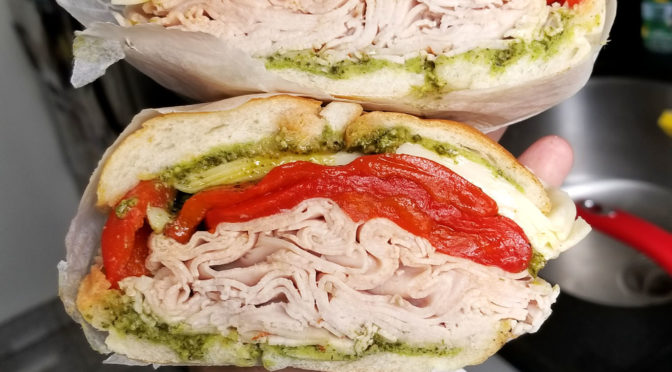
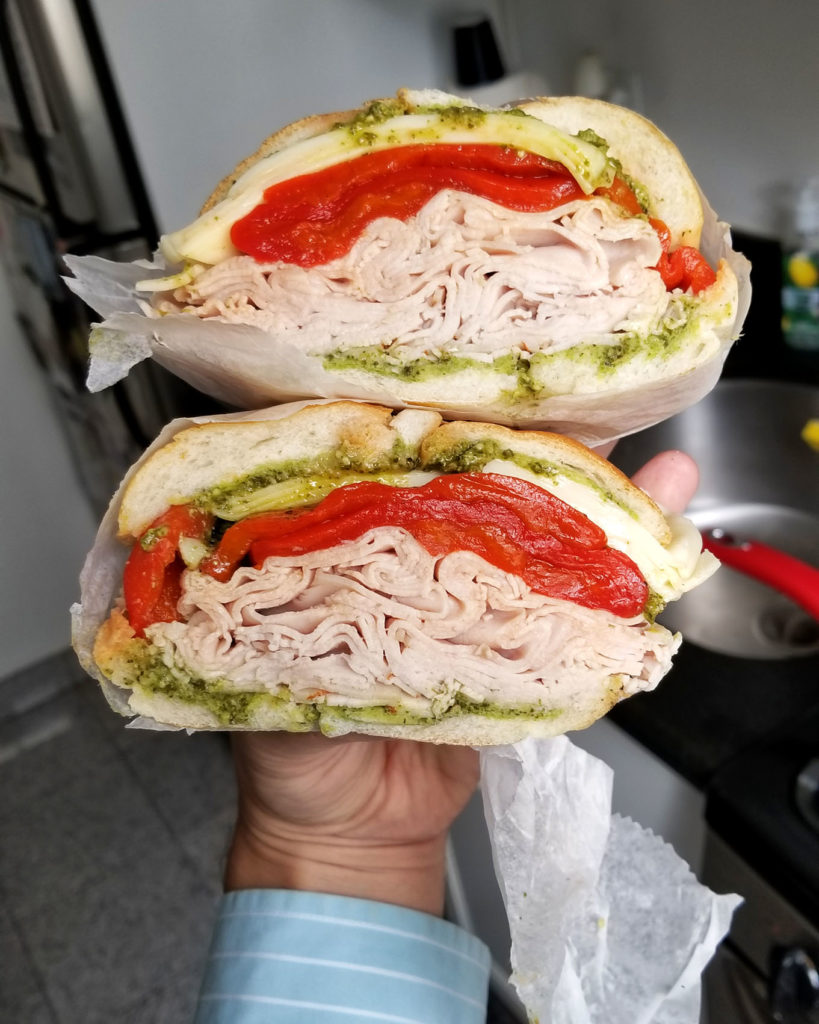
On the other hand, Whole foods has an awesome deli and fresh pre-prepared food area, along with a kick ass bakery, beer selection and olive bar. Morton Williams has a nice deli too. I picked up this sandwich the other day and really enjoyed it: smoked turkey, provolone cheese, roasted red peppers and pesto on a roll: $7.25.
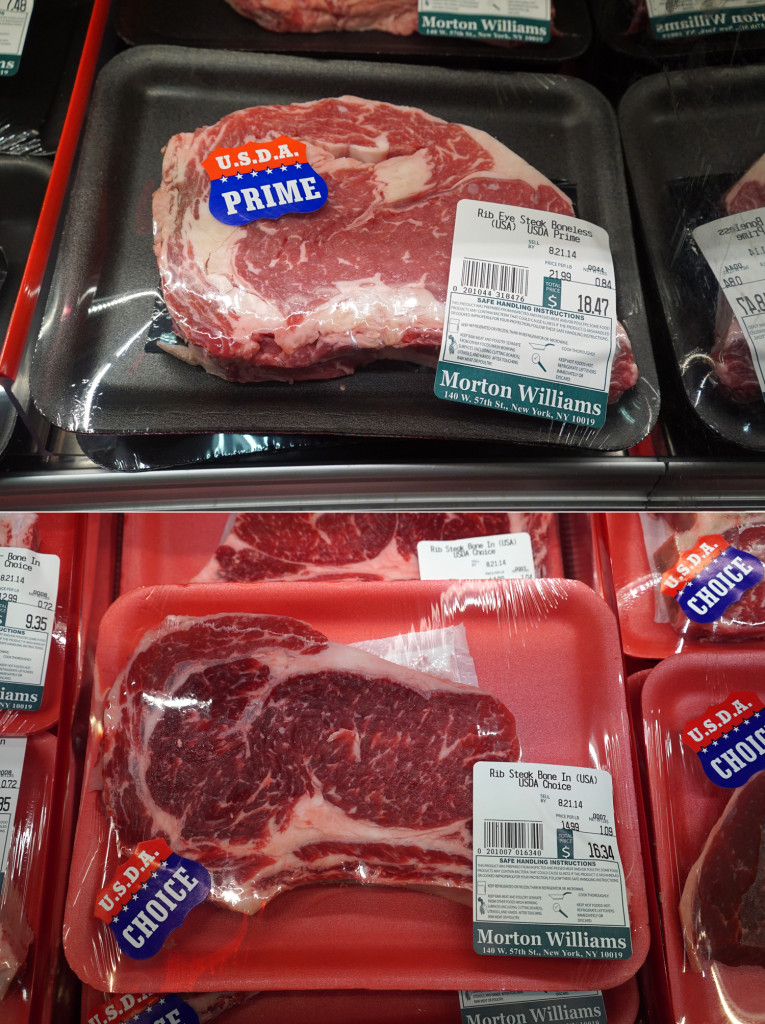
Another item for the plus column: beef selection. While the items can get pricey at times, the quality is very good. Whole Foods offers dry aged beef, and both joints have some great sales if you watch out for them.
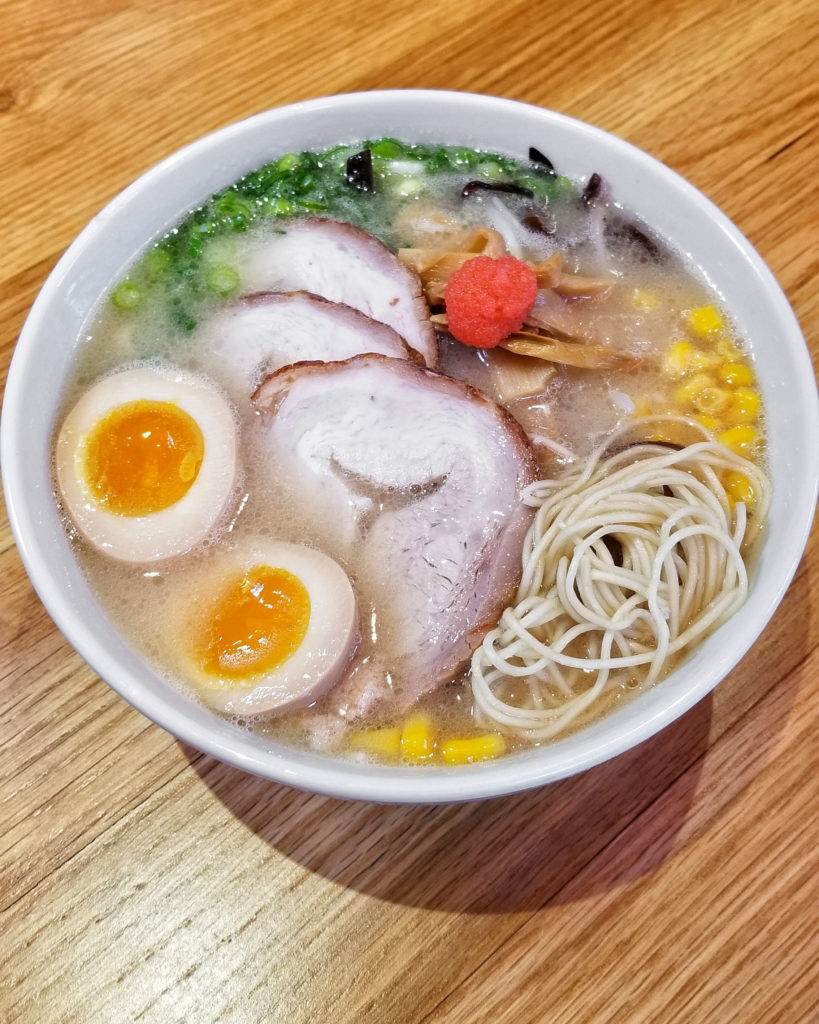
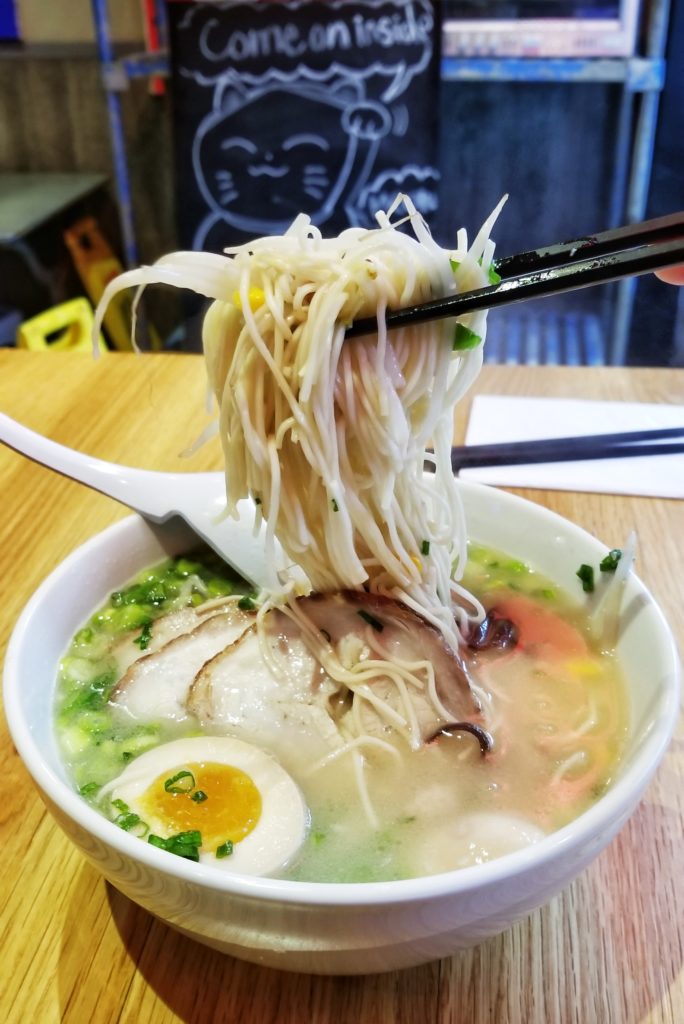
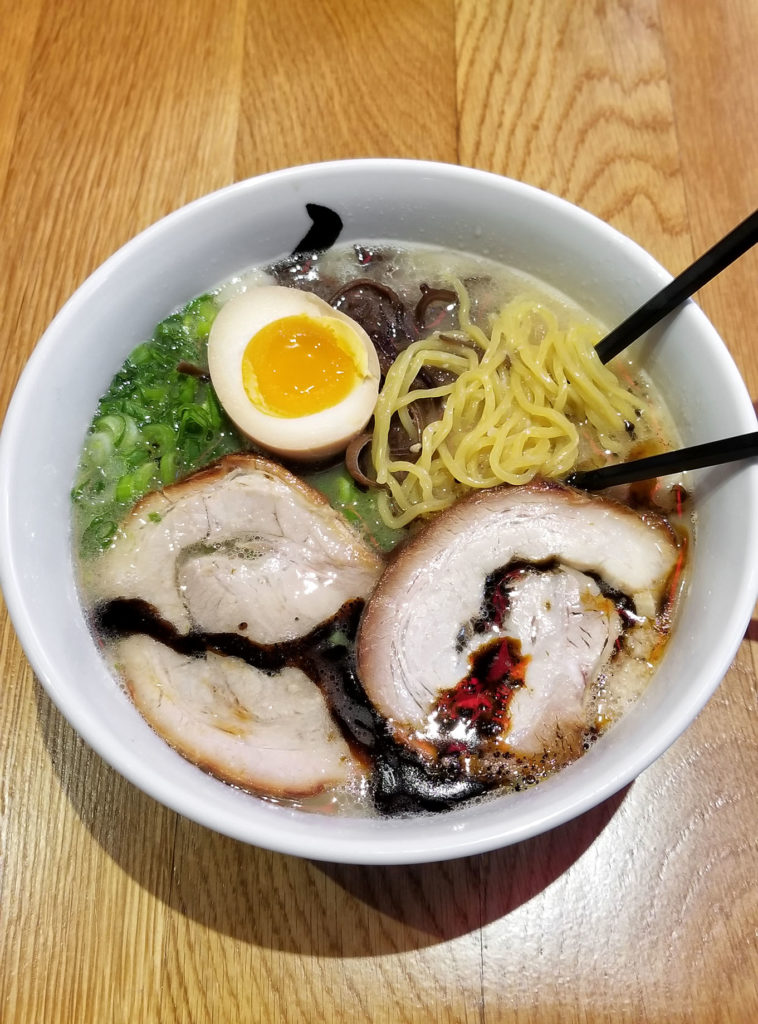
This joint recently opened near work, so I popped in for lunch one day. I ordered the deluxe ramen for $17. It’s a tonkotsu pork bone broth with sliced pork (three pieces), boiled egg (sliced in two), kikurage mushrooms, scallions, onions, bean sprouts and cod roe.
I really liked it. The broth had a thick, rich flavor without being too oily, fatty or salty. All of the toppings and components were well prepared, fresh and nicely cooked.
The noodles are customizable, meaning you can choose wavy or strait, and whether you want them firm or soft. I went with firm and strait, like a Viagra cock.
I’ll definitely be back here again soon. They have some really interesting broth flavors outside of just tonkotsu, and some great looking sides and apps as well.
UPDATE 8/1/17
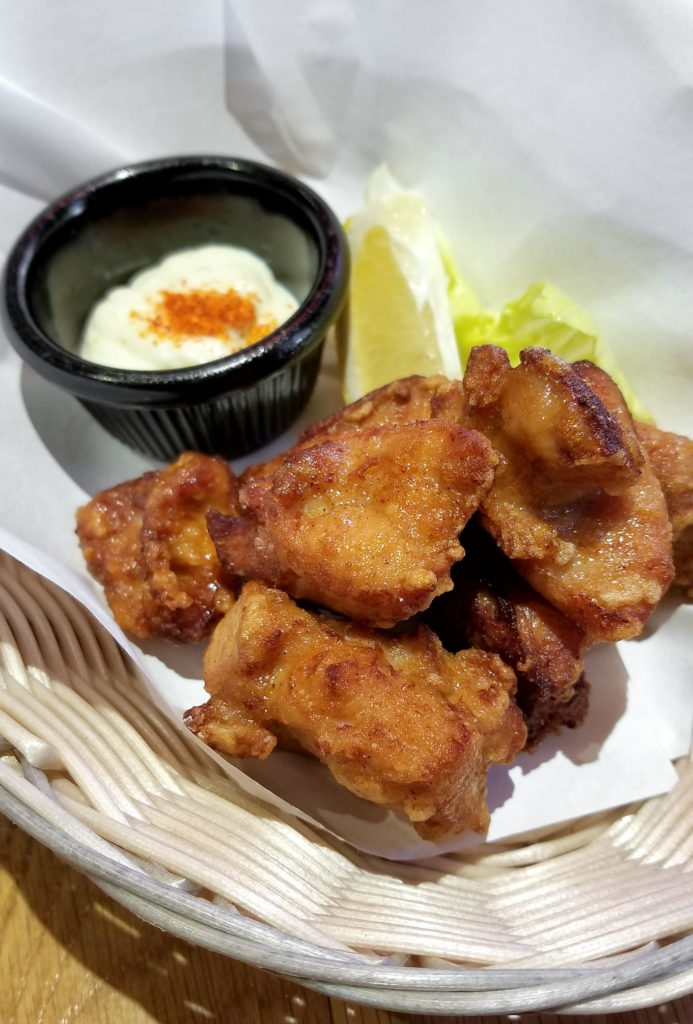
I went back with my wife and tried two different ramen styles, as well as the fried chicken app. The fried chicken was good. The breading was super light, if even present, and the thigh meat was really tender. I think I liked Zundo-ya’s fried chicken better, though.
Next up, spicy black garlic ramen.
For the first half of the bowl, I liked this better than the deluxe style from my first visit. However, the flavor was aggressive and I preferred the deluxe style while I was slurping the second half. I guess it depends on your taste buds.
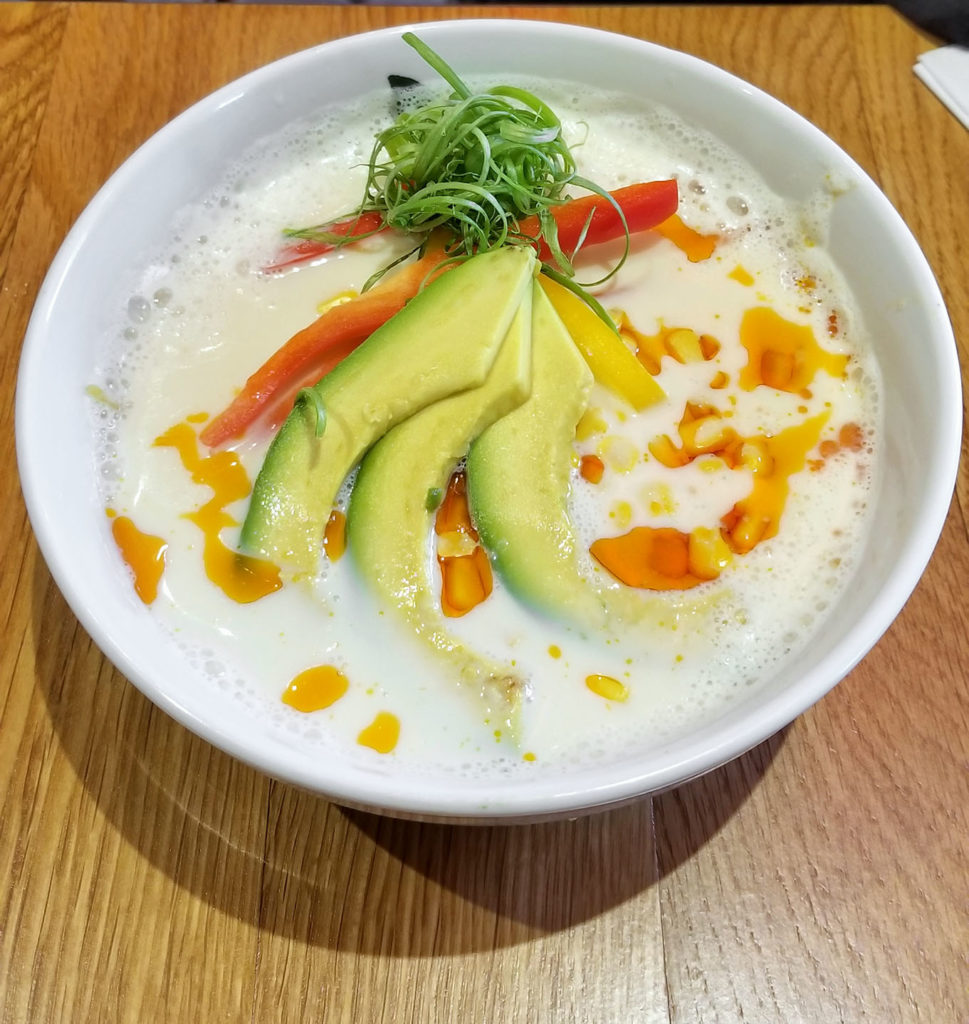
Second bowl: veggie ramen.
The soy milk broth is super flavorful, and it inspired me to create a hybrid broth consisting of pork bones cooked in soy milk in order to have an even more milky consistency to the broth. I’ll have to try it at home soon.
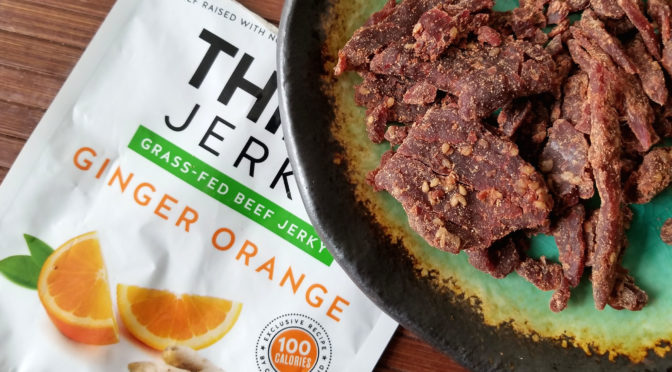
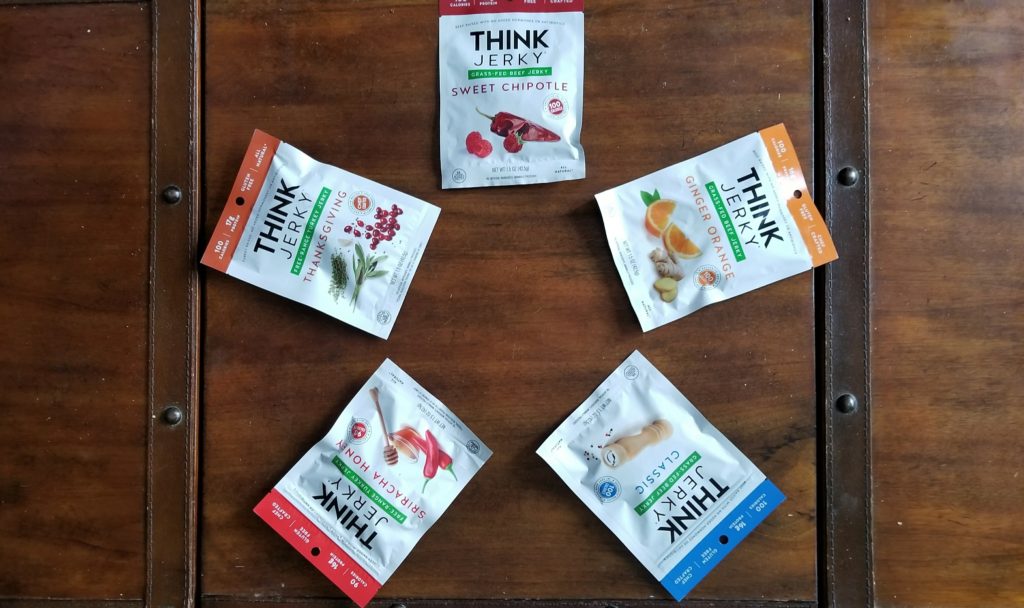
I came across Think Jerky at a food convention. They sent me a package of five flavors to sample. Sriracha Honey (turkey), Ginger Orange (beef), Sweet Chipotle (beef), Thanksgiving (turkey) and Classic (beef).
I was really impressed with the texture and quality of the meat in these babies. Very tender.
Sriracha Honey tastes exactly how it sounds – a punch of heat, tempered back by some sweet. Very nice. It’s no wonder that is their best seller.
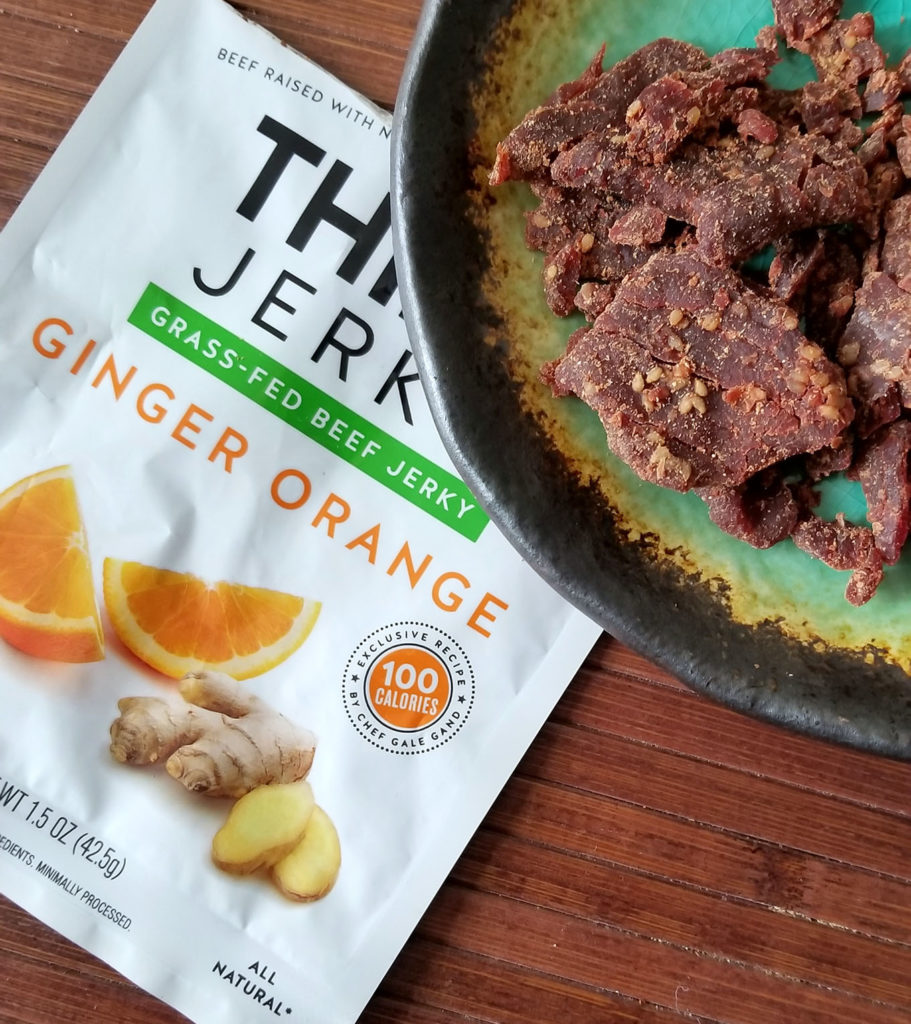
My favorite, though, was the ginger orange. It was such a nice divergence from common jerky flavors. A slight hint of citrus and the bright bite of ginger – I really loved it.
Another uncommon jerky was the Thanksgiving pack. And yes, it’s turkey jerky. You really get a full helping of those classic Thanksgiving herbs and flavors like thyme, sage and garlic. Lots of times turkey jerky doesn’t actually TASTE like turkey. It just tastes like “substance.” But Think Jerky’s turkey jerky actually tastes like poultry. It’s really nice.
It’s 1:00 am. It’s bitter cold outside, early December. Phil Trowbridge is making his first of three rounds throughout the night to check on his animals. He’ll do the same at 3:00 am, and then at 5:00 am, before even starting the day. It’s harsh, but it always has to be done, every day, even on Christmas.
He hears and sees one of the cows struggling. She’s panicked. When he gets close he knows his long work day is going to be even longer. Her entire reproductive system has prolapsed, and if he doesn’t act quickly, she’ll die.
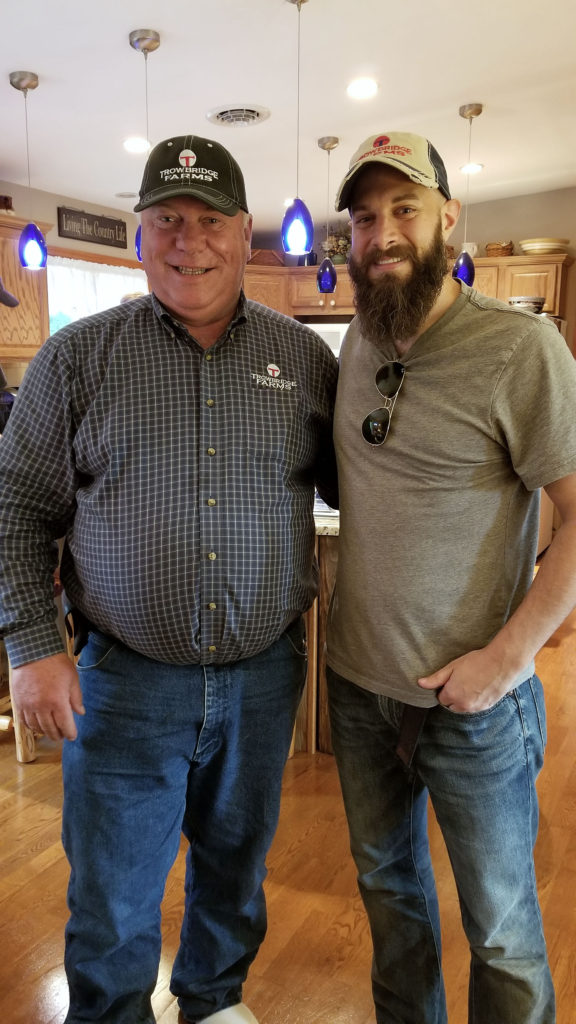
Phil’s son PJ is with him helping, as he’s done all his life. They live just a stones throw away now that a neighbor sold his house to PJ. They run the farm together.
They get the cow into the chute and place her prolapsed uterus onto a makeshift table that Phil created on the fly, using a stretched feed bag. They raise a bar up under her to keep her from shifting, moving, and making an already dire situation even worse.
The climate in the Hudson Valley can be wet and icy. Her front legs slip forward while her back legs remain propped up from the bar. She tips forward. Now things could get really bad.
But it’s a happy accident. She can’t move, and her body is angled in such a way that it’s perfect for getting her insides back in place. Phil ties her front legs and pulls them forward, keeping her at that angle, while PJ – hands and arms numb with cold in the frigid, dark December air – puts their cow back together again.
After spending a day with Phil and breaking bread with his family over dinner, I asked him and his son to tell me the most challenging and rewarding aspects of their profession. Phil told me that story, and it exemplifies both challenge and reward together in one grueling morning.
Phil has had to deal with maybe three prolapses in his decades of experience working with cattle, but he knows how to address the problem. In fact, he knows how to fix so much of what can go wrong on the farm, that if his veterinarians get a call, they’re truly worried.
I asked Phil and his son what the hardest part of their job is. Both he and PJ were modest: They told me it wasn’t a hard job, but I know I wouldn’t last a week doing what they do, day in and day out. Given the daily farm work on top of everything else they do, no one is ever idle.
While many things may come easy to Phil and PJ with their collective wealth of experience, there are still some things with which they have trouble.
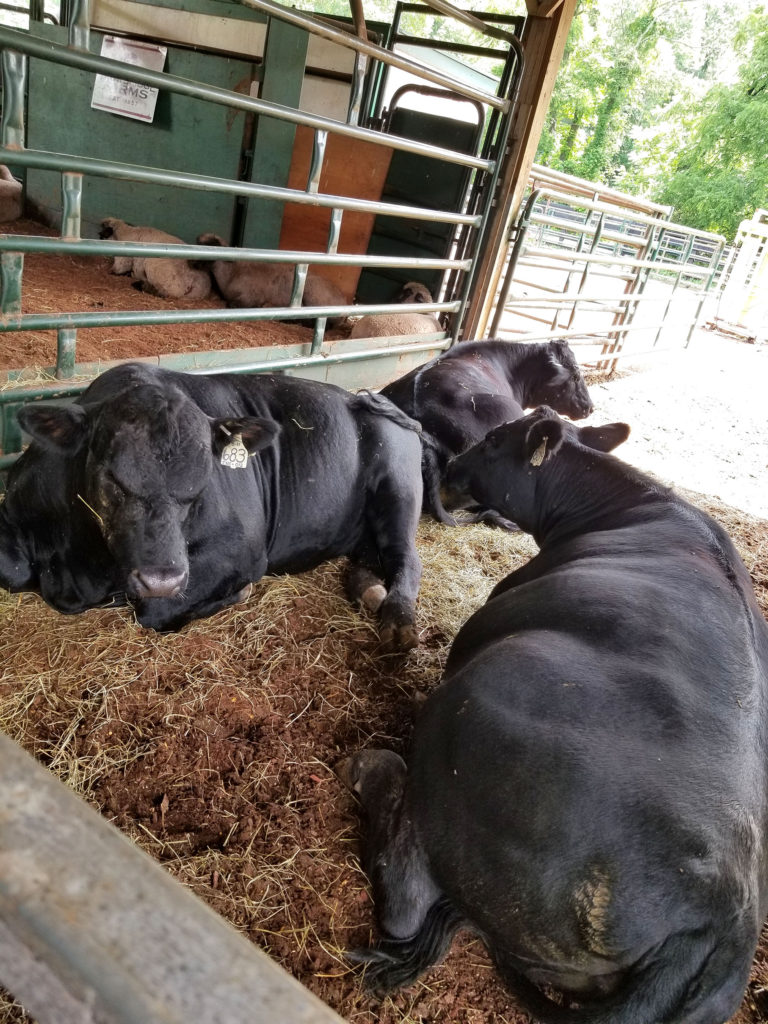
Phil told me that losing an animal is hard. When that happens, it stays with him. His heart breaks. The roughly 400 animals in his care are like children to him. He checks on them all day, grows and mixes their food, feeds them, cleans them, monitors their health and keeps them healthy, delivers their babies… That’s respect. That’s love.
And from what I’ve seen it’s not just Phil; it’s all cattlemen who are worth a damn in this business. You don’t step into this lifestyle without respect and love for the animals. That’s something the average person doesn’t understand about our cattlemen.
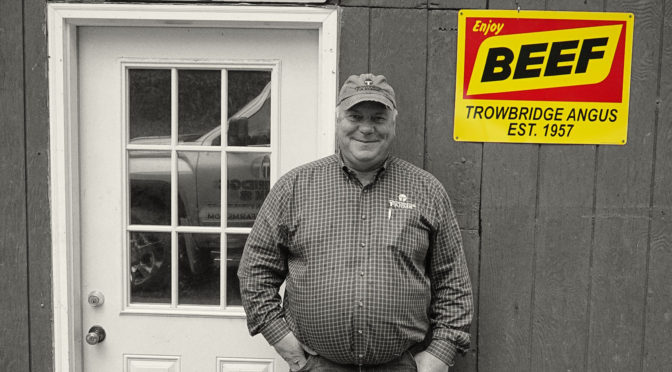
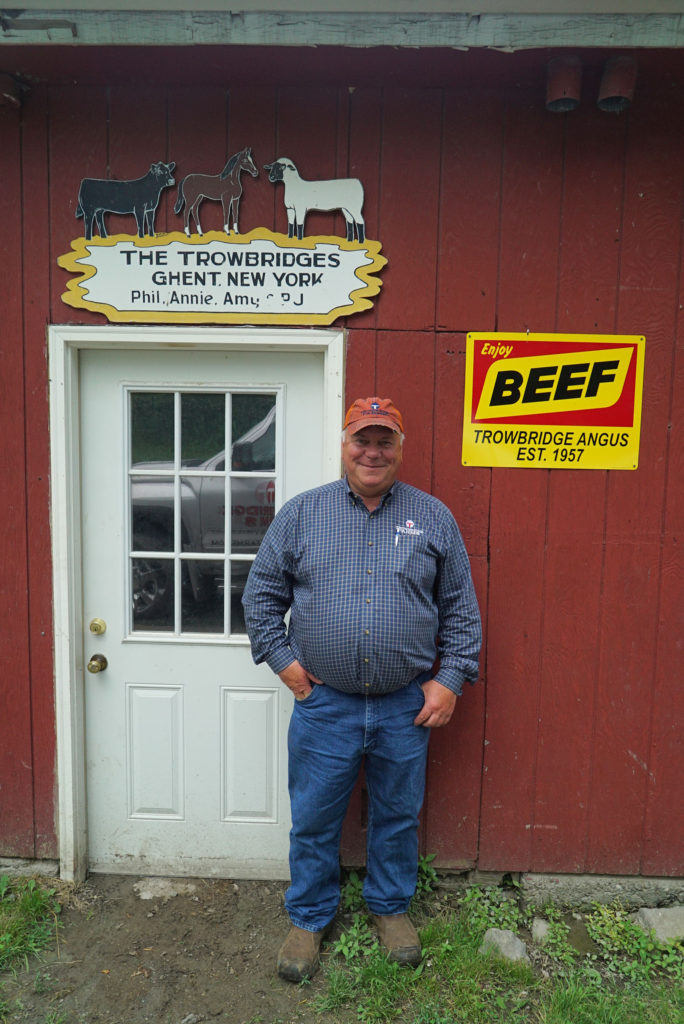
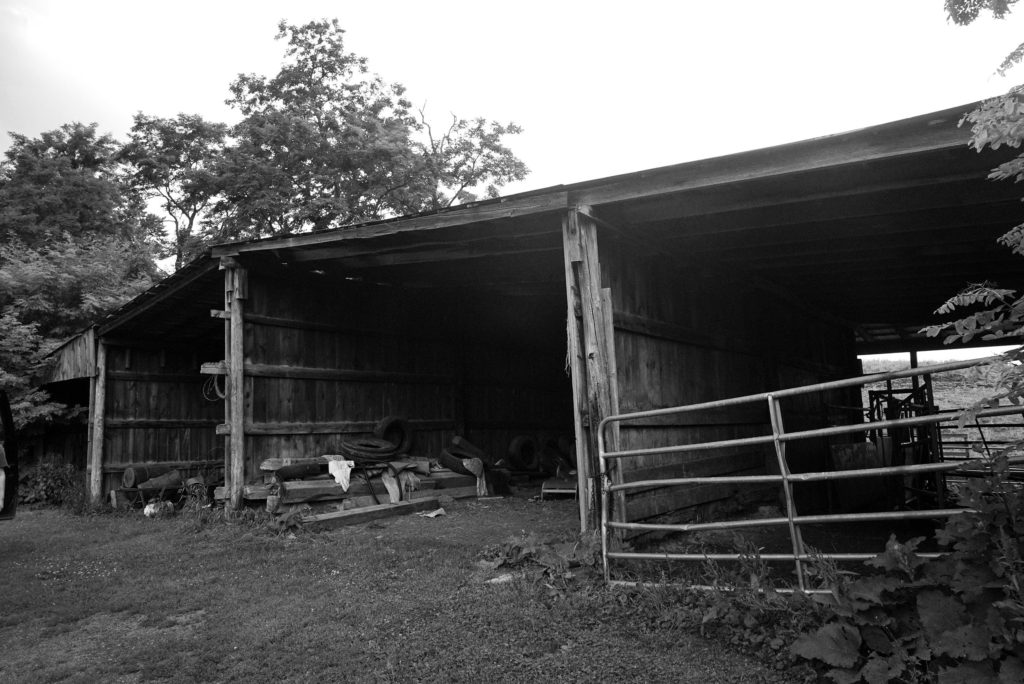
Phil in front of his lab, which is part of an old dairy barn that he uses for housing donor cows and where mature cows are calved.
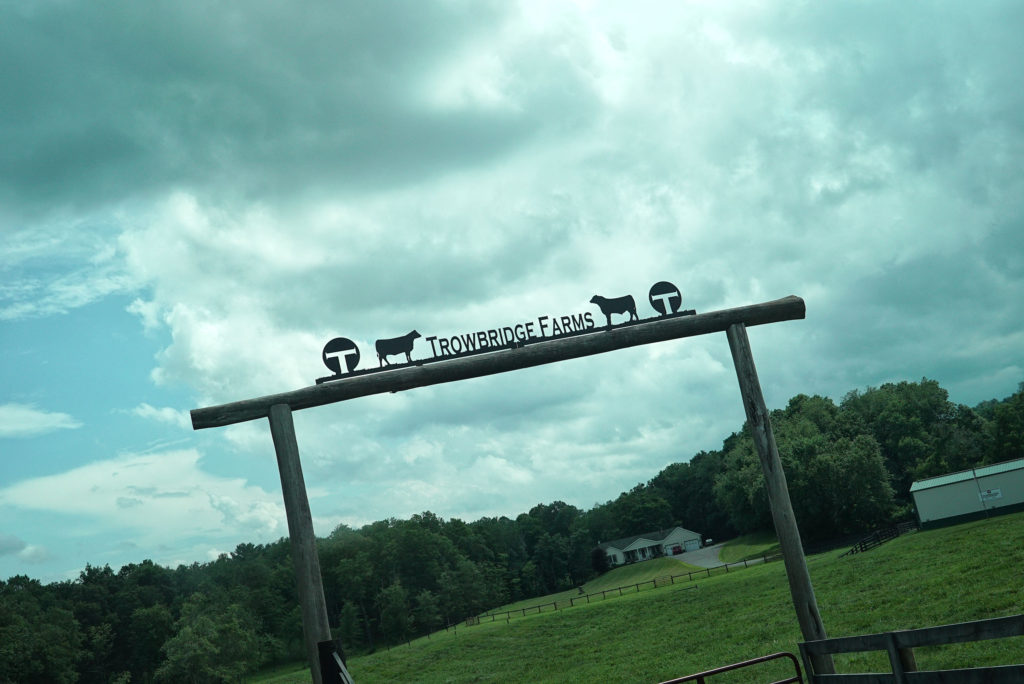
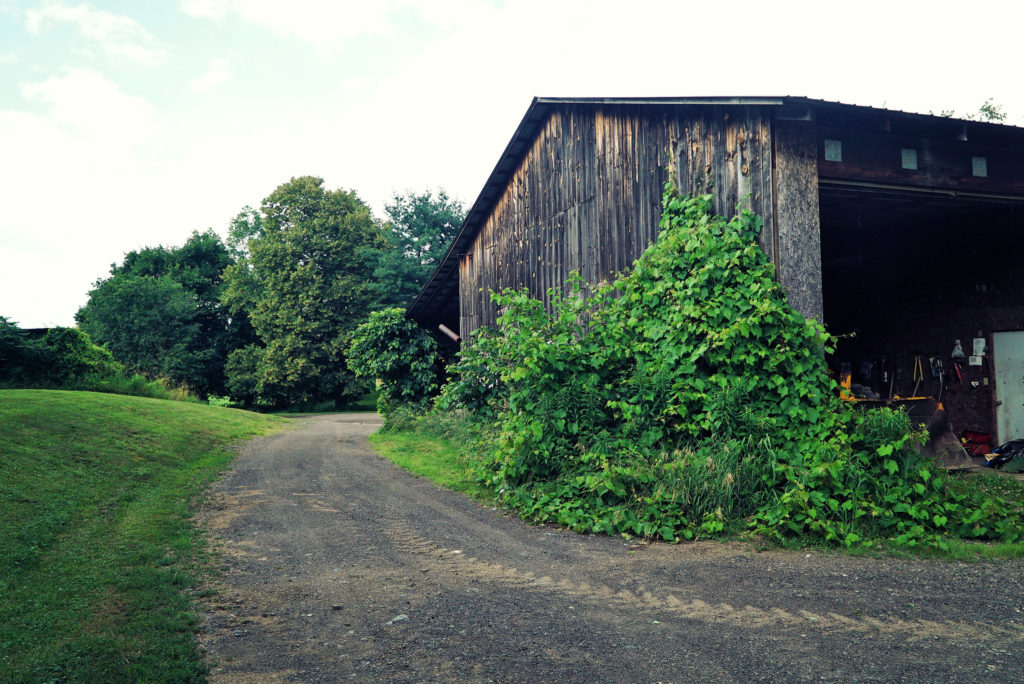
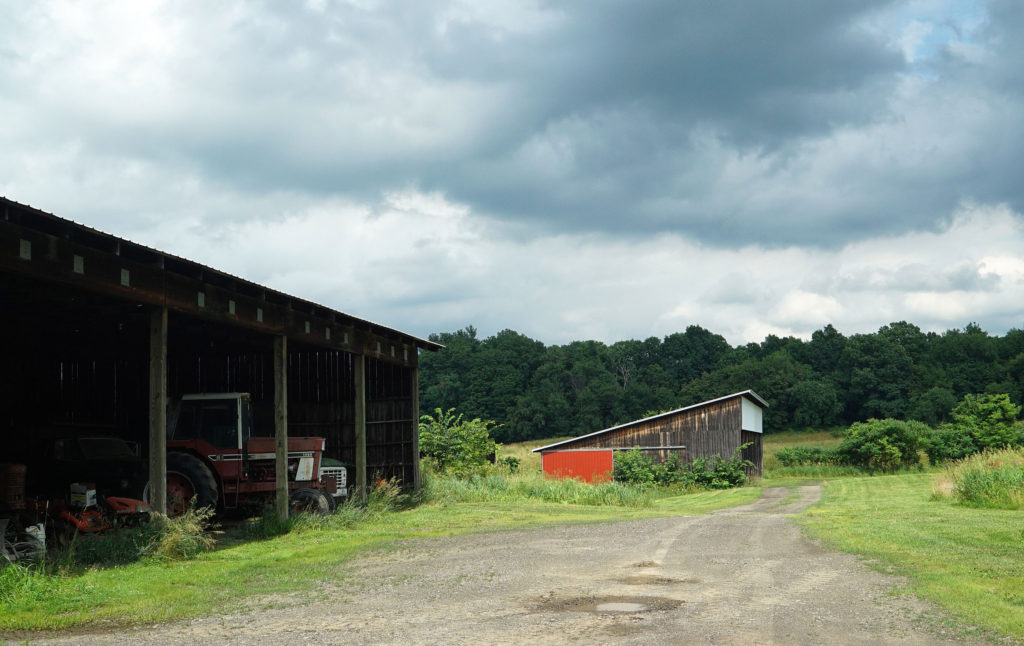
Phil runs Trowbridge Farms – a patchwork of pastures, farms and barns that spans 1700 acres in Ghent, NY, about two hours North of Manhattan by train/car on the east side of the Hudson River.
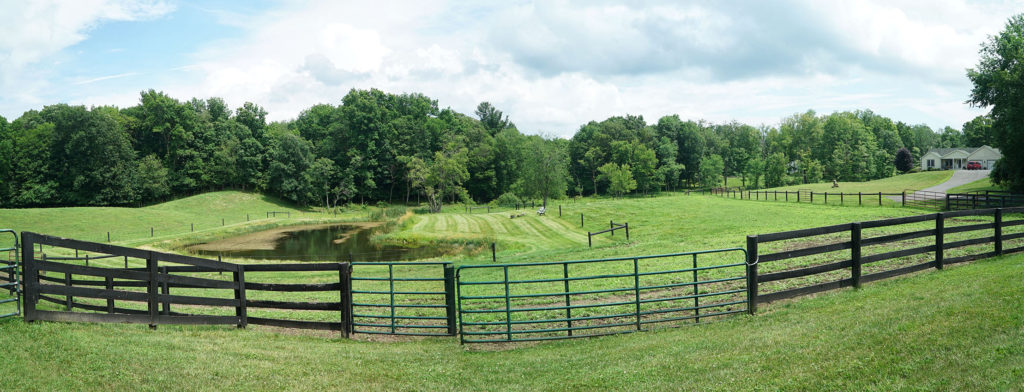
Phil’s home can be seen on the right in this panoramic view of his property, shot from inside the first barn he purchased here in Ghent.
Phil is originally from Buffalo, so this area may as well be Florida to him. When he first arrived here decades ago, he was surprised that cattle could even feed on pasture.
You may be thinking something like, “How the hell can someone run cattle in New York, where taxes and land costs are so high?” And that’s an excellent question.
The majority of land Phil works and uses is not his own. Rather, he rents and leases land from homeowners who are weekenders and summer vacationers from New York City. They own second homes, but allow Phil to raise feed crops and grasses there, and to graze his animals on the land, in exchange for rent or barter.
When Phil drives his truck from one barn or pasture to another, he never uses the land owners’ driveways even though they offer access and faster ingress and egress. He endeavors to be invisible to them, non-intrusive on their property, and respectful of their privacy.
Because of this system, Phil can probably raise cattle cheaper than most places in the country. The relationships are mutually beneficial: Phil maintains the land, and the homeowners can sit back and earn additional income.
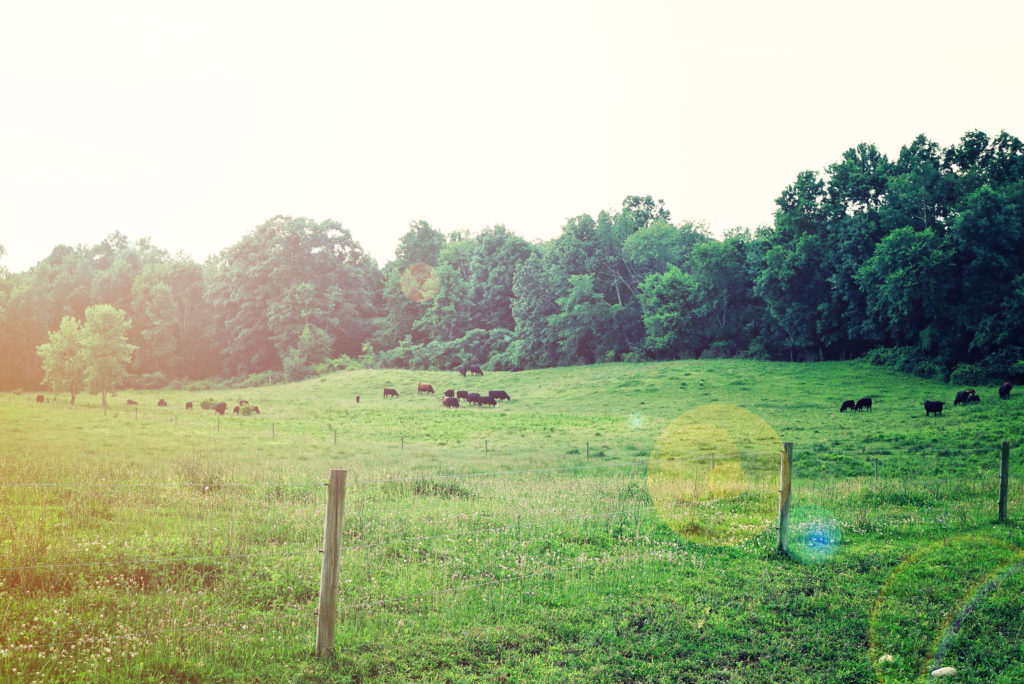
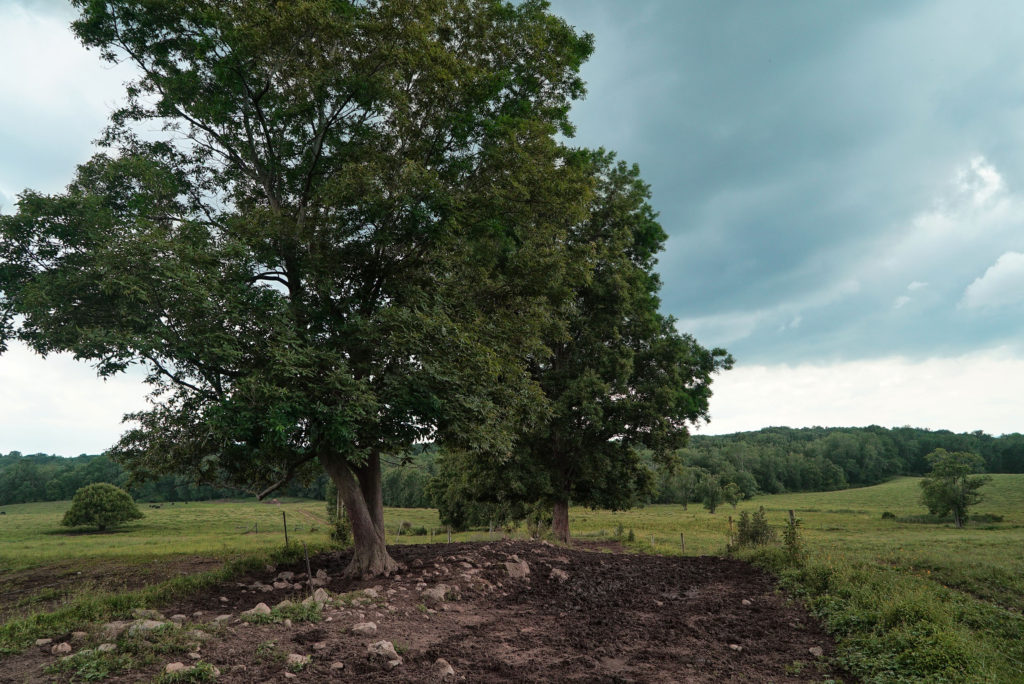
Cows graze on each pasture for about three weeks, with about 30-40 cows through each field.
The soil here is everything. Across the Hudson, the earth is like clay, and therefore it’s harder to raise crops. Here, it’s more gravely and easier to work with. Phil couldn’t have this kind of productive operation if he didn’t understand the soil and how it affects plant makeup. In fact, there is pressure from dairy farms to get this better land for the alfalfa.
“Why?” For their feed.
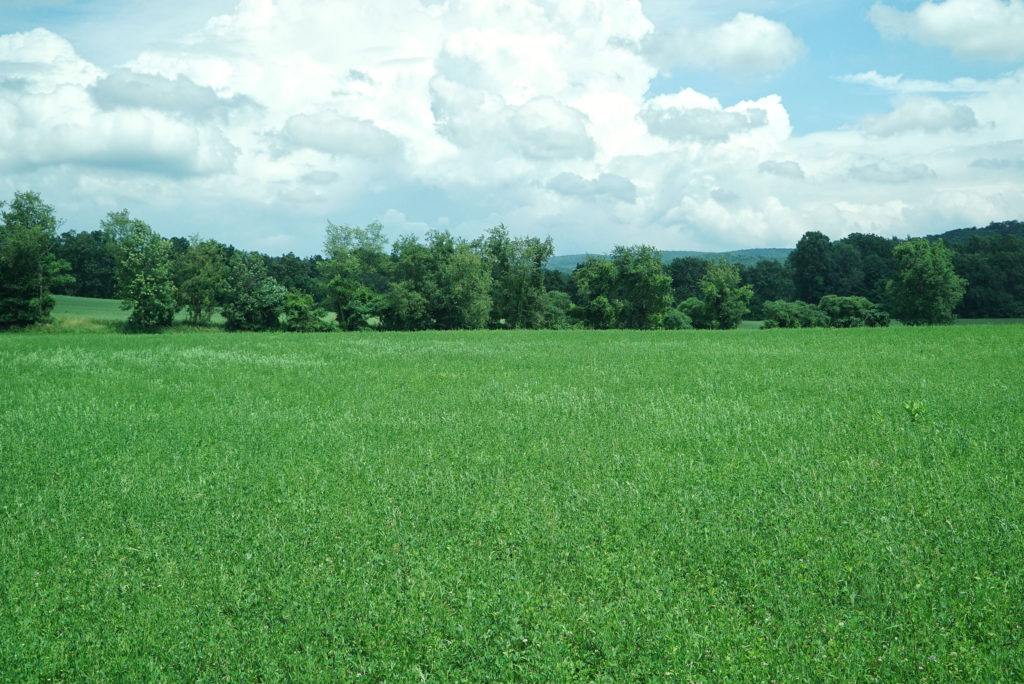
Alfalfa is a high production, high nutrient legume plant that Phil uses in his cattle feed.
Alfalfa field.
He takes three or four cuttings, and when I visited on July 2nd, he had already taken the first cutting. With his bromegrass and Timothy-grass farms, he only gets two cuttings. He also grows oats and corn as well, and makes his own hay and baleage.
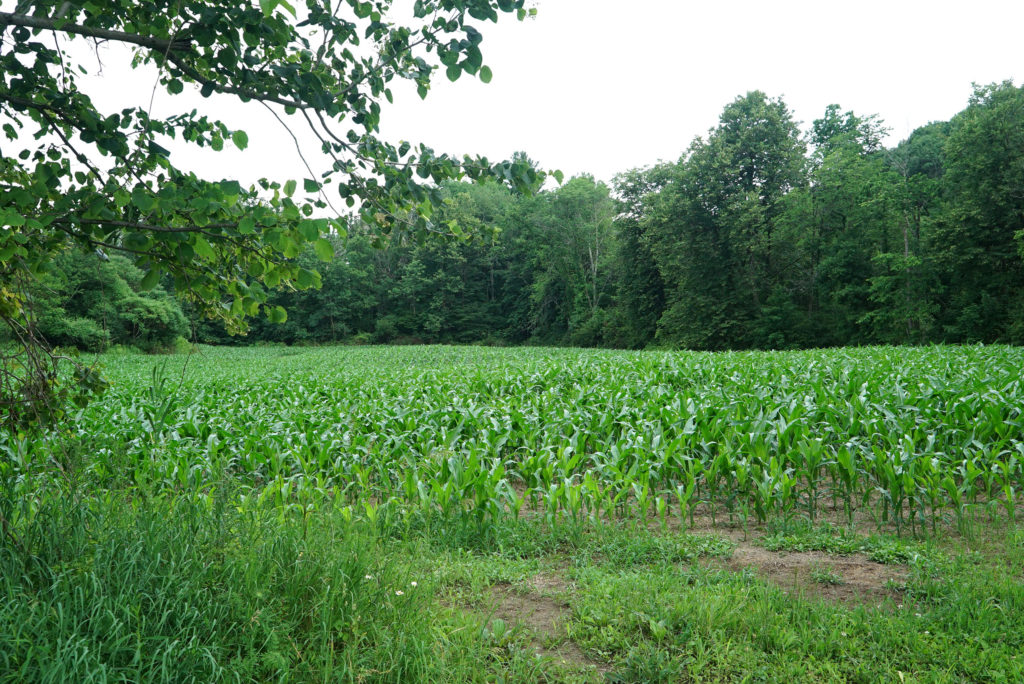
Phil uses GPS when planting his corn so that he can utilize the most land possible. The systems even tell him how much fertilizer and spray he needs. But here in the northeast, deer are a big problem because they can decimate acres of corn crops.
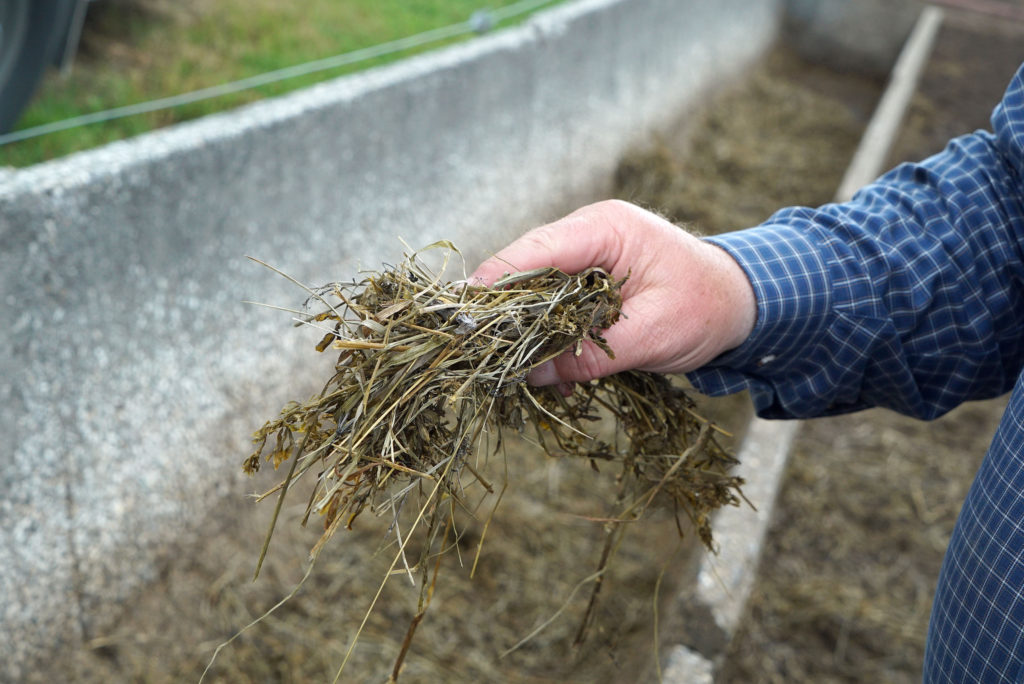
Baleage, or silage, is a fermented feed that helps cattle in their digestion process. It also keeps longer without spoiling. That combination makes for an economically viable and nutritionally beneficial feed solution.
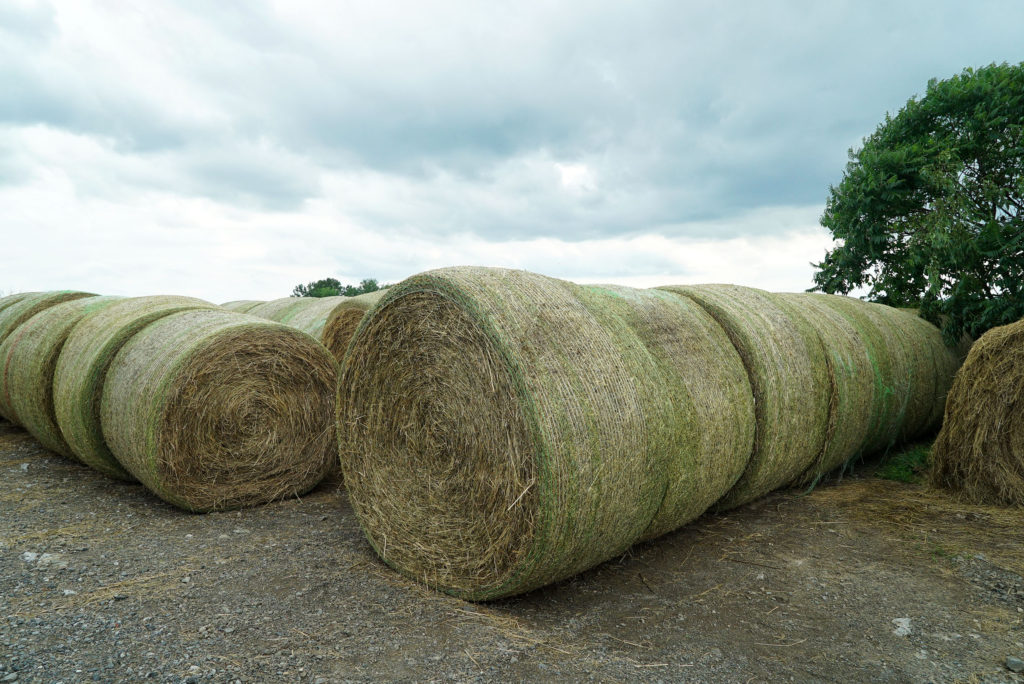
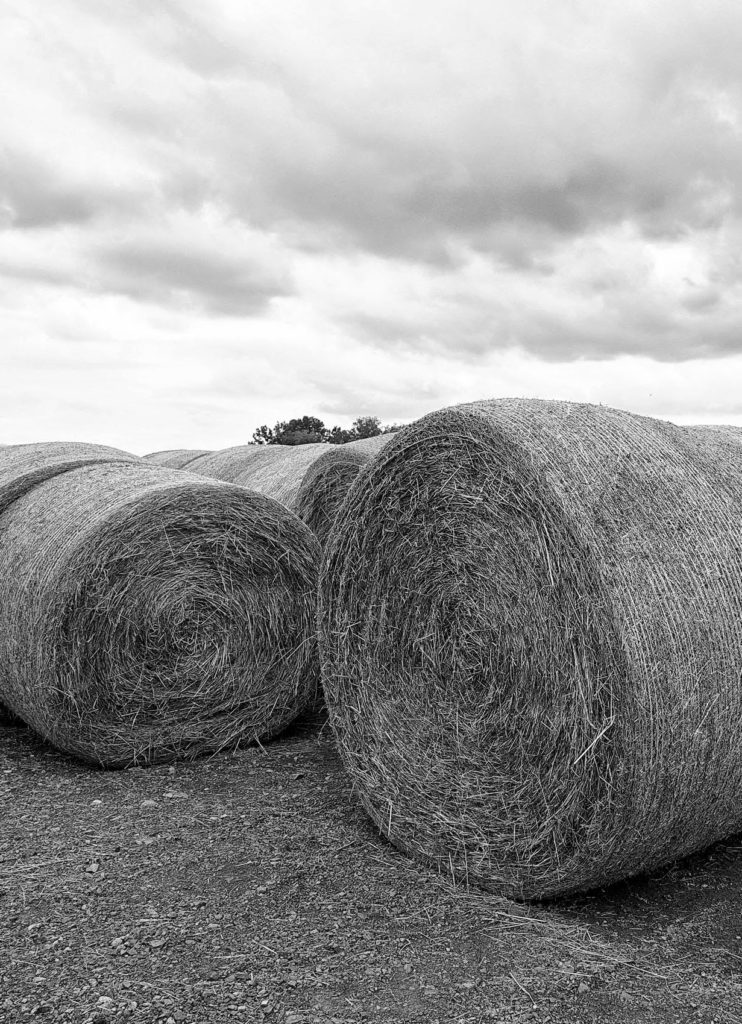
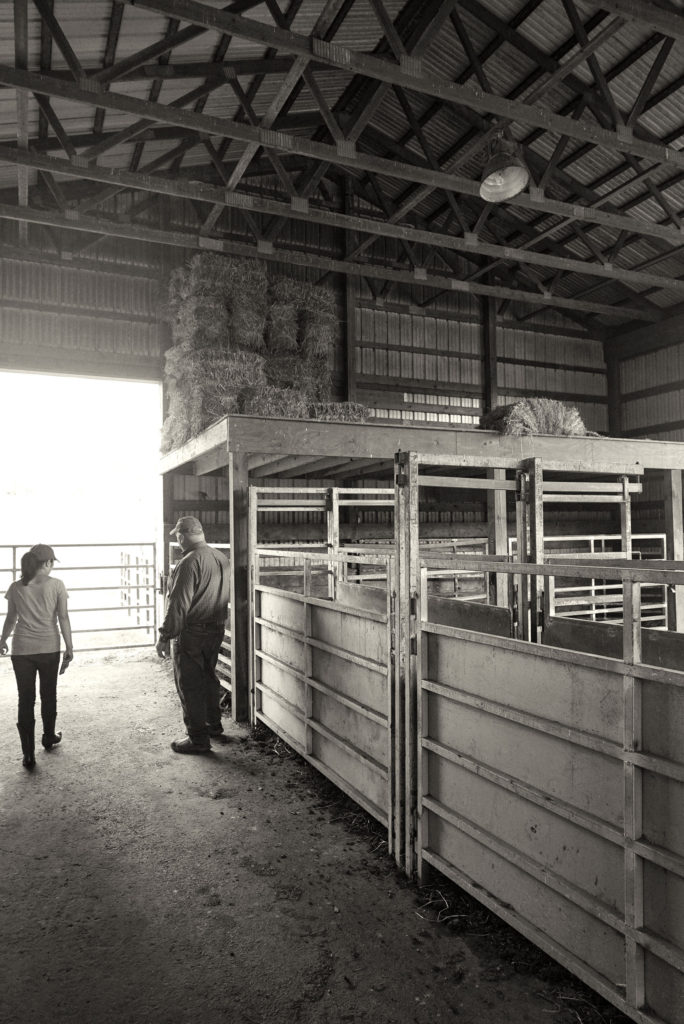
Dry hay in rolled bales positioned close to the Winter pastures and barns for easy access. Phil’s animals can eat 40-60 lbs of hay per day in Winter, with the range varying on how cold it is. The colder it is, the more calories the animals burn staying warm. As such, they need to eat more to keep growing. But something as simple as providing bedding piles in the pastures can help the animals retain warmth, saving Phil 10 lbs of feed a day for each animal. They eat half as much in the Summer months.Feeding the animals in covered barns or blacktop corrals also helps Phil conserve feed and keep the animals warm in Winter months. In Summer, the corrals are outfitted with fans and provide shade from the sun. Fly management is also important in the warm months. Excessive head shaking or tail switch swatting burn lots of cattle calories, requiring more feed for growth.
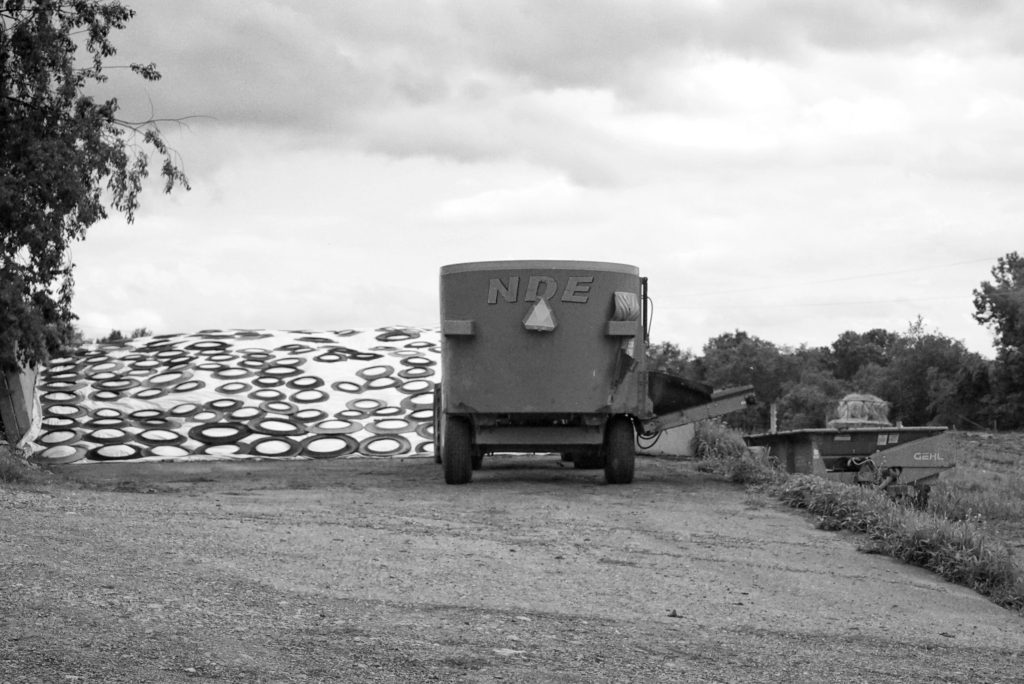
To make baleage Phil uses a vertical grinder and mixer first, to break up the feed crops. Then he covers it with tarp and weighs it down with specially cut tires that won’t collect water and draw mosquitoes. This allows the fermentation to occur and turn the crops into cattle feed.
Phil’s vertical grinder and baleage tarp. Equipment is Phil’s biggest cost at the farm. But this expensive vertical grinder was worth it, as it acts like a blender to mix up precise amounts of grasses with exacting percentages of nutrients that are evenly distributed throughout the feed.Phil has to project how much feed he will need for the Winter so that his animals don’t go hungry, and he must pay close attention to weather patterns to avoid having his baleage spoil.
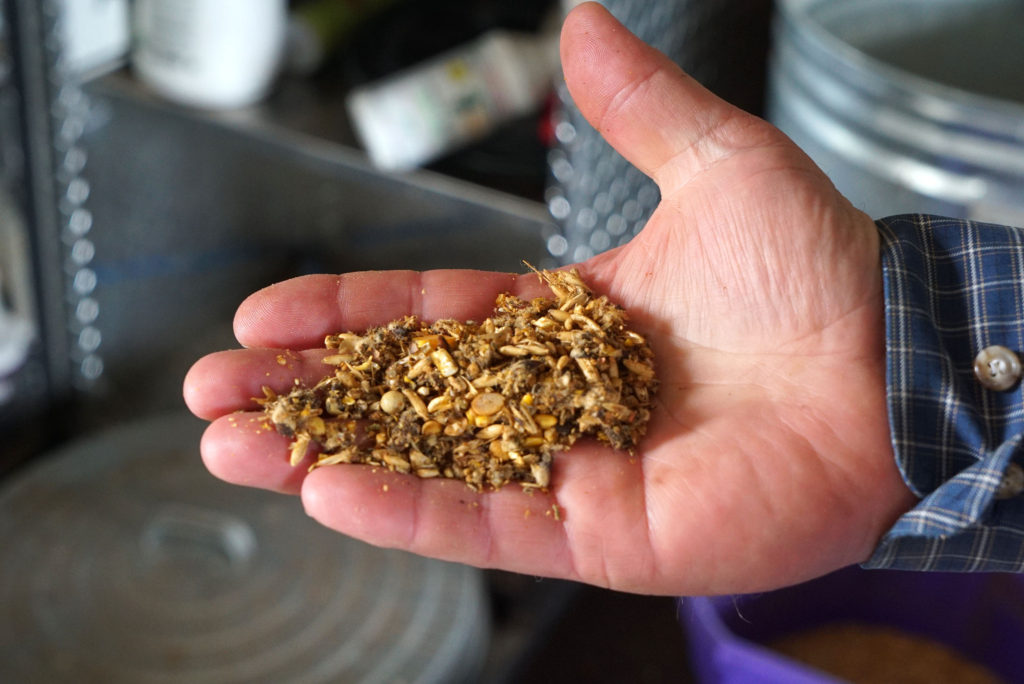
While Phil grows and makes most of his own feed, he does buy some corn because it’s cheap. He also works with local distillers to get fermented corn mash byproduct, which is similar to baleage in its digestive benefits. It’s also a great way to reduce commercial waste and make good use of stuff that is otherwise discarded.
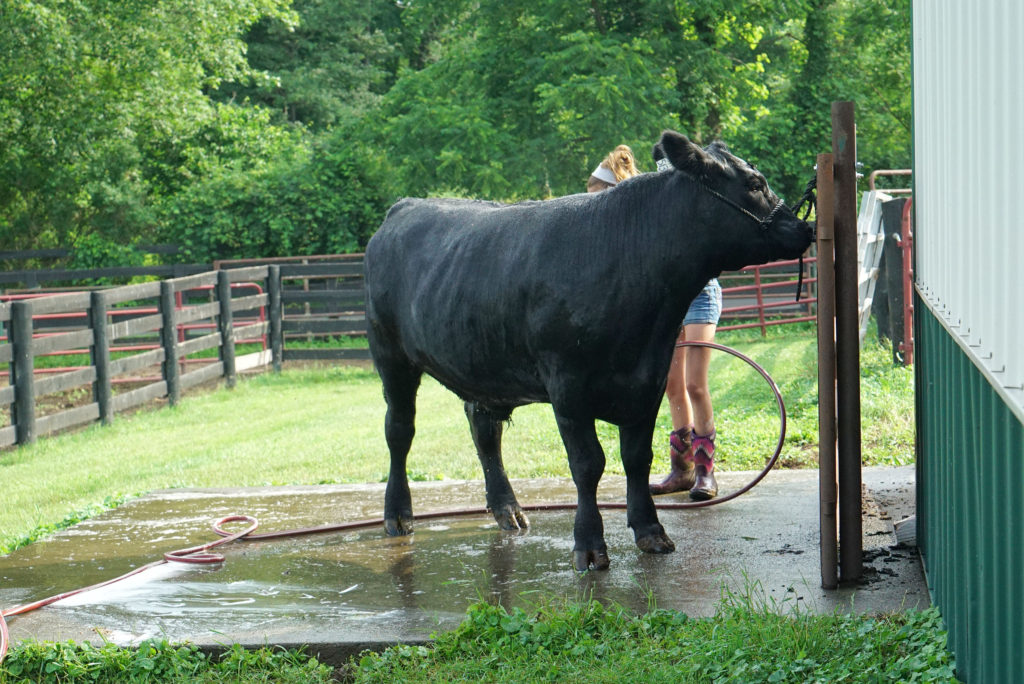
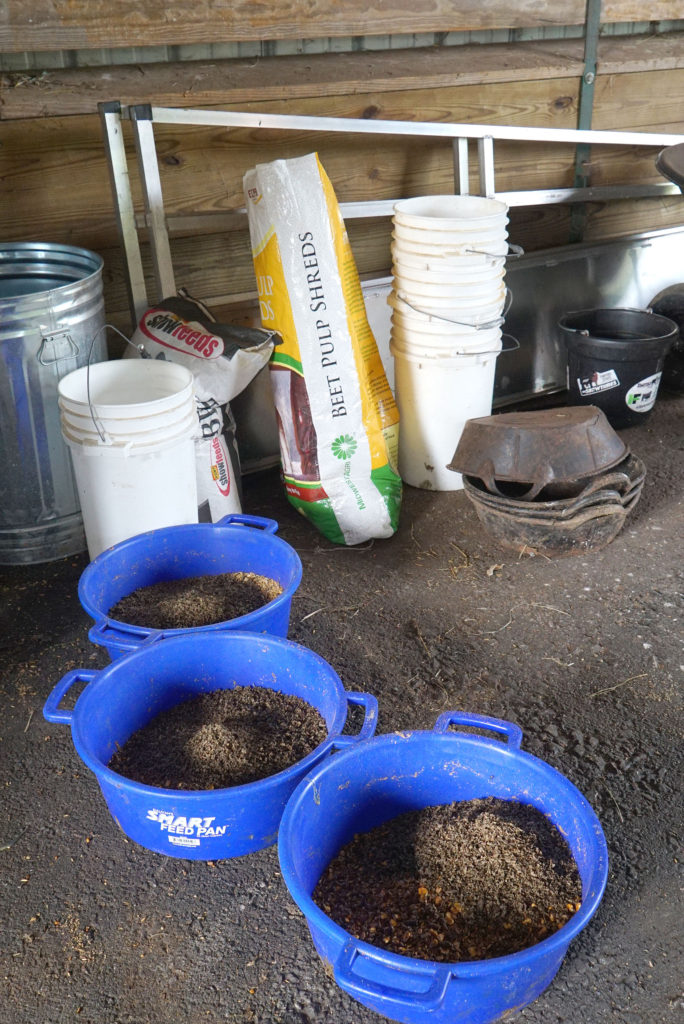
This is dinner at the barn where show animals are being cleaned up and readied for county fairs and other competitions. It’s a mix of cotton seed hulls, beet pulp shreds, soybeans and steam flake corn.Phil’s granddaughter cleans one of the animals that will be shown at a fair.
Cows love grain and alfalfa because they’re sweet. Alfalfa can be so rich, nutrient-wise, that at times Phil has to cut his feed with more fiber so that the cows don’t get too heavy.
Alfalfa feed. The leaves contain the majority of the proteins and energy.
“Why? Don’t we want big, heavy animals in the beef industry for price-per-weight values?”
It depends. In his sector of the business, Phil is primarily concerned with producing bulls and calves of good breeding stock and genetics, not to get them up to a high market weight for later eating, like what you often see at feed yards in the Midwest.
Like people, some animals grow differently than others. Phil adjusts the feed for each animal depending on the traits they exhibit.
Phil ultimately wants comfortable females for breeding, and energetic, virile bulls for seeding. So, nutrient-wise, Phil takes different things into account because his end product is a much different animal, produced with a different purpose, than those produced in other sectors of the business: Phil’s animals are for breeding, while the others are for eating.
Speaking of Phil’s business, let me segue into more of what he does.
A dirt road through the pastures.
Trowbridge Farms is a seed stock operation, which means that Phil produces bulls that are eventually purchased by cow-calf farms. Since I know that you readers are at a remedial level when it comes to farm terminology, I’ll explain what this all means:
Bulls are intact males that can reproduce (steers are castrated, and can not reproduce). A cow-calf farm is a place where a permanent herd of cows gets pregnant and gives birth to calves, which are later sold.
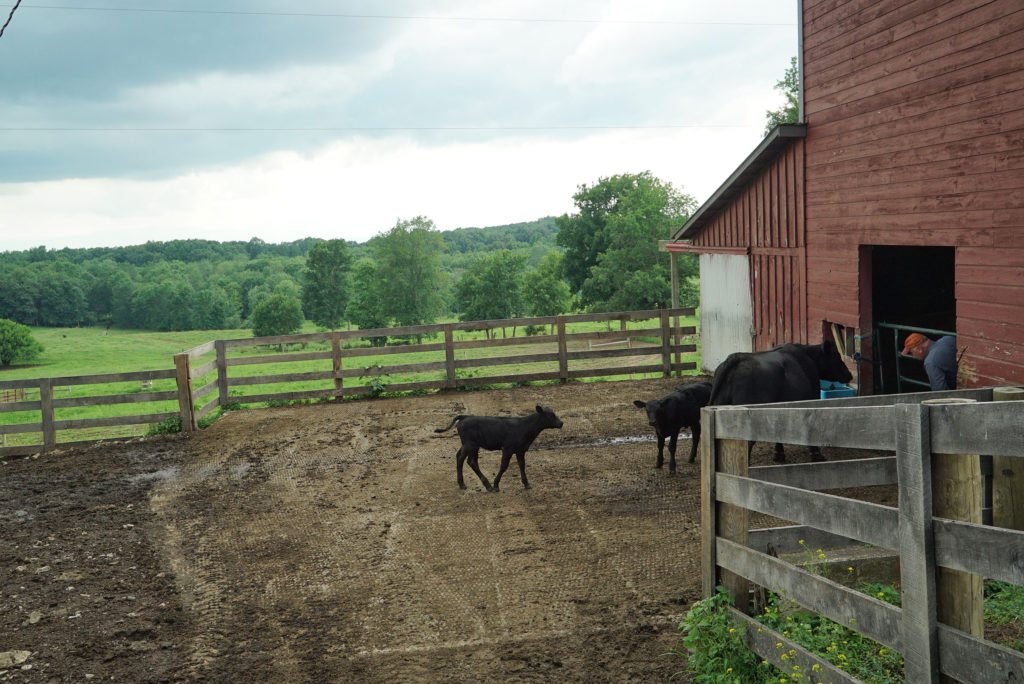
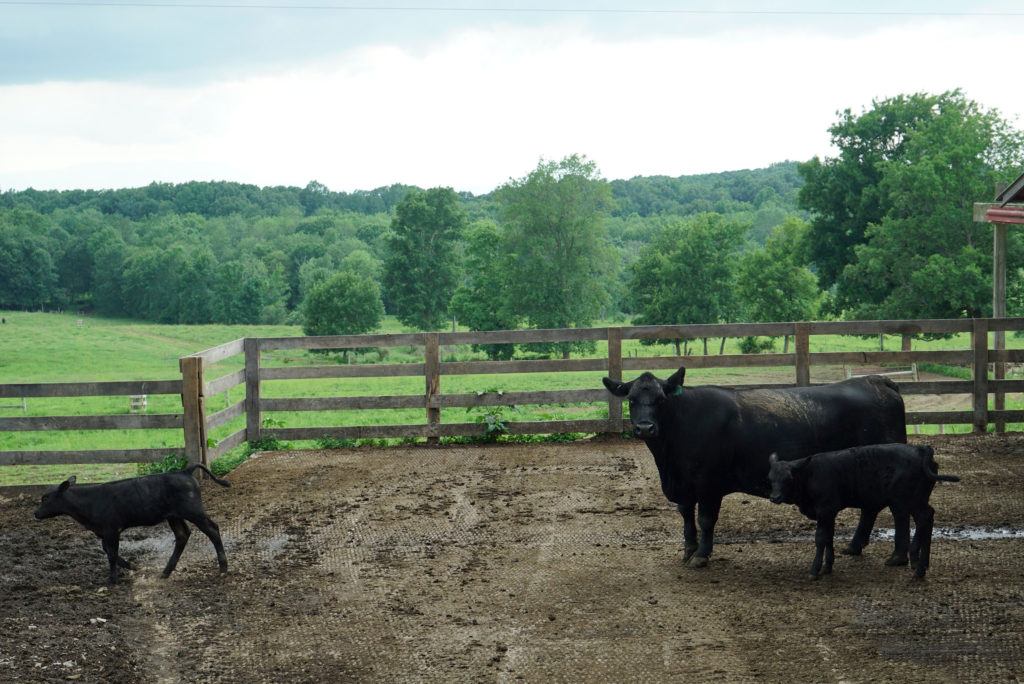
Phil lets the calves out of the barn so they can go graze in the pasture with the other cows.
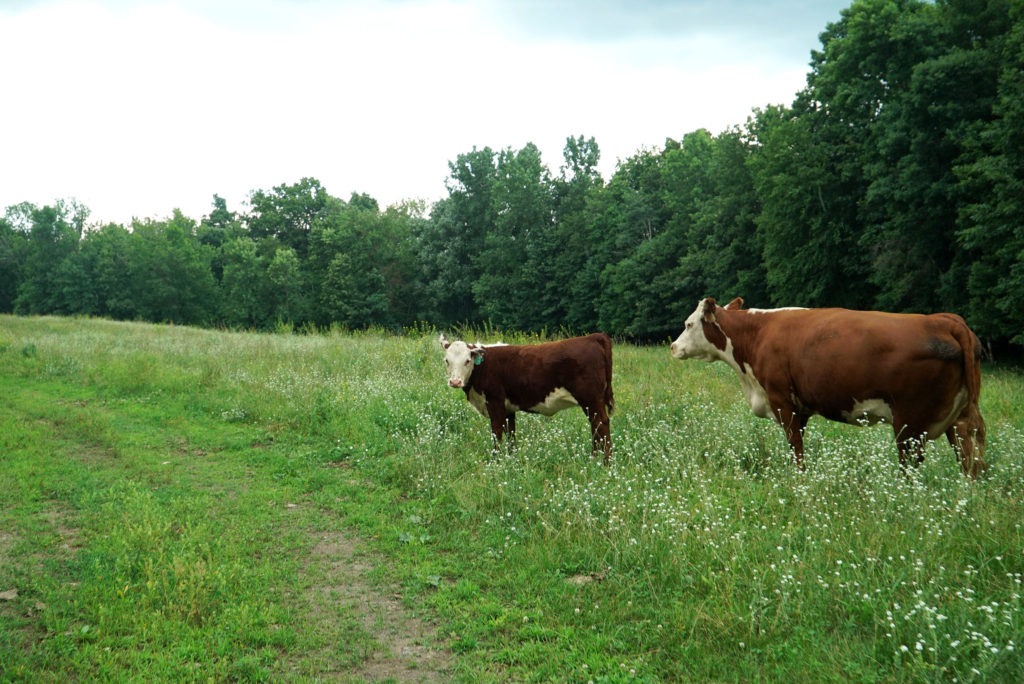
Grazing Herefords.
Just prior to my visit, Phil had completed his annual bull sale. He averaged about $3,975 per head. That’s pretty fantastic, considering that his closest competition was bringing in half of that amount.
Phil hosts a yearly heifer sale (female cattle that have never been pregnant) and a calf sale as well. In addition he engages in many sales outside of his annual events.
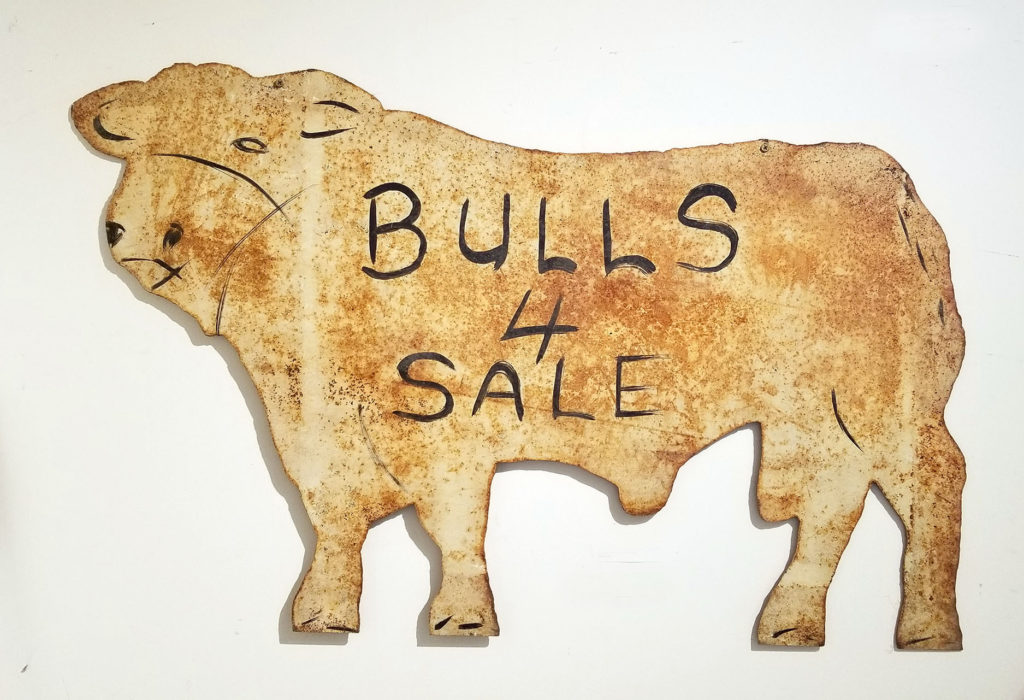
Something that caught my eye in an antique shop in nearby Hudson. Perhaps from Phil’s farm?
Phil also sells frozen bull semen and embryos with the use of vapor shippers. Cows can give birth about 10-12 times, on average, in their lifetime, before pregnancy becomes stressful on their body. But with embryonic science in play at Phil’s lab, he can get hundreds of fertilized eggs from his cows, freeze them, and use or sell them later. Given this aspect of the business, some of his cows have produced 500-600 offspring.
Almost all of Phil’s cows are surrogate mothers that were transplanted with embryos.
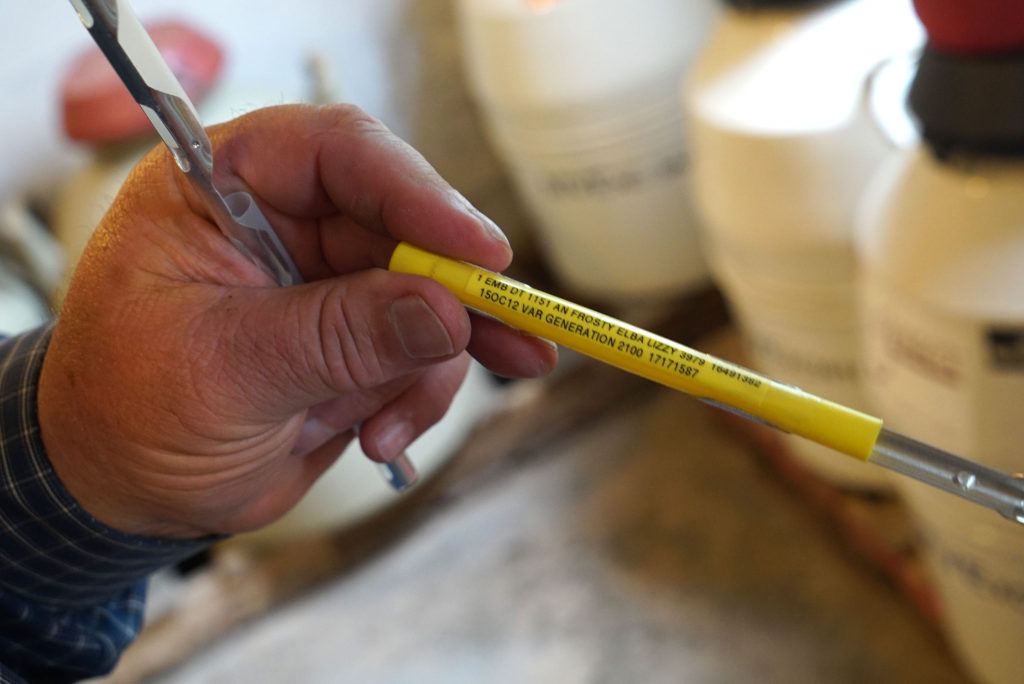
All information needed to identify the parents is printed on the frozen embryo tube. Meticulous records are kept, both before and after pregnancy.
Timing is important when it comes to the cows. He schedules things around their super ovulation. First, CIDR (controlled internal drug release) devices are vaginally implanted – they’re like giant IUDs. This makes the cows think they’re ovulating, which allows him to synchronize all of their reproductive systems.
They get a follicle stimulation hormone, which produces lots of eggs. He then artificially inseminates them to fertilize the eggs with his bull semen, thereby creating embryos. The embryos are then flushed out and used or sold.
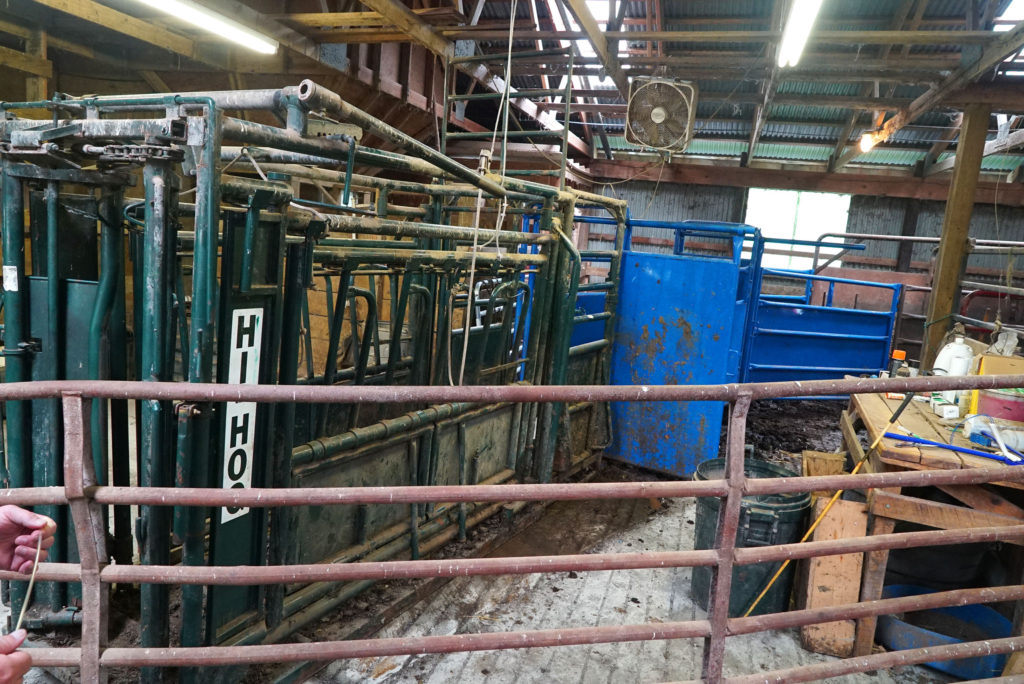
A chute in the calving barn behind the lab, which Temple Grandin helped Phil to correct in order to obtain better results with his animals. She knew it needed an angle change within 10 seconds of looking at Phil’s drawing.
The process is just as intensive as human in vitro science. Phil’s daughter is an in vitro nurse and actually knows more than most doctors she works with, because she’s been doing this with cows for about 30 years.
In Phil’s operation, the bulls never touch a cow’s cervix. He usually puts embryos into cows fresh, as opposed to thawed from frozen, to increase the conception rate (15%-20% higher).
He sells a lot of frozen product to Argentina; about 40,000 units. But he makes more money from his US sales. This one bull, named Powder River, is like a legend around the farm. He’s spoiled and lazy, but he generates tons of product even at an old age – almost quadruple what other bulls can produce.
Powder River kicking up some dirt.
The frozen semen and embryos are stored in tubes or straws, and placed into liquid nitrogen holding tanks. In the event that Phil identifies a genetic abnormality, he will separate and retain the samples because many universities have expressed interest in studying them.
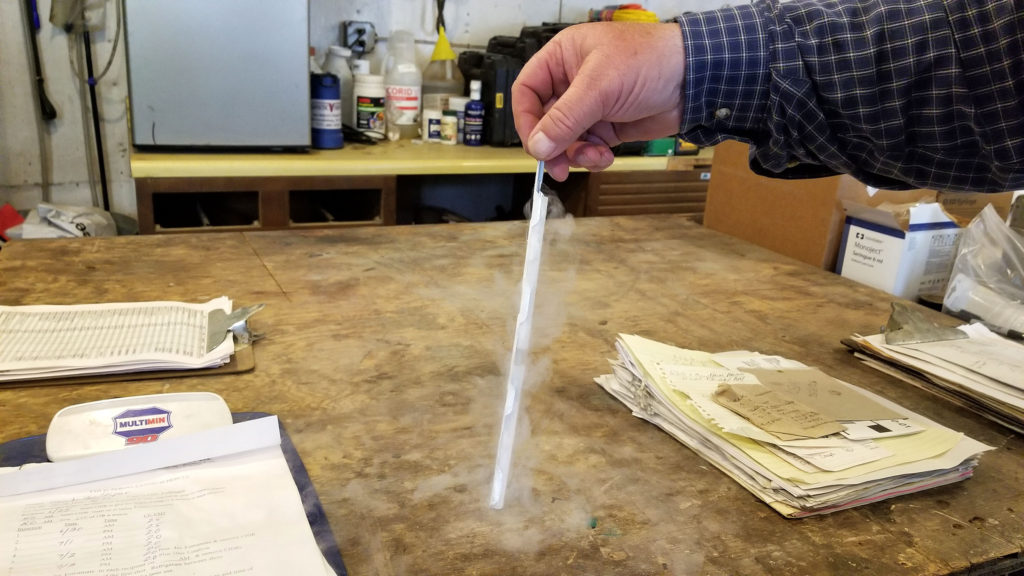
A frozen semen tube smokes as it makes contact with the humid Summer air. It has to be thawed at the correct temperature with a special device before it can be inserted into a cow.
Phil’s customers are buying bulls, bull semen and embryos because they want specific genes to be expressed in their herds, and they know that Phil’s bulls produce some of the most desirable characteristics and embody superior genetics.
Customers look at these purchases as investments, like buying stocks. When they come to Phil, they usually don’t leave without buying.
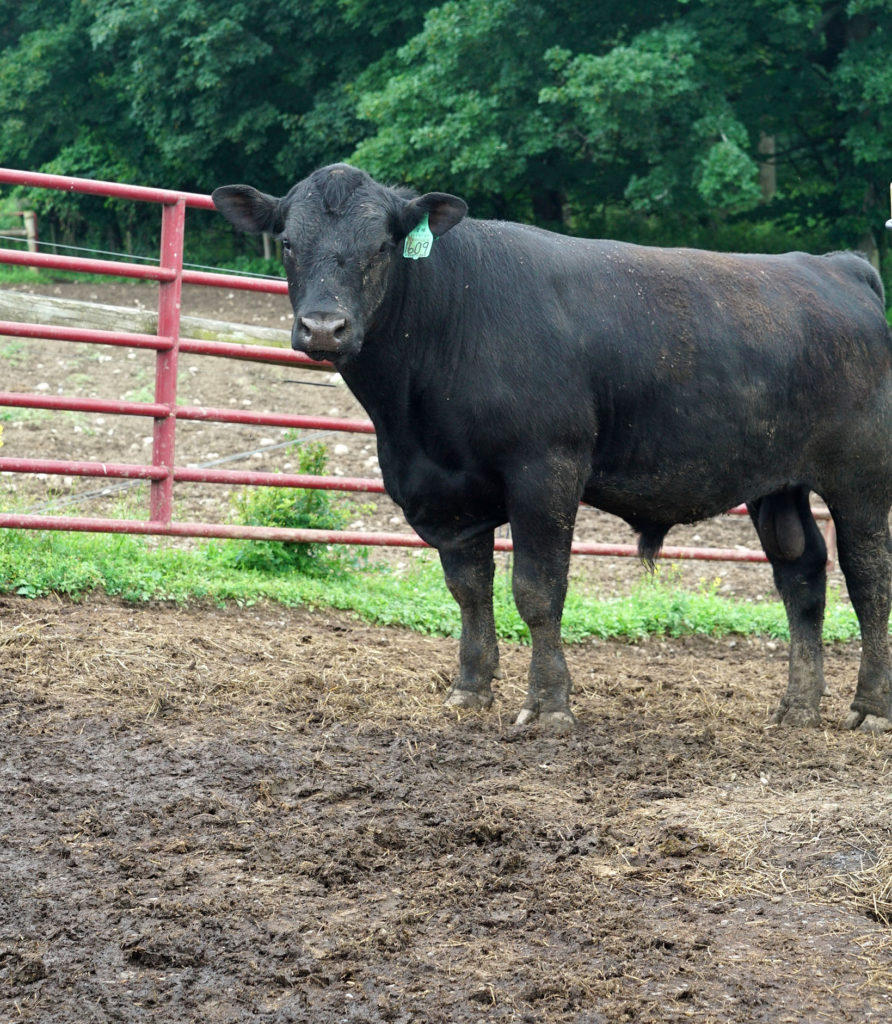
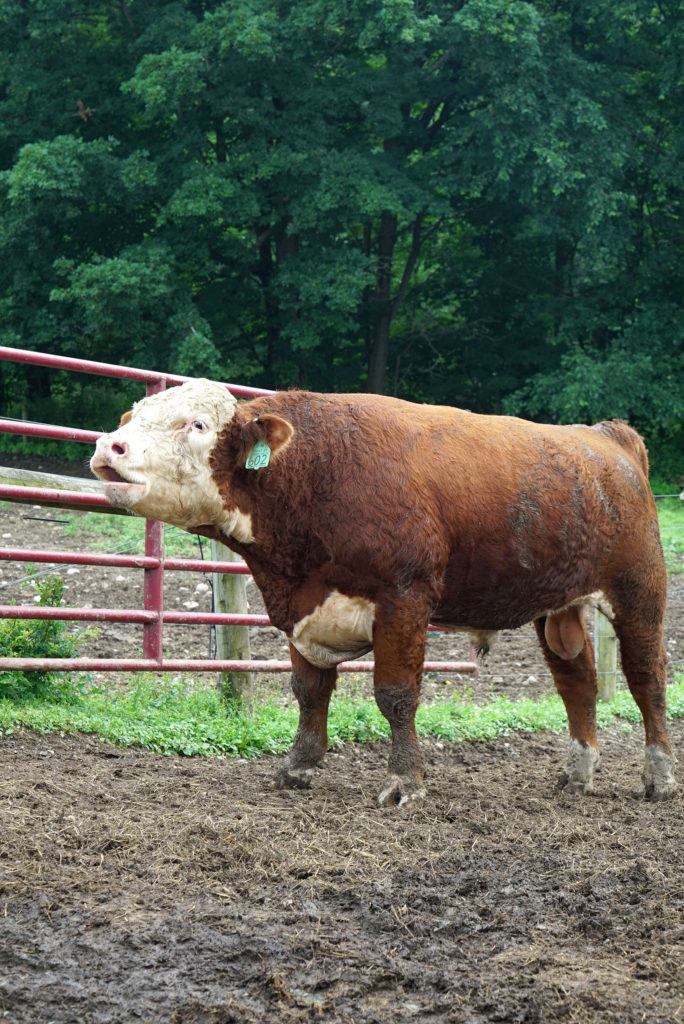
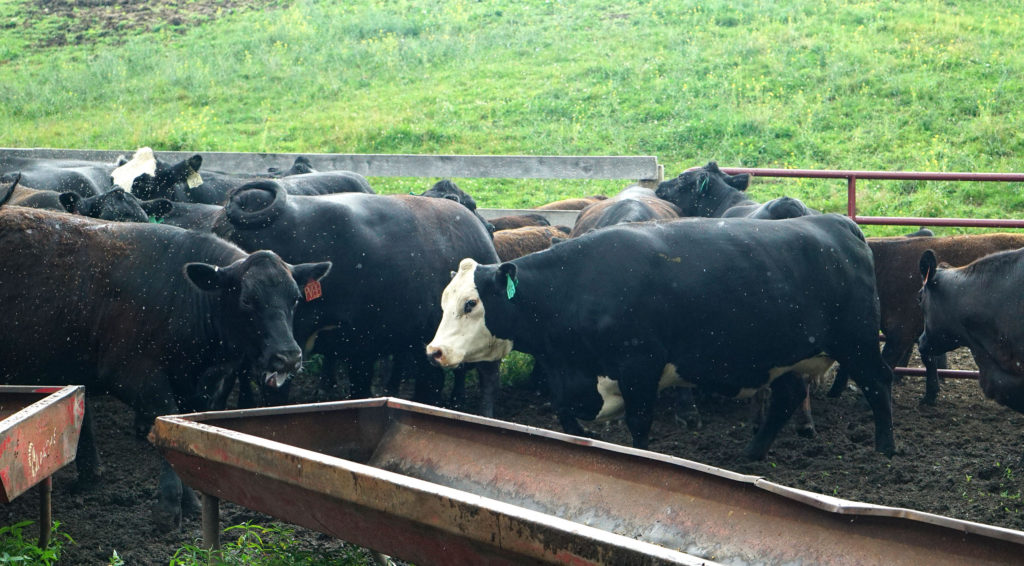
Most of Phil’s animals are Angus. He has a few Hereford and cross breeds in the mix, but people know him for his superior quality Angus. Hereford cattle are notorious for suffering from pink eye in the summer months, so Phil has endeavored to breed his Hereford to have different eye traits so that his are less prone to pink eye.
One of Phil’s Hereford bulls.A white face and black body is generally the expressed phenotype for a cross breed.
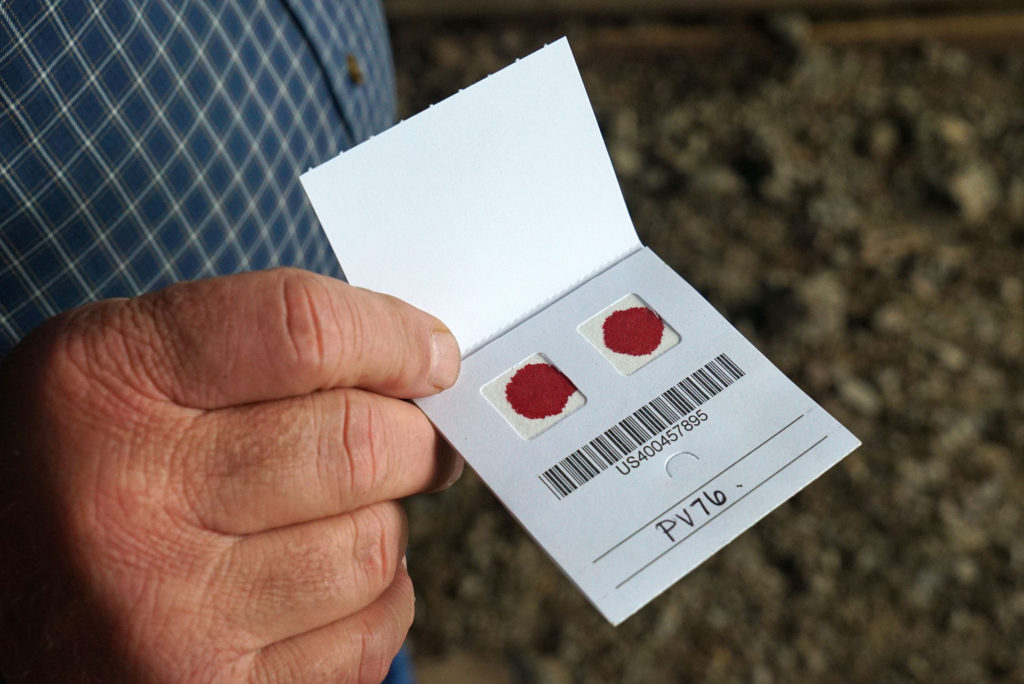
He has blood tests performed on every animal at a cost of about $50 a pop. Two drops of blood are taken and sent out to a lab.
Phil’s 126th college intern, Natalie, draws blood for DNA and genomic marker testing. Phil generally takes on three interns each year, and has been doing so since the 1980’s. They get hands-on experience that classrooms and books can’t provide, and these desirable internships often get filled by our nations best and brightest animal science and agriculture students from top schools all over the country. Phil recognizes passion and is a great judge of potential. He’s motivated many hardworking students and aided them in finding their direction. He even helped some obtain scholarships.
These tests assess 50,000 different genomic markers that express traits related to things like parentage, marbling, tenderness, udder structure, temperament, body build and residual feed intake, among others. In addition to testing for these traits, the DNA samples are also used for parent verification.
In the 1980’s and 1990’s, only 2,500 markers were tested. Now the tests assess up to 50,000.
“So what does the average day look like for Phil?”
Well, like most farms, Trowbridge is a family affair. Phil’s wife Annie does the books in the morning before heading to the hospital, where she’s a nurse on the surgical floor.
Phil’s son PJ is vital at the farm. He holds a degree in animal science from SUNY Cobleskill, and is the farm mechanic for all of the equipment.
Phil is usually up by 6:00 am, feeding and checking on the animals, and, thereafter, making hay in the Spring and Summer.
In Winter, he gets up an hour earlier to check on the cows. He recently installed video equipment in the barns so that he doesn’t always need to check on the cows several times overnight to see if they’re calving.
A barn with a blacktop corral where heifers are calved. A circular pen is nearby, where Phil photographs his bulls for bull sale pamphlets and for posting to his website.
Calving is done twice a year: In early winter (January, February and March), and in the Fall. Calving in January means he can cut nine months of the process in working with bulls. Phil is focused on both human and animal safety, and bulls can fight each other and tear stuff up. He likes to sell them off before they turn two years old, because the older they get, the harder they are to manage.
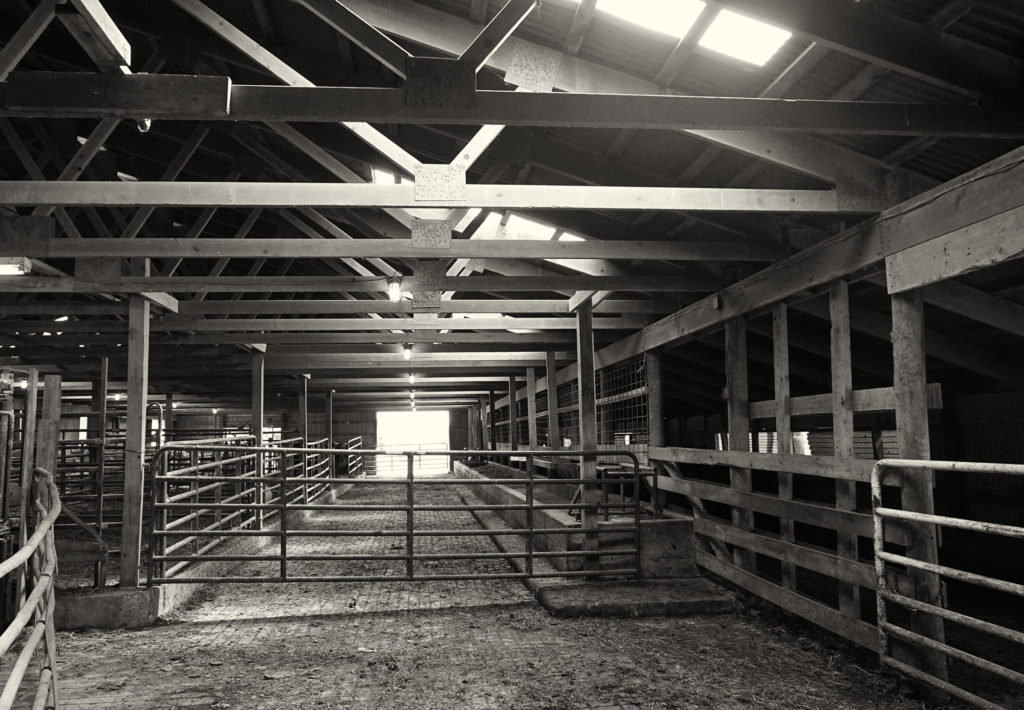
The inside of a calving barn that also houses donor cows, adjacent to Phil’s lab. Phil uses red mulch here that he gets from local farmers. Red mulch is more absorbent and comfortable for his calves. Phil barters for it in exchange for manure that he scrapes off his blacktop corrals.
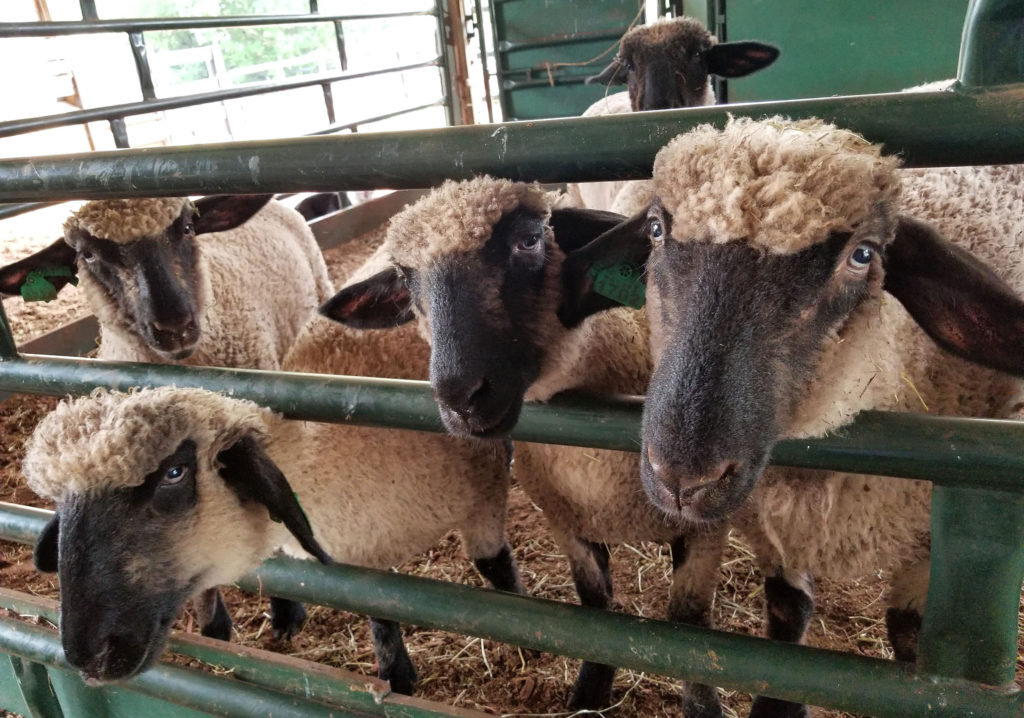
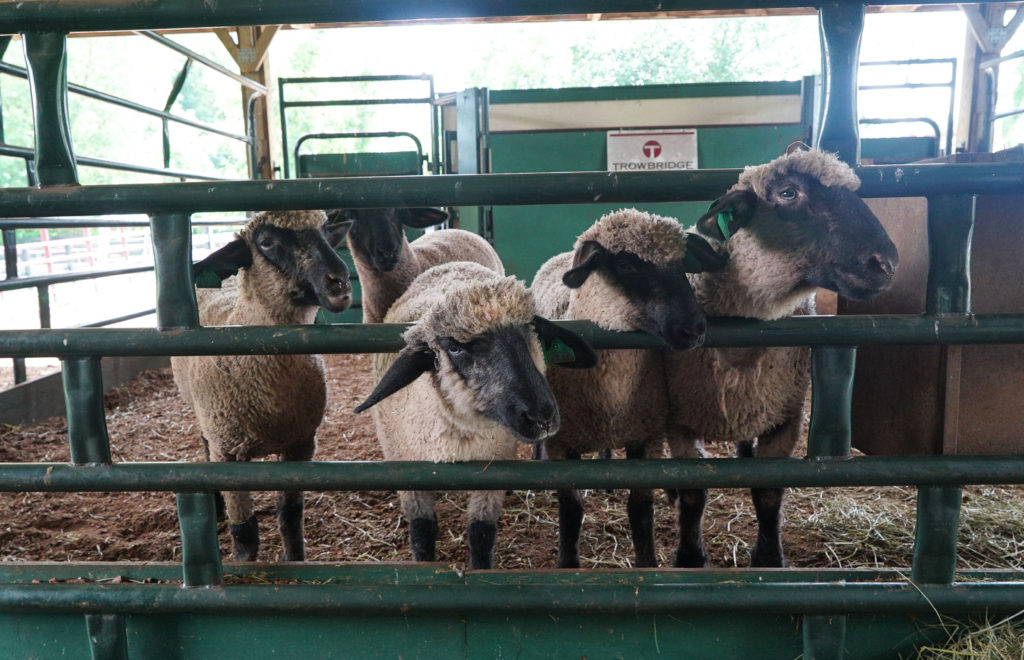
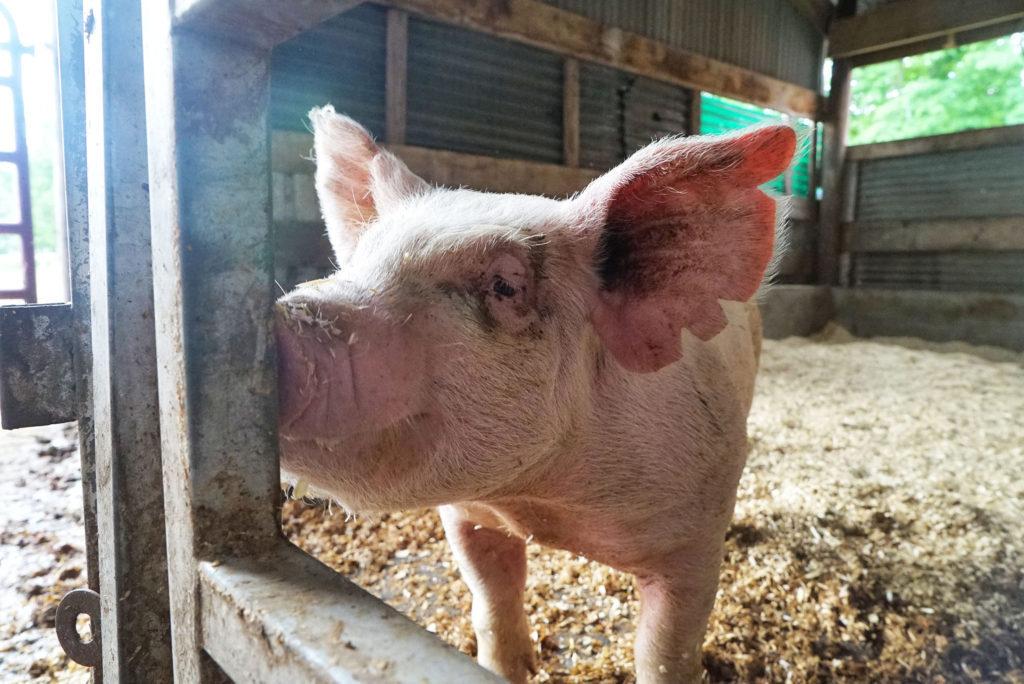
Right now Phil is playing host to 4H kids for the Summer. They’re learning about cattle, hogs and lambs. The kids pick the animals themselves; they’re purchased on loan and then sold in September.
The kids learn how to take care of the animals, they keep track of feed and vaccinations with spreadsheets, and they show the animals at the county fair.
Many cattlemen work second jobs and perform odd tasks like this in their community. In addition to hosting 4H kids, Phil was the president of the NY Beef Council (which sponsored my tour here), he helped develop the new Veterinary Feed Directive laws that just went into effect, he runs a college internship program, and he goes on speaking tours for the industry. His son PJ has a tow truck gig at night, and he does some construction work for a friend in Albany when needed.
As if all of that isn’t enough, the Trowbridges also have to be vigilant of trespassing. A few months back, someone broke into the donor cow and calf barn behind the lab, took a bunch of video, and posted it online. Fortunately the guerrilla “coverage” was very positive in nature, but someone could have gotten hurt. And now sheriffs have been coming around, warning Phil that kids are stealing some of the ice packs used in shipping to make meth. Crazy.
Needless to say, no one is ever bored at Trowbridge Farms. But no one is resting on their laurels either. Phil wants to pass the farm on to his children, and beyond to his grandchildren.
He purchased his first barn there 25 years ago when it was a brush pile. He built it up and installed all the fencing little by little at night after spending his day working at a nearby farm. Since then his operation has become scientifically cutting edge and well respected in the community. Articles have been written in trade magazines attesting to Trowbridge’s advances in the field.
Not only is Phil’s farm economically productive and a benefit to both the industry and the community, but Phil is ecologically responsible and an excellent steward of the land.
Phil builds lasting relationships with everyone he encounters on a regular basis. I had the pleasure of hearing a message that someone left on Phil’s voicemail, thanking him for all he does in the area. The people of Ghent respect what he does, and he respects the people of Ghent. He even throws a hot dog and hamburger cookout for the locals each year that draws hundreds.
When Phil was driving me around the community, he pointed out some of the other business that came and went. Old chicken farms, welding shops, mechanic shops, well drillers, orchards, artist warehouse studios, craft breweries… And even some newcomers like grass finished, no antibiotics beef producers.
Some of these folks will allow their animals to die because they refuse to treat their cattle with antibiotics. Phil understands and respects the “no antibiotics” niche markets that have developed, but he’s also a big believer in medicine and cares for the animals too much to let one die when an illness is perfectly treatable.
His words: “If that doesn’t bother you, then there’s something not right.” In my opinion, this kind of attitude is absolutely necessary in order to work with animals to any measure of lasting success. Phil is by no means one of a kind within the beef industry when it comes to this outlook on animals, but that’s no slight to him. His work is demonstrative of how great the practitioners of this business are at its core. He’s exemplary, and exemplary is common in this business. That’s a good thing.
But Phil’s love for the animals he works with is instantly revealed to all the moment he encounters them. They’re calm in his presence, and very trusting of him and other people – even strangers like me. I’ve never seen anything quite like it.
The Trowbridge family name is celebrating 60 years in the cattle business this year. I’m very happy to have met Phil and his family, and I’m honored to put a spotlight on them for my readers.
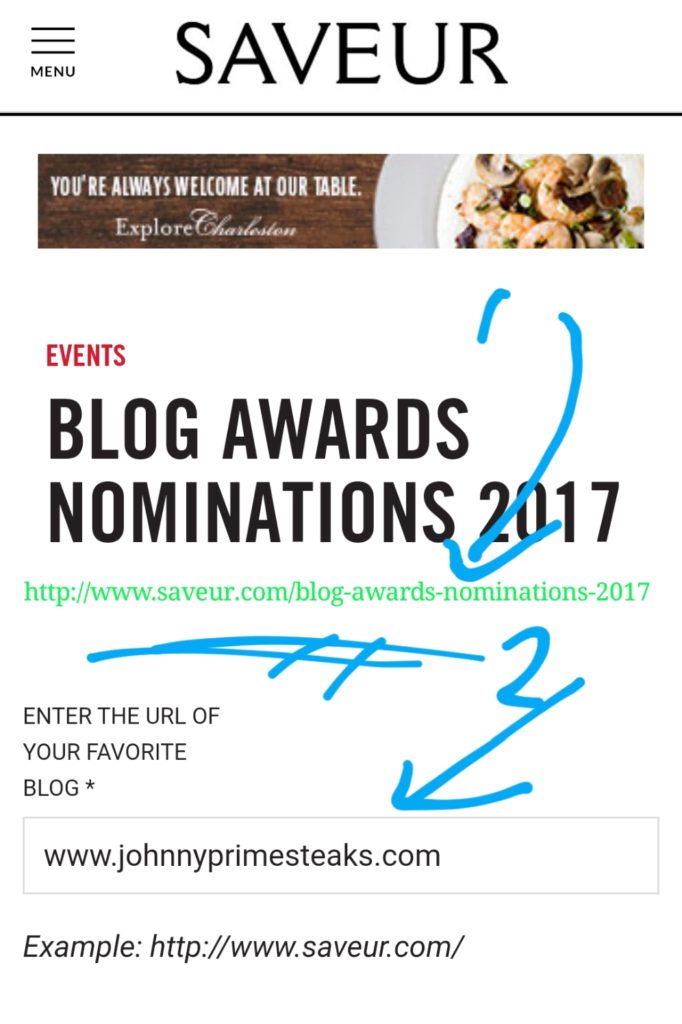
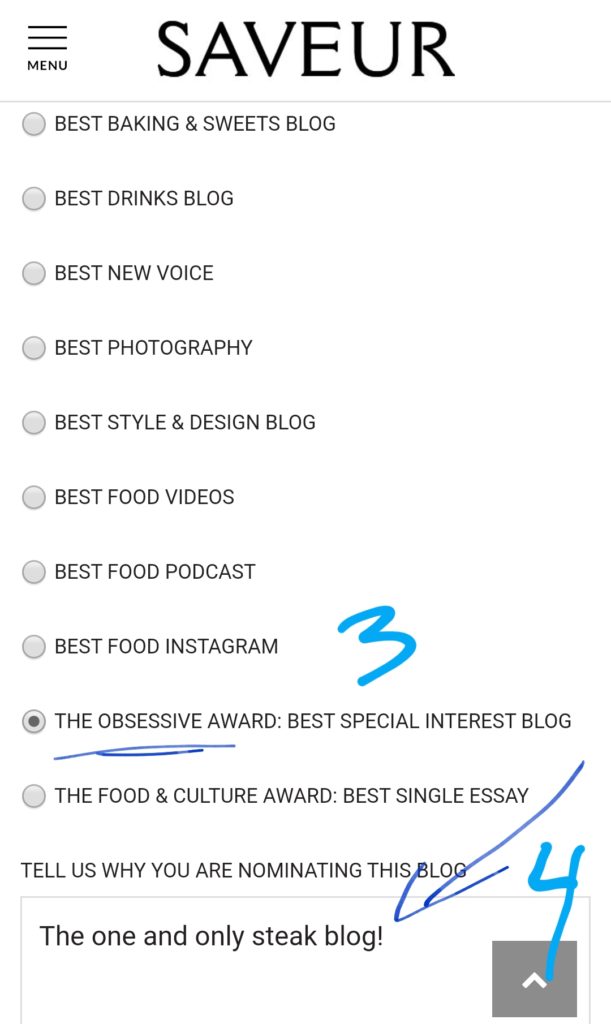
Enter www.johnnyprimesteaks.com into the entry field, and select the OBSESSIVE category, because, well, I obsess over steak. Then add something witty into the reason field.
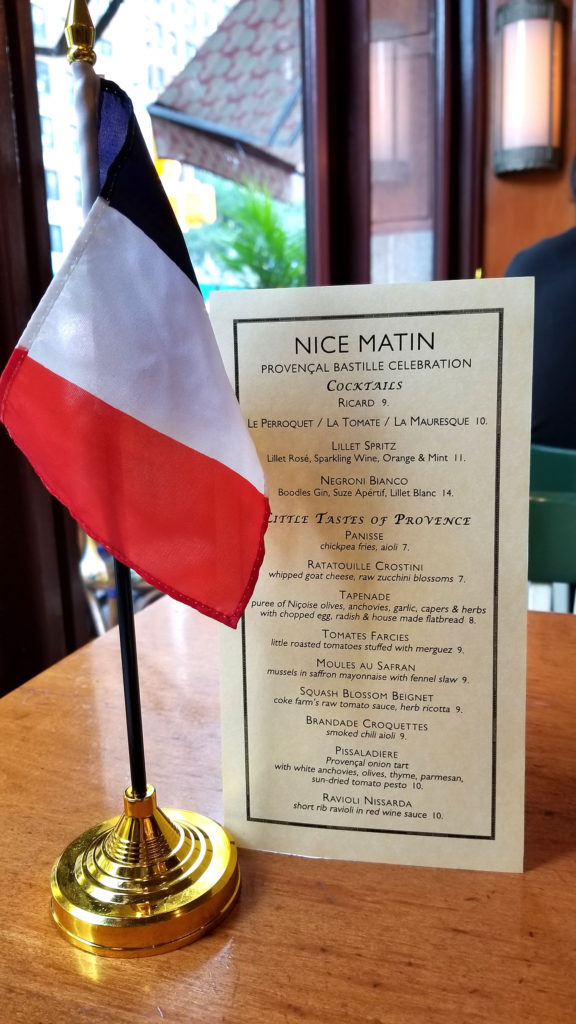
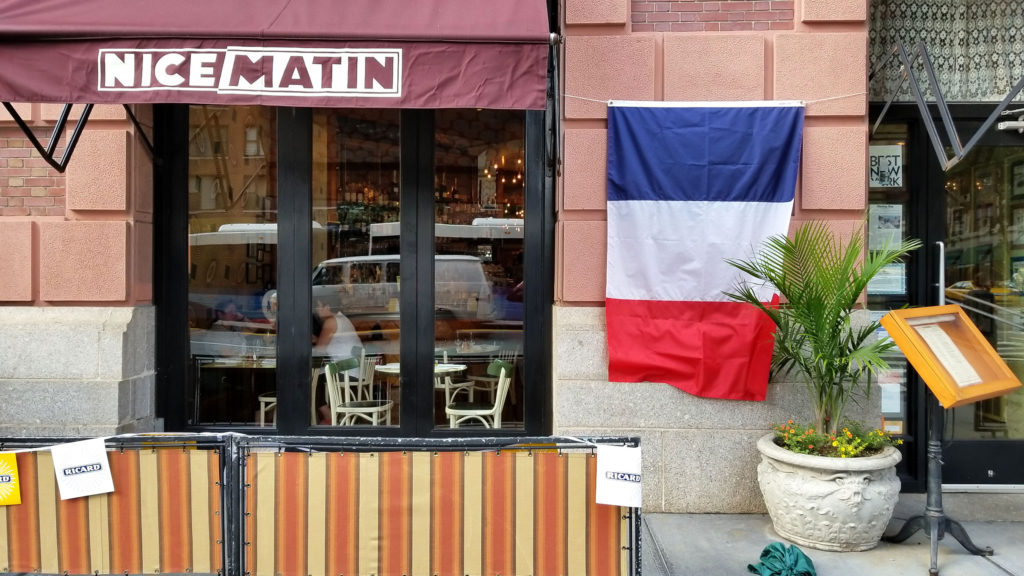
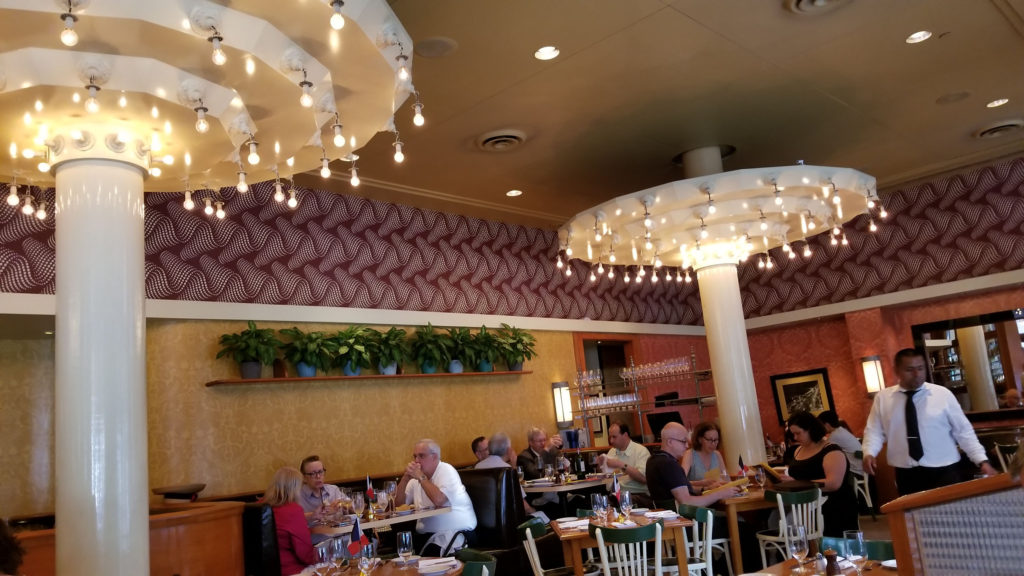
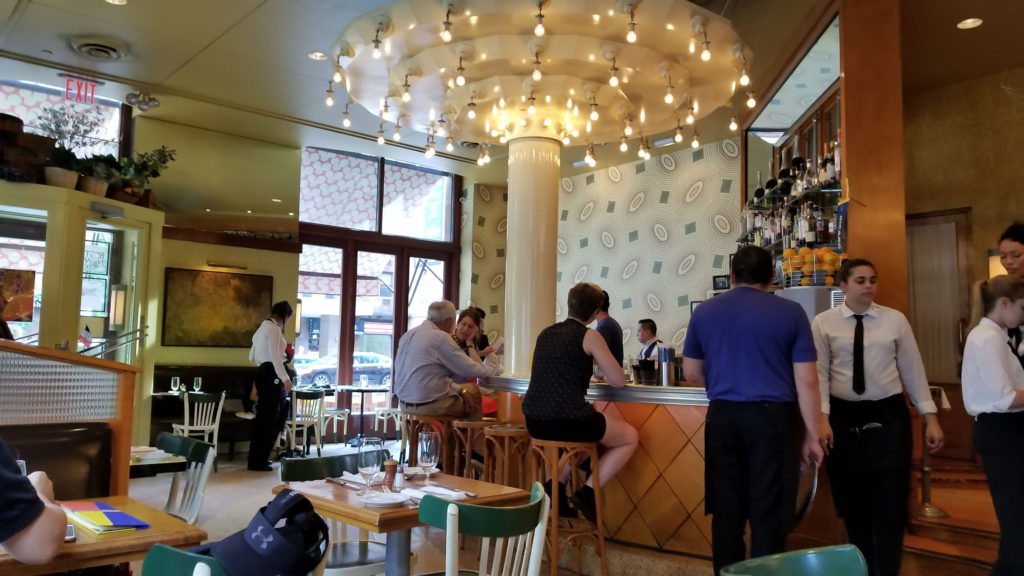
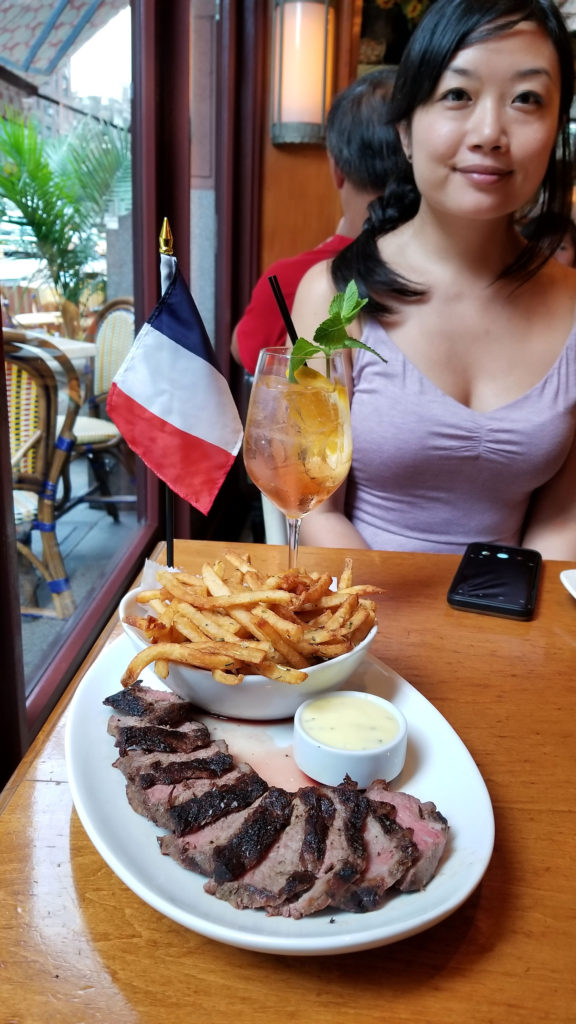
My wife and I were recently invited into Nice Matin to help promote their Provencal menu in their celebration of Bastille Day.
I’ll say this: Nice Matin is the best French joint in the restaurant group’s ownership among other French joints (L,Express, Cafe D’Alsace, and Le Monde).
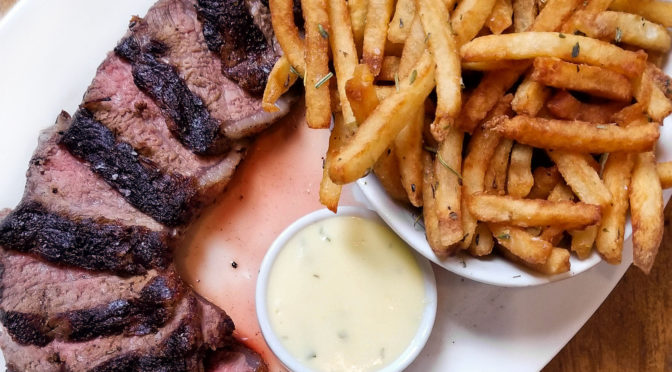
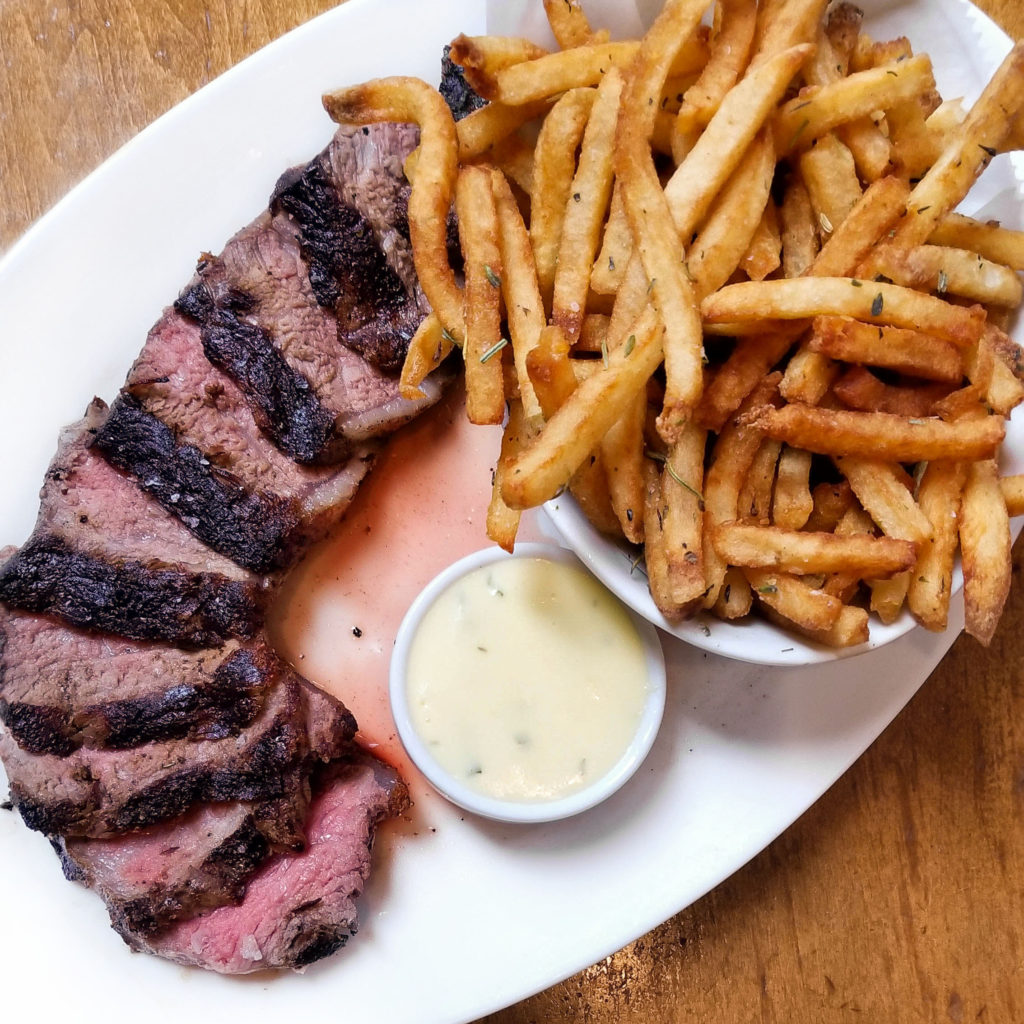
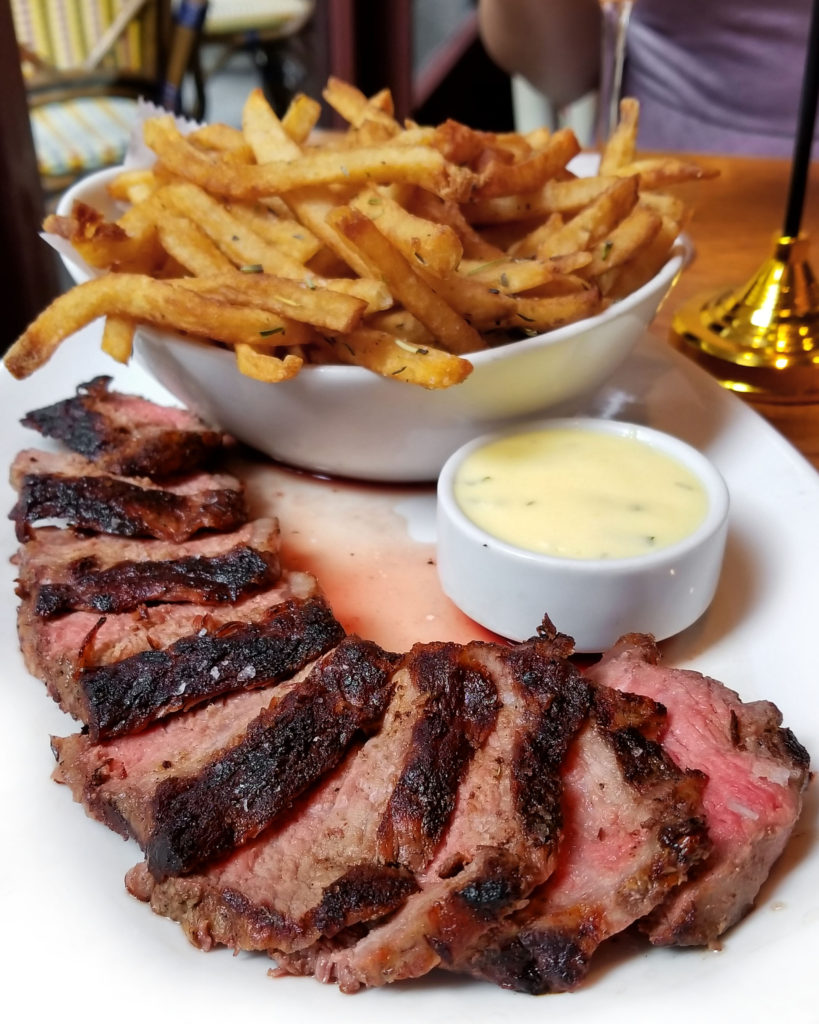
We tried a few small bites and drinks from that menu, and, of course, the strip steak frites from the regular menu.
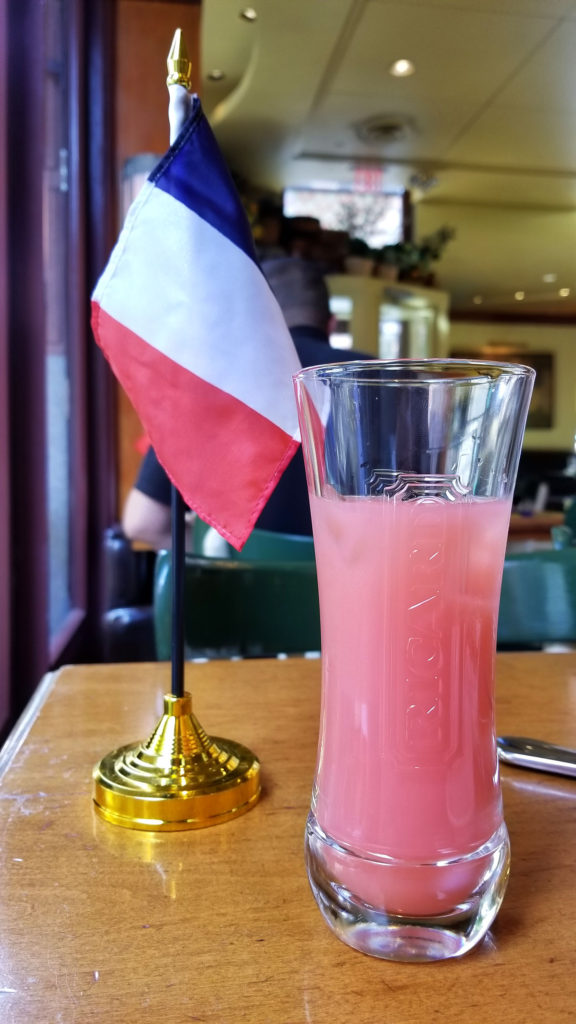
First, we started with some Ricard, which was sponsoring the evening’s French kick-off night. Some diners win goodie bags, and you can enter for a chance to win a trip to France.
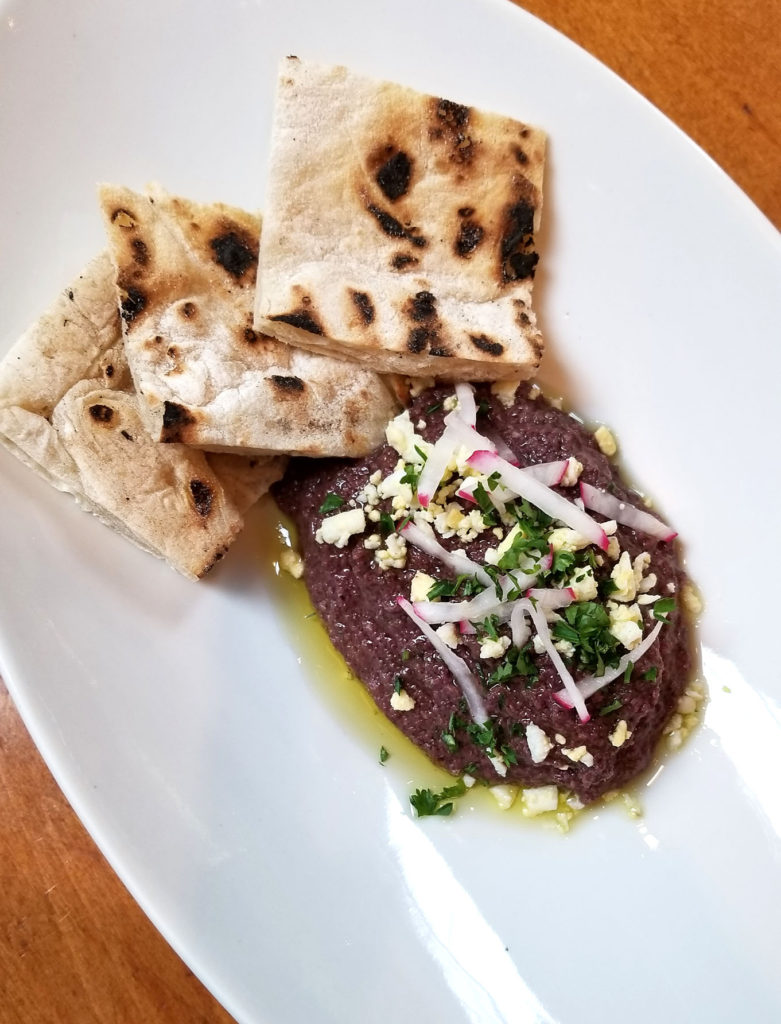
Tapenade:
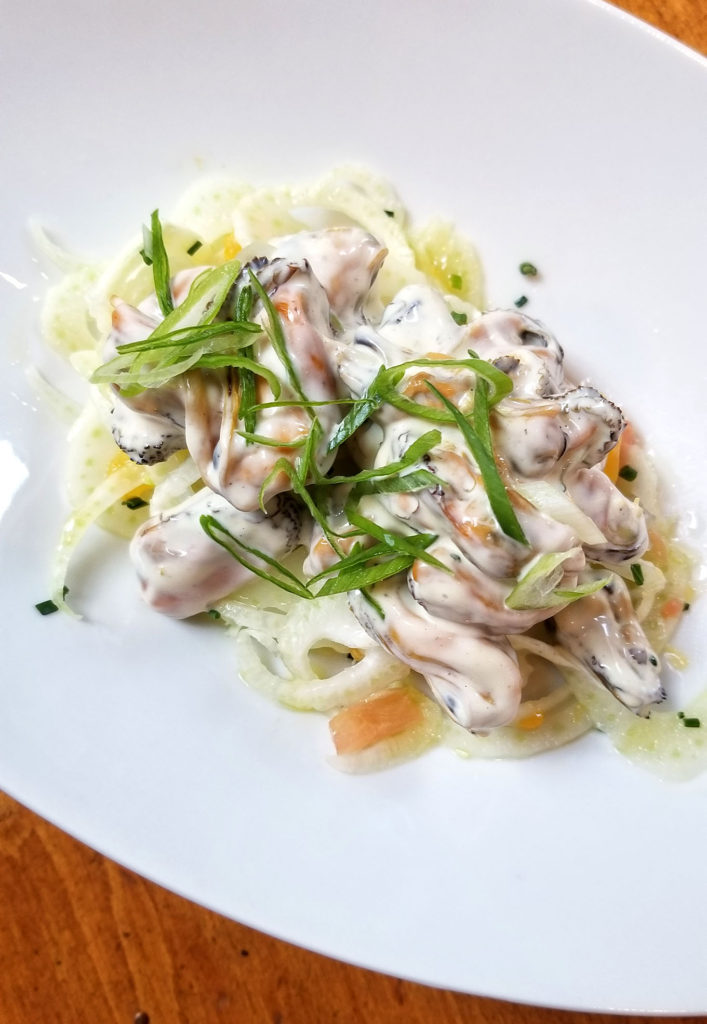
Mussels:
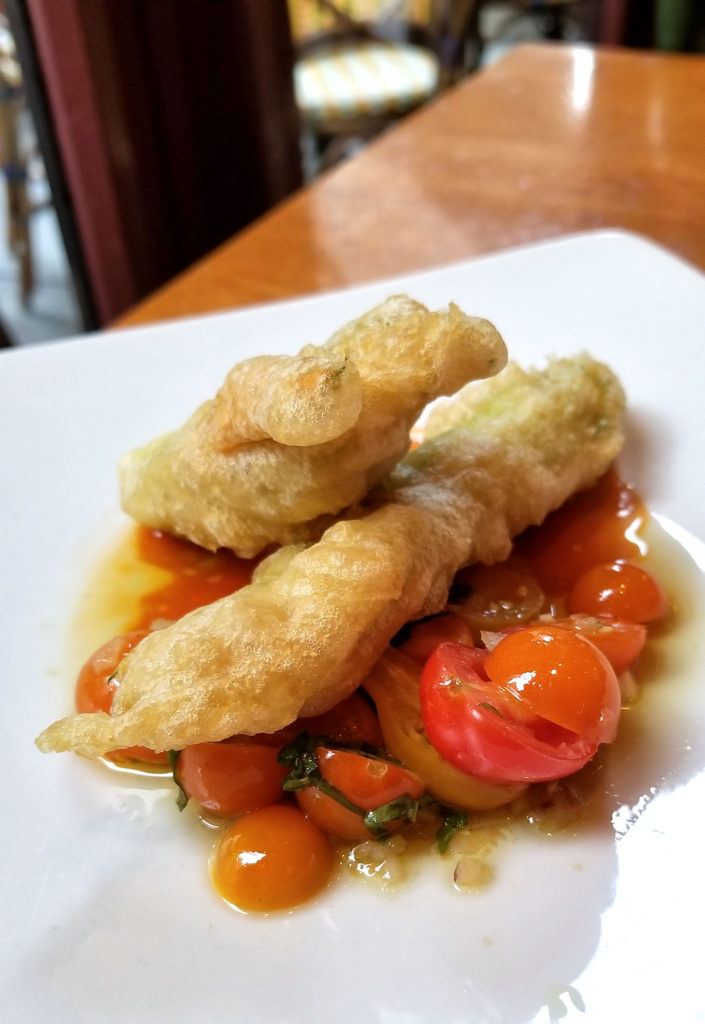
Squash Blossom Beignets:
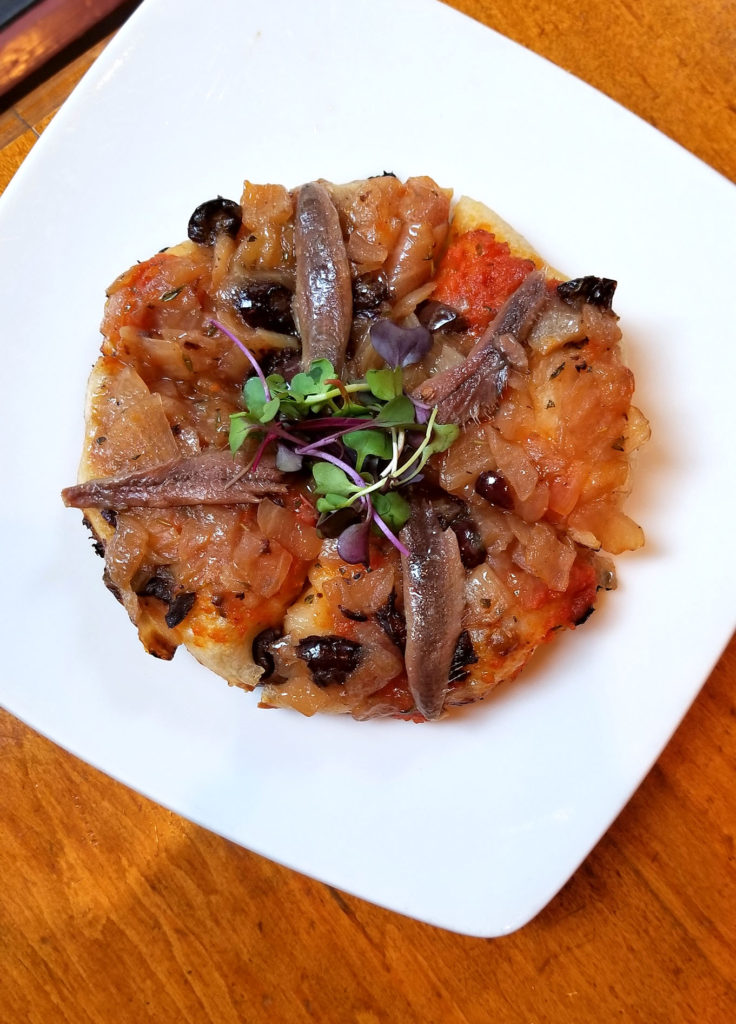
Onion Tart:
All of those were on the special menu, and all were really good. I think the favorites, for me, were the onion tart and the tapenade, but the squash blossoms were really light and tasty and the mussels were really nice.
The steak was a solid 8/10. The meat was super tender, and I really only took points off because the cook was a little bit over what I asked (medium rare).
The fries were perfectly cooked, but the addition of the Provencal herbs (like lavender) was a little bit aggressive.
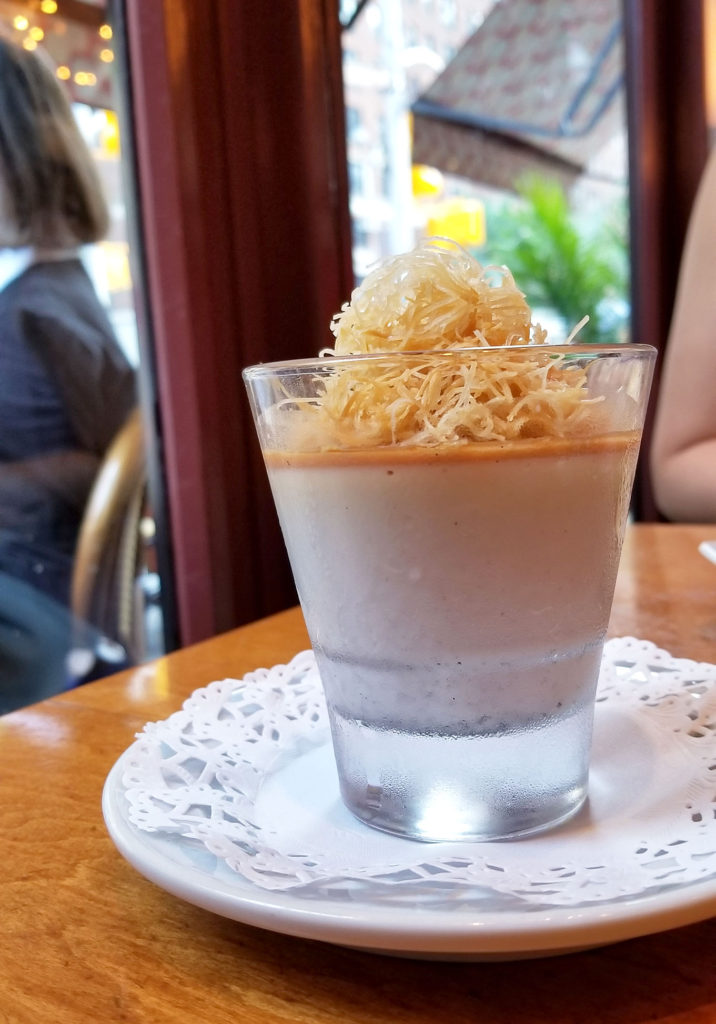
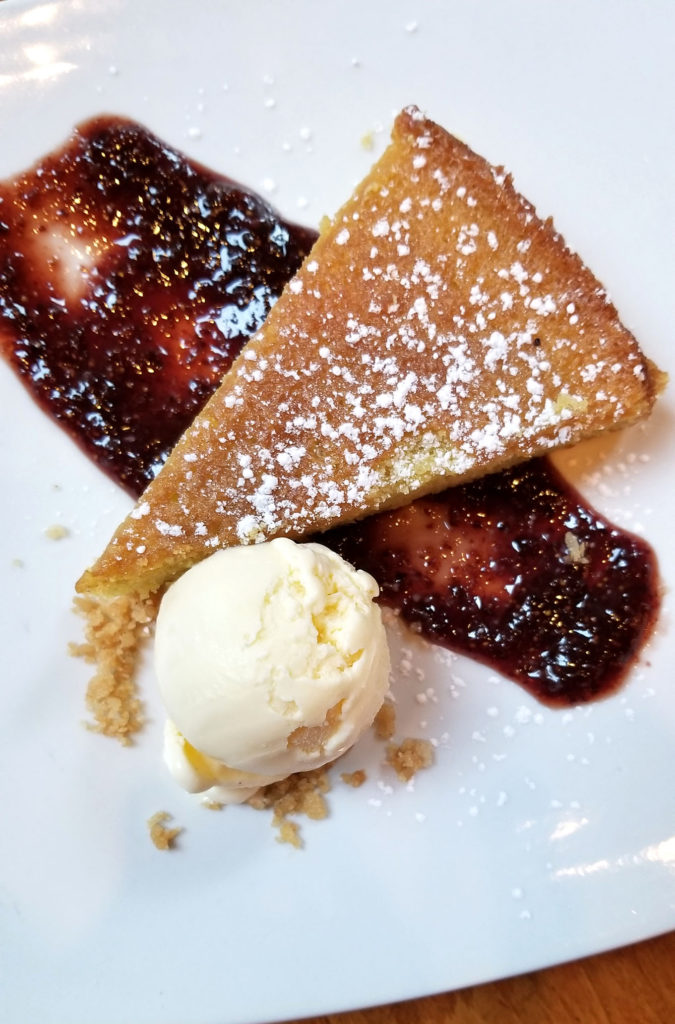
For dessert we tried a sesame panna cotta and an olive oil cake. Both were really great, both flavor-wise and texture-wise.
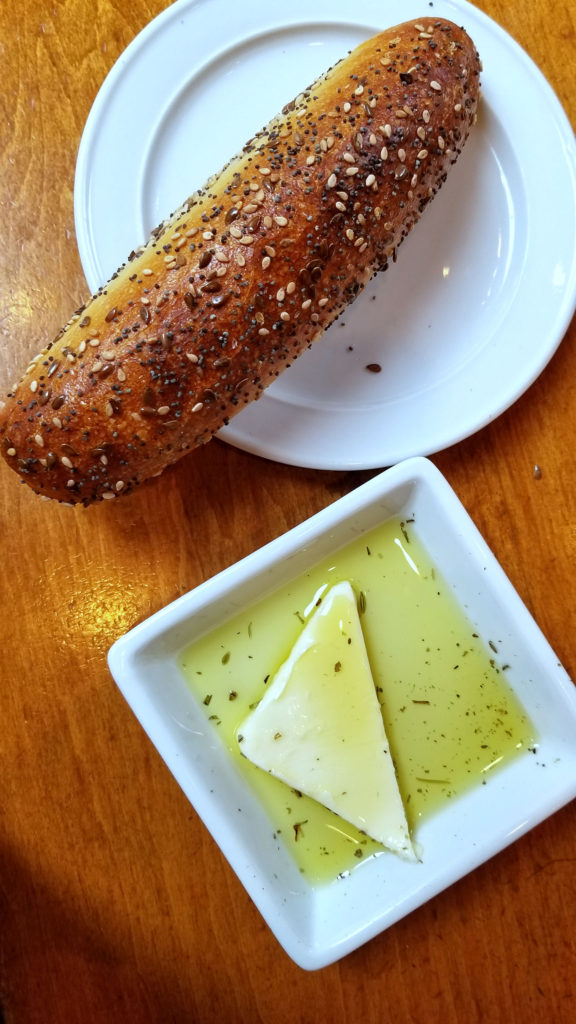
Also, really nice bread here. Warm and tasty.
I definitely recommend this joint for anyone looking for some good classic French fare in the neighborhood.
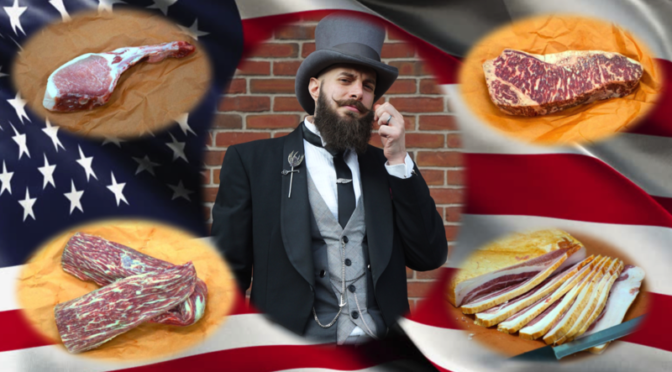
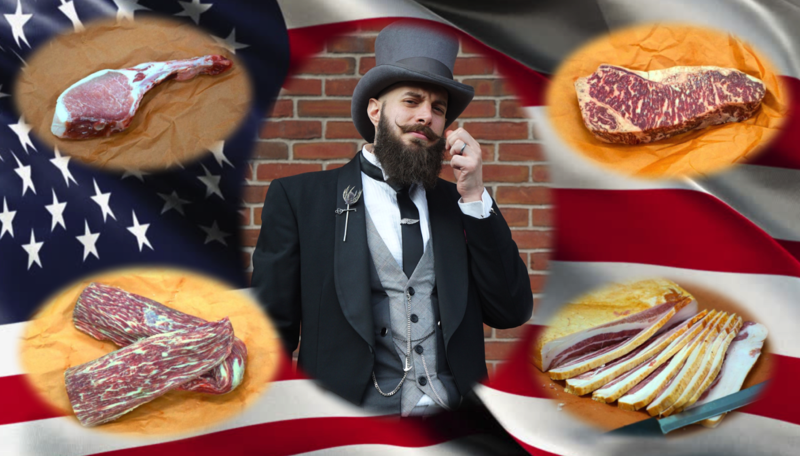
The American Dream is a package I put together for the 4th of July weekend, but since it was so popular, I decided to keep it available for a bit.
What You Get
1) Two dry aged Duroc pork chops, weighing in at 20-24 oz each;
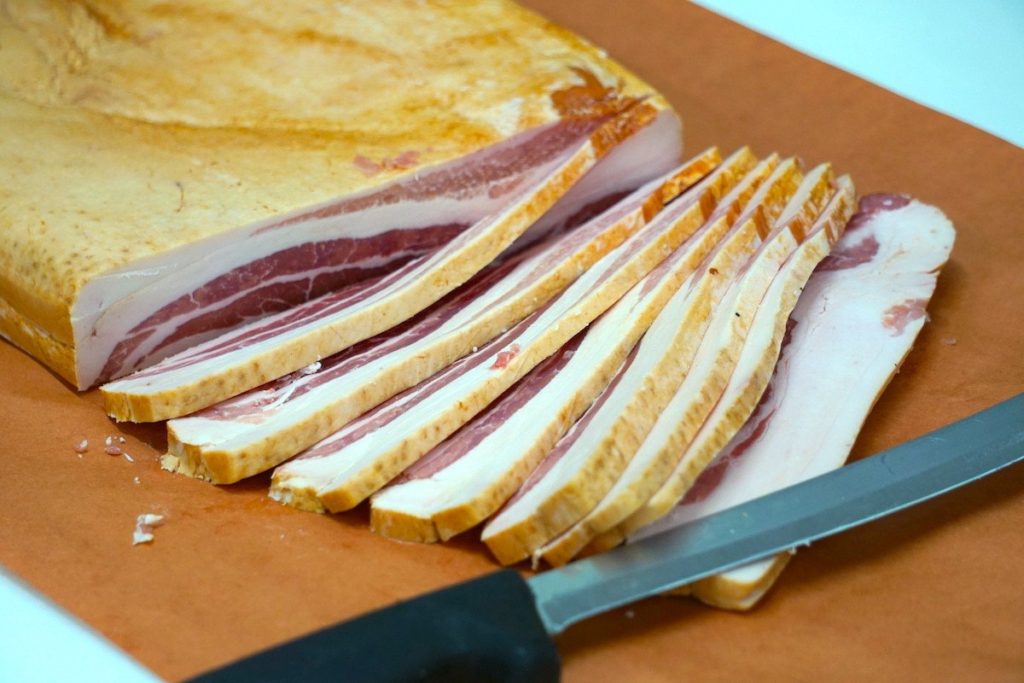
2) A pound of thick cut bacon;
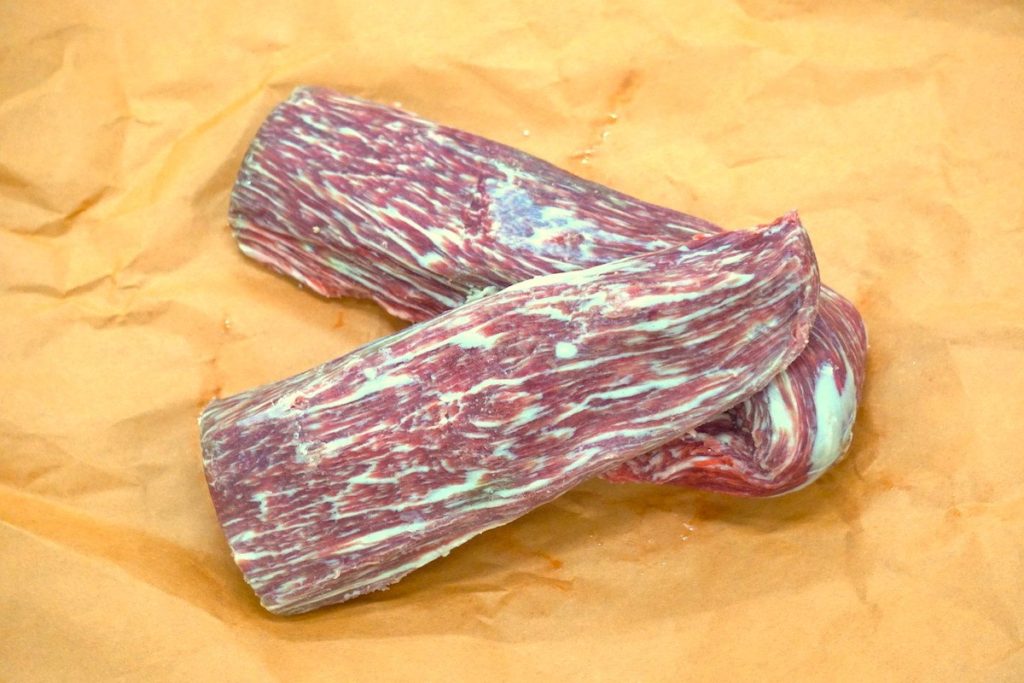
3) A pound of dry aged tenderloin tails;
4) And a 16oz Wagyu New York strip (my favorite steak of all time).
The Price Tag
Just $125 for about 88-96 ounces of delicious, high quality meat. I’ve marked this package down from $165, so get on it while I’m still feeling patriotic!
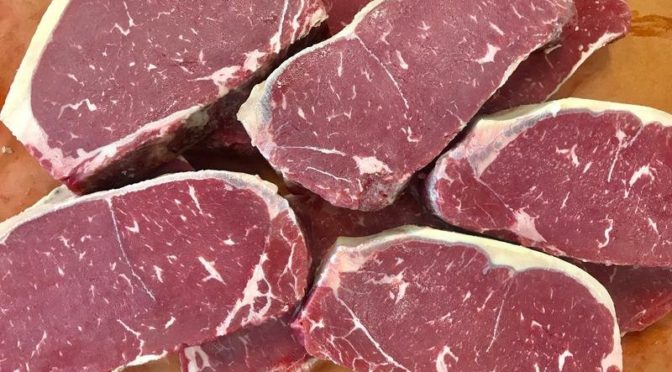
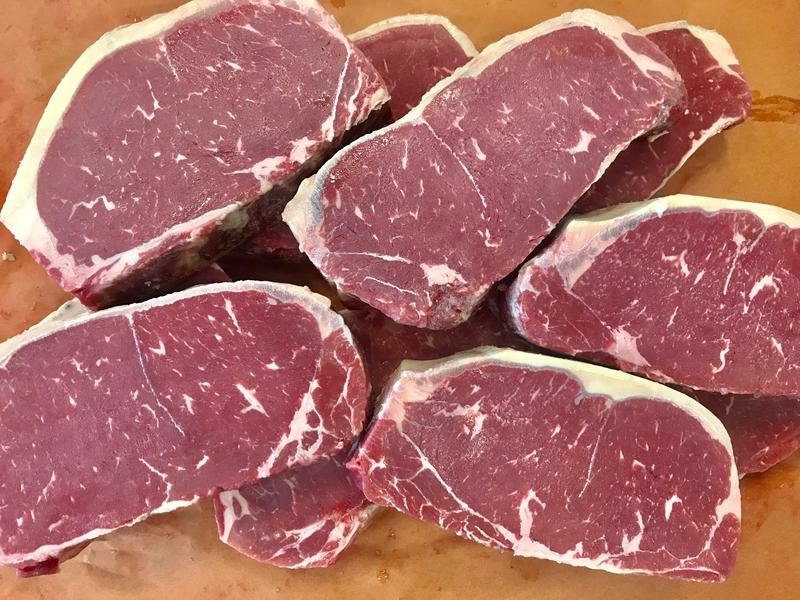
Piedmontese is a breed of cattle that is originally from northwest Italy. Their short, double muscle fiber structure makes for incredibly tender steaks even without tons of marbled fat.
I recommend that you don’t go past medium rare on these: leaner meats have less fat, which means they can dry out if you cook them too much.
They’re currently very affordable, as they’re still sort of a hidden gem in the meat business.
I’ve got them priced at 20% off: 10 lbs is just $159.99 (regularly $199.99)!!! That’s 10 glorious one pound steaks to fill your grill this weekend. Get on it!
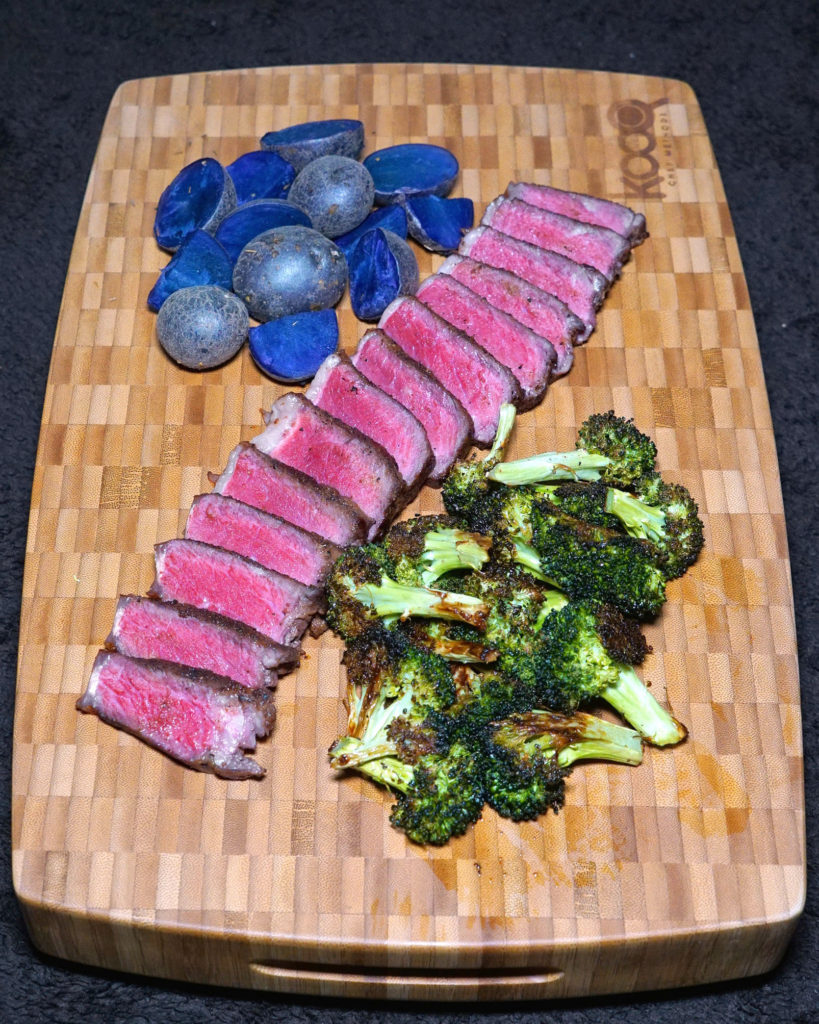
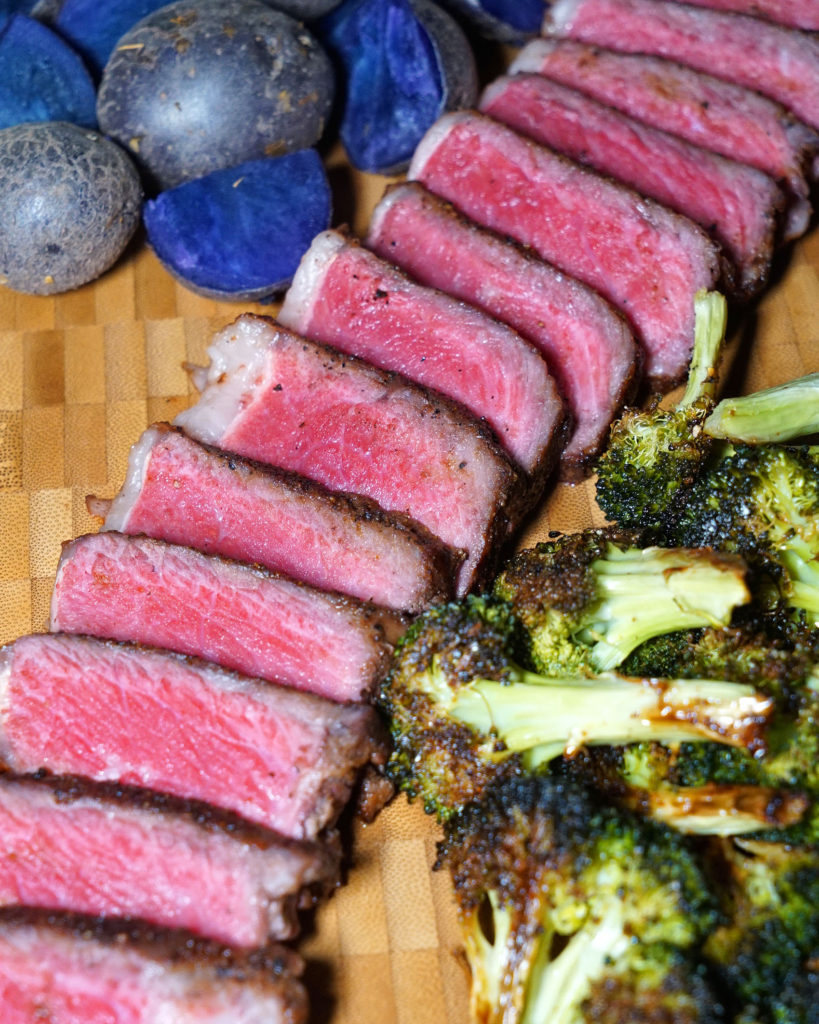
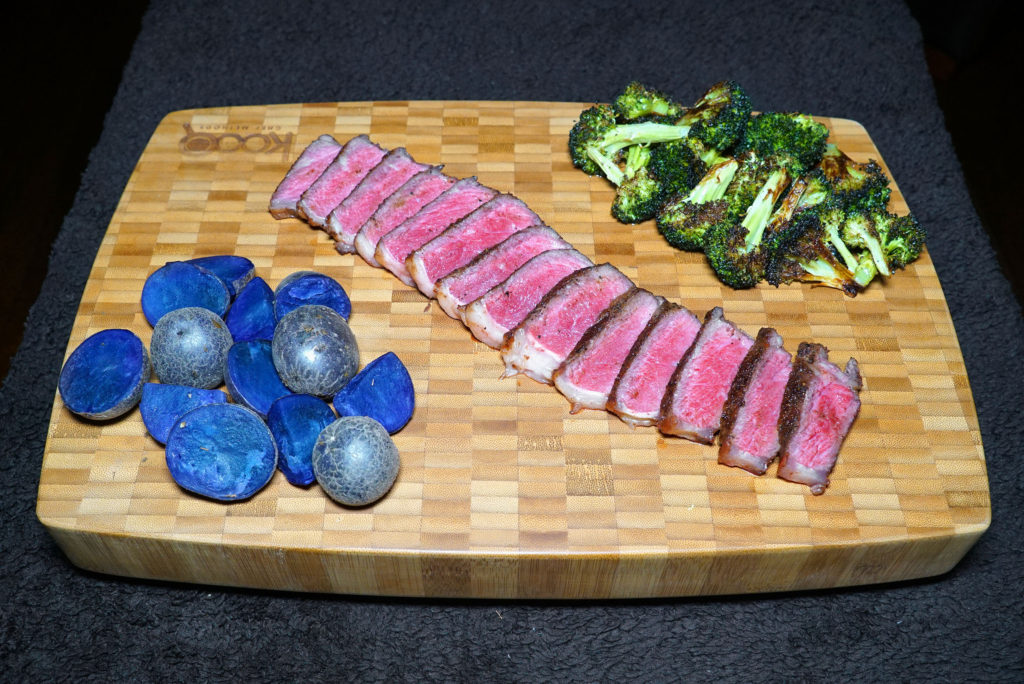
I cooked one up at home yesterday and these babies are incredibly tender and delicious. They’re lean, juicy, and packed with a really nice but mild flavor. For the one pounders, you just need some salt, pepper and garlic powder for the seasoning. Then sear in a hot pan with butter for about three and a half minutes per side. Let rest, and then slice.